Introduction to Digital Display Photoelectric Sensors
In the landscape of industrial automation, the demand for precise, reliable, and user-friendly sensing technology is paramount. Digital display photoelectric sensors have emerged as a sophisticated solution, integrating advanced optical detection with intuitive digital interfaces. Unlike their analog predecessors, these sensors provide real-time, numerical feedback on critical parameters such as sensing distance, signal strength, and operational status. This evolution represents a significant leap forward, transforming sensors from simple detection devices into intelligent components of a data-driven manufacturing environment. The core principle remains the emission of a light beam—be it visible red, laser, or infrared—and the detection of changes in the received light caused by the presence, absence, or characteristics of a target object.
Core Components and Operational Principles
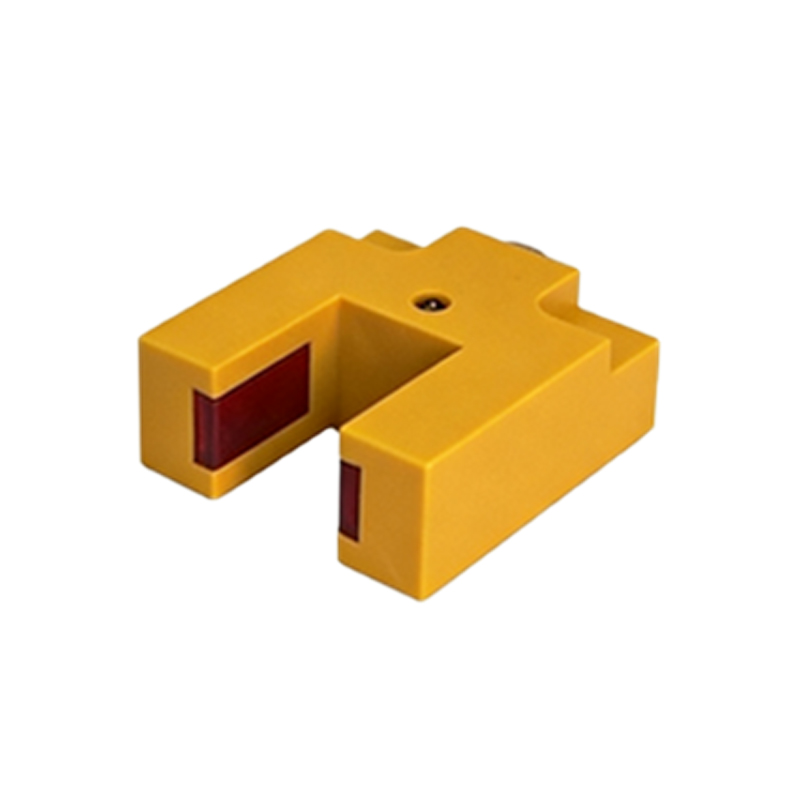
A digital display photoelectric sensor comprises several key components working in unison. The heart of the device is the optical system, consisting of an emitter (LED or laser diode) and a receiver (phototransistor or photodiode). The emitted light is modulated at a specific frequency to enhance immunity to ambient light interference. The received signal is processed by a high-speed microprocessor, which analyzes the light intensity. The defining feature is the integrated digital display, typically an LCD or OLED screen. This display presents quantifiable data, such as the received light intensity as a percentage, the set threshold values, and diagnostic messages. Common operating modes include through-beam, where emitter and receiver are separate units; retro-reflective, using a reflector; and diffuse reflective, where the sensor detects light bounced directly off the target.
Key Advantages of the Digital Interface
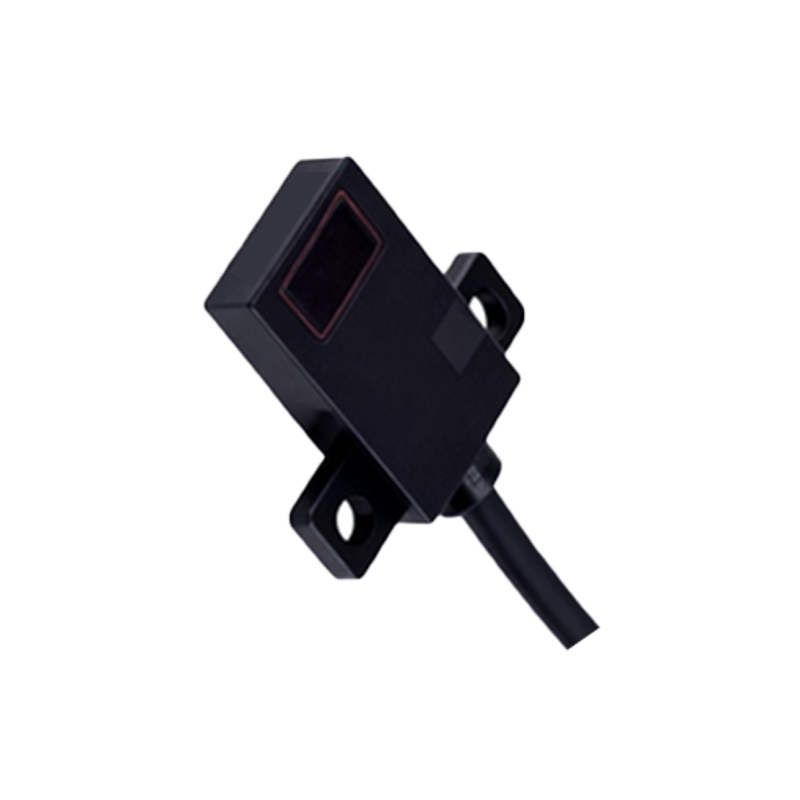
The digital display offers transformative advantages for setup, maintenance, and optimization. First, it enables precise and rapid commissioning. Technicians can visually confirm the alignment and signal strength during installation, drastically reducing setup time and errors. The ability to see exact numerical values for the received light allows for optimal positioning and threshold setting, ensuring maximum detection reliability even for challenging targets like transparent bottles or dark-colored objects. Second, it facilitates advanced diagnostics. Error codes, stability indicators, and trend data help predict maintenance needs and troubleshoot issues proactively, minimizing unplanned downtime. Finally, the interface often allows for easy configuration of functions like timers, counters, and logic operations without the need for external programming devices.
Applications Across Diverse Industries
The versatility of digital display photoelectric sensors makes them indispensable across numerous sectors. In packaging and material handling, they are used for precise object counting, label detection, and fill-level control, where the display ensures consistent performance despite variations in packaging materials. In the automotive industry, they verify the presence and correct positioning of components on assembly lines. In electronics manufacturing, their high precision is critical for detecting miniature components and verifying placement on PCBs. Furthermore, in food and beverage processing, sensors with hygienic designs and clear displays monitor production flow and detect packaging seals, with the digital readout providing auditable process data for quality assurance.
Selection Criteria and Installation Best Practices
Selecting the appropriate sensor requires careful consideration of several factors. The sensing range must be suitable for the application, with laser types offering long-range precision and diffuse types being ideal for shorter distances. The type of light source is crucial; red light is common, but laser provides a precise spot for small objects, and infrared is used for low-visibility environments. Environmental conditions such as dust, moisture, temperature extremes, and washdown requirements dictate the needed ingress protection (IP) rating. For installation, best practices include securing stable mounting, ensuring the optical path is free of obstructions and contaminants, and using the digital display to fine-tune the sensitivity after installation. Proper alignment is verified when the display shows a stable, strong signal from the target.
Future Trends and Integration with Industry 4.0
The future of digital display photoelectric sensors is tightly interwoven with the progression of Industry 4.0 and the Industrial Internet of Things (IIoT). Modern sensors are increasingly equipped with industrial communication protocols like IO-Link. This transforms the digital display from a local interface into a gateway for bidirectional data exchange. Through IO-Link, parameters can be set remotely, and detailed process data—far beyond a simple on/off signal—can be transmitted to higher-level control systems for analytics and optimization. This enables predictive maintenance, centralized parameter management, and seamless integration into digital twin models. The sensor becomes not just a detector, but a smart node in a connected, intelligent factory ecosystem, providing actionable insights for continuous improvement.