Understanding Proximity Sensor Failure Modes
A broken proximity sensor in an industrial setting is not merely a component failure; it represents a critical disruption in automated control systems. These non-contact devices, crucial for detecting the presence or absence of objects, can fail in several ways. A complete physical break in the sensor housing or sensing face is obvious, but internal failures are more common. These include damaged oscillator coils in inductive sensors, faulty transistor outputs, cracked ferrite cores, or compromised internal circuitry from voltage spikes or moisture ingress. The breakage might be physical, due to impact or vibration, or electrical, resulting from overload, incorrect wiring, or environmental stress. Understanding that "broken" encompasses both catastrophic physical damage and internal electronic failure is the first step in diagnosing the resulting cascade of issues.
Immediate System Impacts and Production Halts
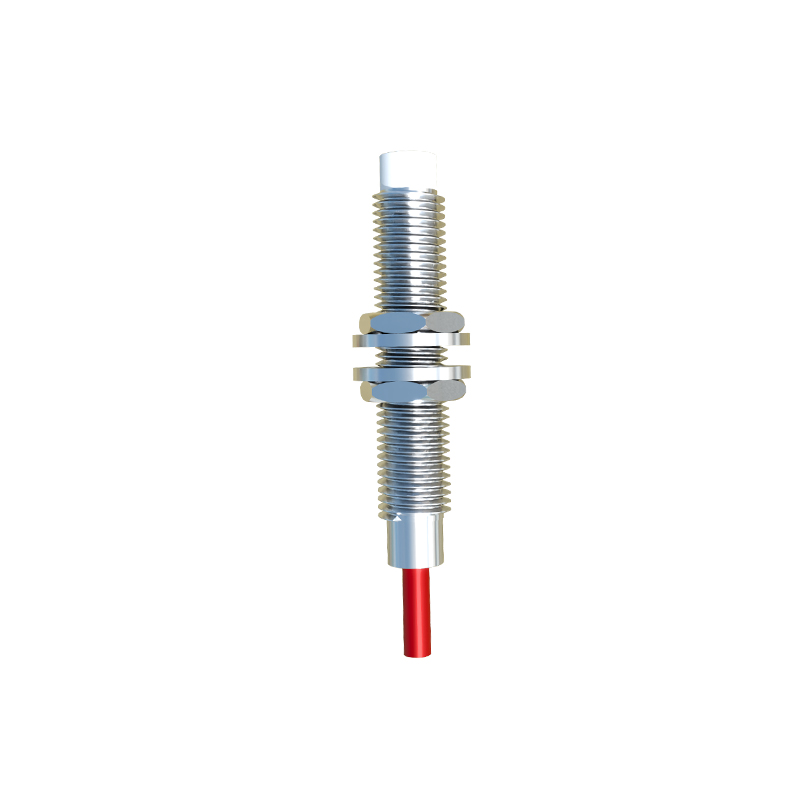
The most direct consequence of a broken proximity sensor is the loss of its primary function: accurate detection. An inductive sensor that fails may stop detecting metallic targets entirely, or it may provide a constant "on" or "off" signal regardless of target position. This false signal disrupts the logic of the Programmable Logic Controller (PLC). For instance, a sensor monitoring a robotic arm's position may fail to signal that the arm has retracted, preventing the next cycle from starting and causing a full production line stoppage. In packaging machinery, a broken sensor might not detect a product on a conveyor, leading to missed operations like filling or labeling. The immediate effect is unplanned downtime, loss of production throughput, and potential bottlenecks that affect upstream and downstream processes.
Safety Risks and Machine Protection Compromises
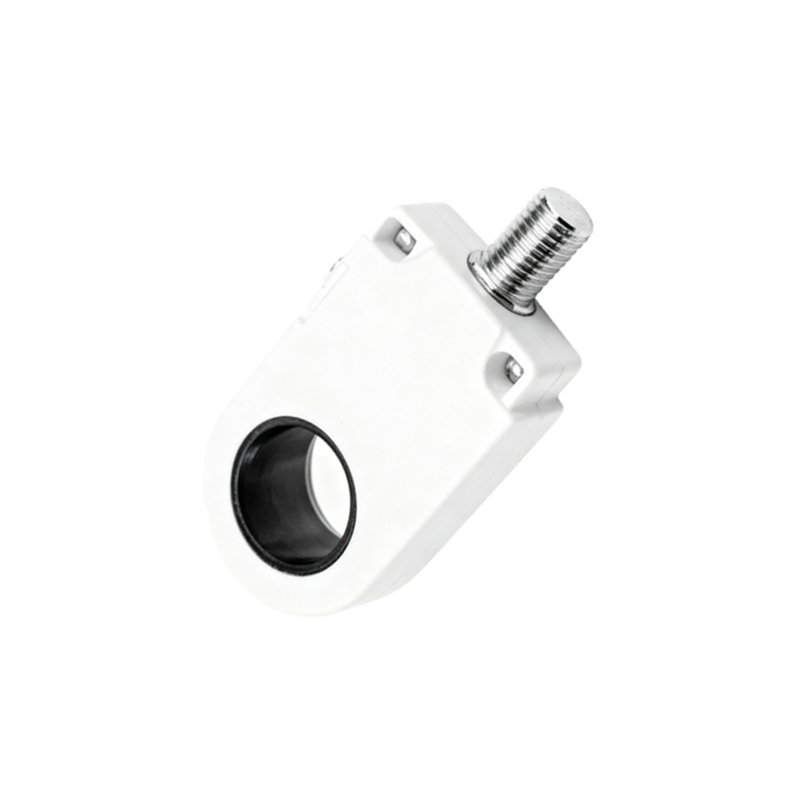
Beyond productivity, a broken proximity sensor poses significant safety and machine integrity risks. Many sensors are integral to safety interlocks and machine guarding systems. A broken limit sensor on a safety door, for example, could falsely indicate the door is closed, allowing machinery to operate while an operator is inside a hazardous zone. In automated guided vehicle (AGV) systems, broken object detection sensors can lead to collisions. For machine protection, sensors that monitor coolant flow, bearing position, or door closure prevent catastrophic damage. A failure here can result in severe mechanical damage—such as a press coming down without a part in place or a spindle operating without proper clamping—leading to expensive repairs and extended downtime far beyond the sensor replacement cost.
Diagnosing a Suspected Broken Sensor
Effective troubleshooting is essential. Begin with a visual inspection for physical damage, corrosion, or loose connections. Use a multimeter to check the supply voltage at the sensor's connector to ensure it is within specification (e.g., 10-30 VDC). For a 3-wire DC sensor, monitor the output signal wire. A switching sensor should change state (voltage high/low) when a target is presented and removed. A permanently high or low output, or no change, often indicates internal failure. Some sensors have LED indicators that provide diagnostic clues; a solid or blinking LED when it shouldn't be can confirm failure. Swapping the sensor with a known-good unit from a non-critical location is a quick and definitive test, provided it is done safely and according to lockout/tagout procedures.
Common Root Causes of Premature Failure
To prevent recurrence, identifying the root cause of the breakage is crucial. Common culprits include mechanical stress from repeated impacts or excessive vibration, which can crack housings or internal components. Electrical overstress from voltage transients on the supply line or incorrect wiring (e.g., connecting an NPN sensor to a PNP sinking input) can instantly destroy the output circuit. Harsh environments are a major factor; conductive metal chips can short inductive sensors, cutting fluids can degrade seals and cause internal corrosion, and extreme temperatures can exceed the sensor's operational ratings. Finally, using a sensor with an insufficient sensing distance for the application can cause the target to physically strike the sensing face, leading to mechanical damage over time.
Replacement and System Recovery Procedures
Replacing a broken sensor requires careful steps. First, de-energize and lock out the equipment. Select an exact replacement or a suitable alternative with matching specifications: sensing type (inductive, capacitive, ultrasonic), sensing distance, output type (PNP/NPN, NO/NC), voltage rating, housing size, and connection style. During installation, ensure proper mounting, alignment, and gap to the target. Follow wiring diagrams meticulously to avoid reverse polarity. After physical installation, power the system and test the sensor's operation with its target before integrating it into the full automated cycle. Finally, update any system documentation and consider adjusting preventive maintenance schedules to monitor sensor health more closely in that location.