In the dynamic landscape of industrial automation, ensuring the safety of personnel, protecting expensive machinery, and maintaining uninterrupted production flow are paramount concerns. Among the myriad of technologies deployed to address these challenges, collision avoidance proximity switch sensors stand out as critical, reliable components. These devices act as the first line of defense, preventing unintended contact between moving parts, robotic arms, vehicles, and other objects or humans. Their fundamental role is to detect the presence or absence of an object within a specified range without any physical contact, triggering a control signal to halt or alter the motion of machinery.
The operational principle of these sensors is based on various technologies, each suited to specific applications and environmental conditions. Inductive proximity sensors are widely used for detecting metallic objects. They generate an electromagnetic field, and when a metal target enters this field, it causes a change in the oscillation amplitude, which the sensor detects. These are ideal for harsh industrial environments involving machinery, conveyor systems, and metal fabrication. Capacitive proximity sensors, on the other hand, can detect both metallic and non-metallic materials such as wood, plastic, liquids, and granules. They work by sensing changes in capacitance caused by the presence of any material that alters the electrostatic field around the sensor's active face. This makes them versatile for packaging, food processing, and chemical industries.
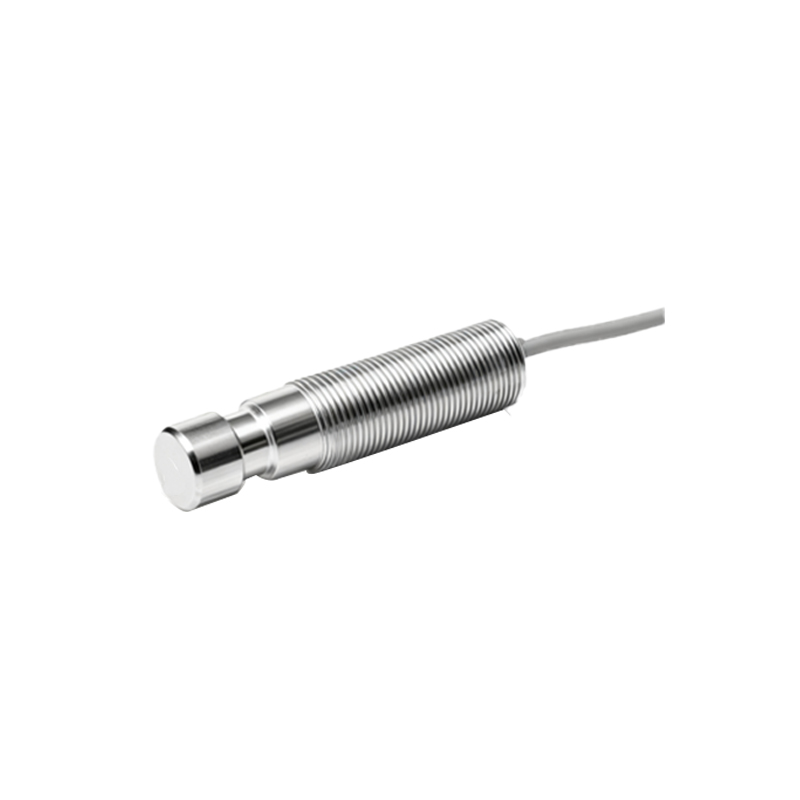
For applications requiring longer detection ranges or where the target material is non-metallic and non-conductive, photoelectric sensors are often the solution. These emit a beam of light (visible, infrared, or laser) and detect its reflection or interruption. Ultrasonic sensors use sound waves, measuring the time taken for an echo to return after emitting a high-frequency pulse. They are excellent for detecting objects of varying colors, transparency, or surface properties, and for applications involving level sensing or presence detection in dusty or dirty environments where optical sensors might fail.
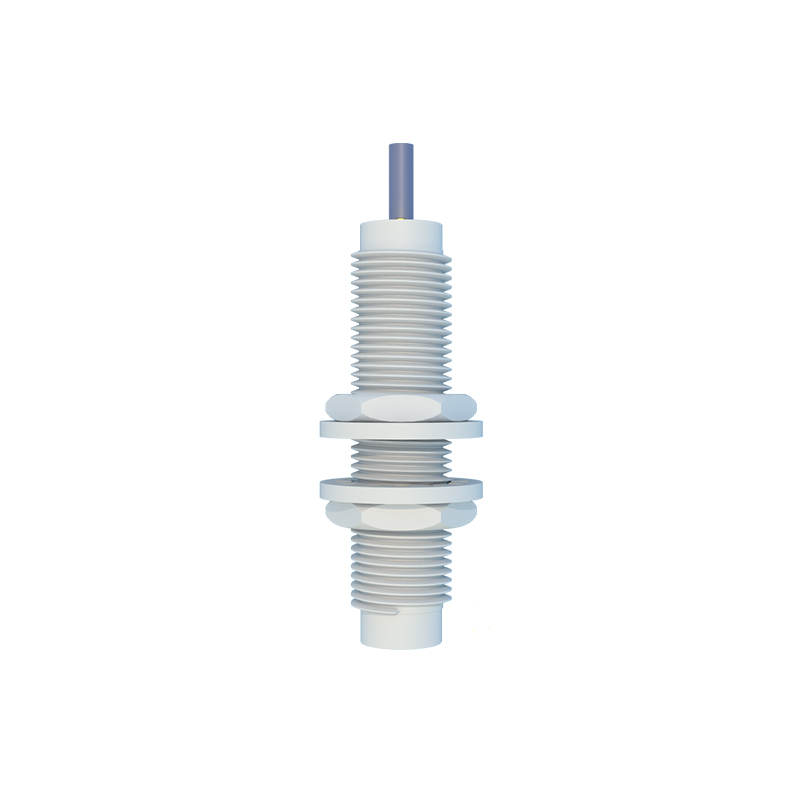
The integration of collision avoidance proximity switches into automated systems brings multifaceted benefits. Primarily, they are indispensable for operator safety. In areas where humans interact with robots or moving machinery, such as assembly lines or automated guided vehicle (AGV) pathways, these sensors create virtual safety zones. If a person or obstacle breaches this zone, the sensor immediately sends a signal to the control system to initiate an emergency stop or reduce speed, effectively preventing accidents. Beyond safety, they contribute significantly to equipment protection. Unplanned collisions can cause catastrophic damage to precision tools, molds, and robotic end-effectors, leading to costly downtime and repairs. Proximity switches prevent such impacts, ensuring the longevity of capital investments.
Furthermore, these sensors enhance operational efficiency and process reliability. They enable precise positioning control, object counting, and jam detection in conveyor systems. For instance, in automated storage and retrieval systems (AS/RS), proximity sensors ensure that shuttle carts or cranes accurately align with storage bins without physical contact, allowing for high-speed, reliable operation. Their fast response time and repeatability are crucial for maintaining high cycle rates in manufacturing.
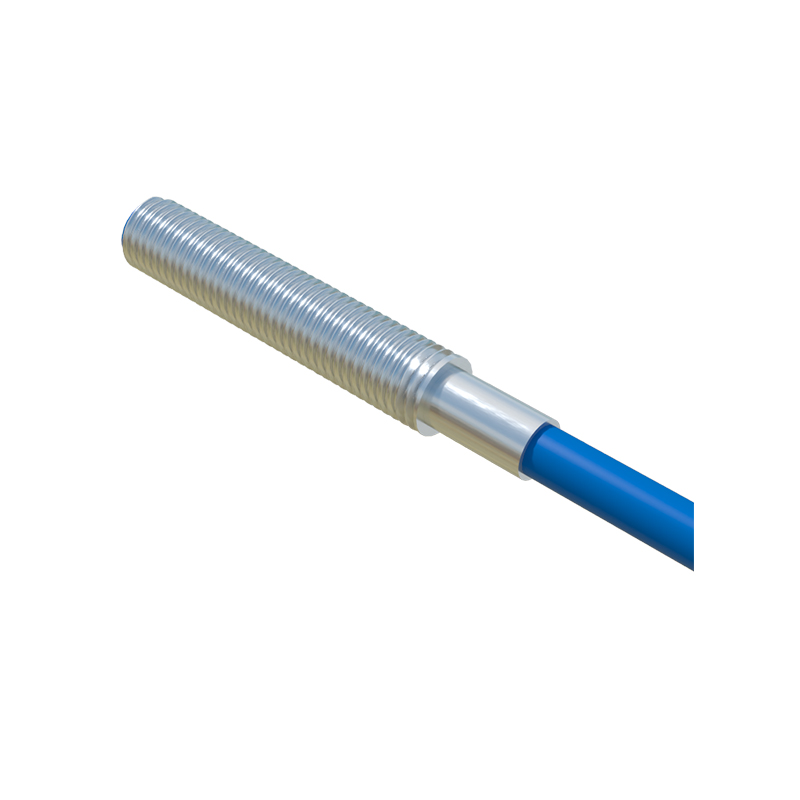
Selecting the right collision avoidance proximity sensor requires careful consideration of several factors. The sensing range, often referred to as the nominal sensing distance (Sn), must be appropriate for the application to allow sufficient reaction time. Environmental conditions such as temperature extremes, humidity, oil, coolant, or metal chips can affect sensor performance; thus, choosing a sensor with an appropriate ingress protection (IP) rating is essential. The output type (e.g., NPN, PNP, analog, or IO-Link) must be compatible with the existing programmable logic controller (PLC) or control system. Mounting constraints and the physical size of the sensor also play a critical role, especially in space-limited installations.
Modern advancements are pushing the boundaries of traditional proximity sensing. The advent of IO-Link communication transforms standard sensors into smart devices capable of providing detailed diagnostic data, such as operating hours, temperature readings, and signal strength, to higher-level control systems. This facilitates predictive maintenance, allowing technicians to address potential issues before they cause a failure. Additionally, the development of more robust designs with enhanced resistance to electromagnetic interference (EMI) and welding fields ensures reliable performance in the most demanding industrial settings, such as automotive welding lines.
In conclusion, collision avoidance proximity switch sensors are not merely optional accessories but fundamental pillars of modern industrial automation. By providing non-contact, reliable detection, they form an invisible yet robust safety net that safeguards human workers, protects valuable assets, and ensures the smooth, efficient, and continuous operation of automated processes. As industries continue to evolve towards smarter, more interconnected factories (Industry 4.0), the role of these intelligent sensing devices will only become more pronounced, driving both safety and productivity to new heights.