Introduction to Apache Photoelectric Sensors
Apache photoelectric sensors are renowned in the industrial automation sector for their reliability, precision, and versatility. These sensors operate by emitting a light beam, typically infrared, visible red, or laser, to detect the presence, absence, or distance of an object. The core principle involves a transmitter and a receiver; when the light beam is interrupted or reflected by an object, the sensor triggers an output signal. This technology is fundamental in countless automation processes, enabling non-contact detection which minimizes wear and tear and ensures long-term operational stability. Industries ranging from packaging and material handling to automotive assembly and pharmaceutical production rely on these sensors for critical control and safety functions. Understanding where to source and implement Apache sensors is crucial for engineers and procurement specialists aiming to optimize their production lines.
Primary Industrial Distributors and Suppliers
A primary channel for acquiring Apache photoelectric sensors is through authorized industrial distributors and suppliers. Major global suppliers like RS Components, Allied Electronics & Automation, and Digi-Key Electronics typically stock a wide range of Apache sensor models. These distributors offer the advantage of extensive online catalogs, detailed technical specifications, datasheets, and often, same-day shipping options. Furthermore, regional and specialized industrial automation suppliers often carry Apache products, providing localized support and expertise. It is advisable to purchase from authorized distributors to guarantee product authenticity, access to full manufacturer warranties, and obtain genuine technical support. Many of these suppliers also offer value-added services such as custom configuration, kitting, and integration support, which can be invaluable for complex projects.
Direct Procurement from Manufacturer Websites
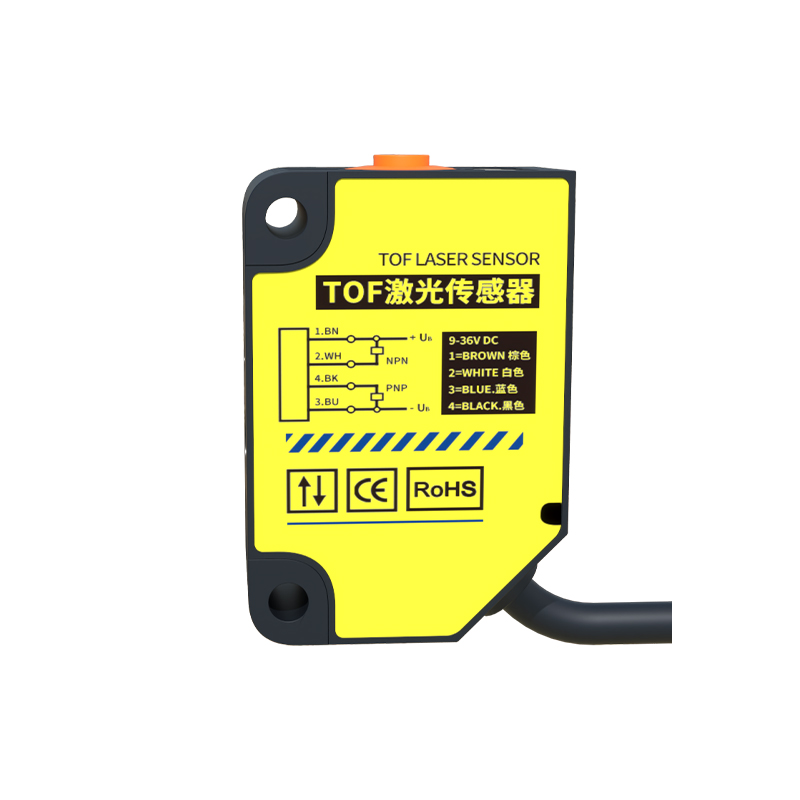
For large-scale projects or specific technical requirements, procuring directly from the manufacturer or its official regional websites is a highly effective approach. The official Apache Sensors website serves as a comprehensive resource, offering complete product listings, application notes, white papers, and direct contact information for sales and engineering support. Purchasing directly often facilitates access to the latest product releases, firmware updates, and specialized sensors that may not be widely available through distributors. This direct line also ensures that you receive the most accurate technical information and can discuss custom solutions or volume pricing directly with the manufacturer's application engineers, ensuring the selected sensor perfectly matches the operational demands of your project.
Integration in OEM Machinery and Systems
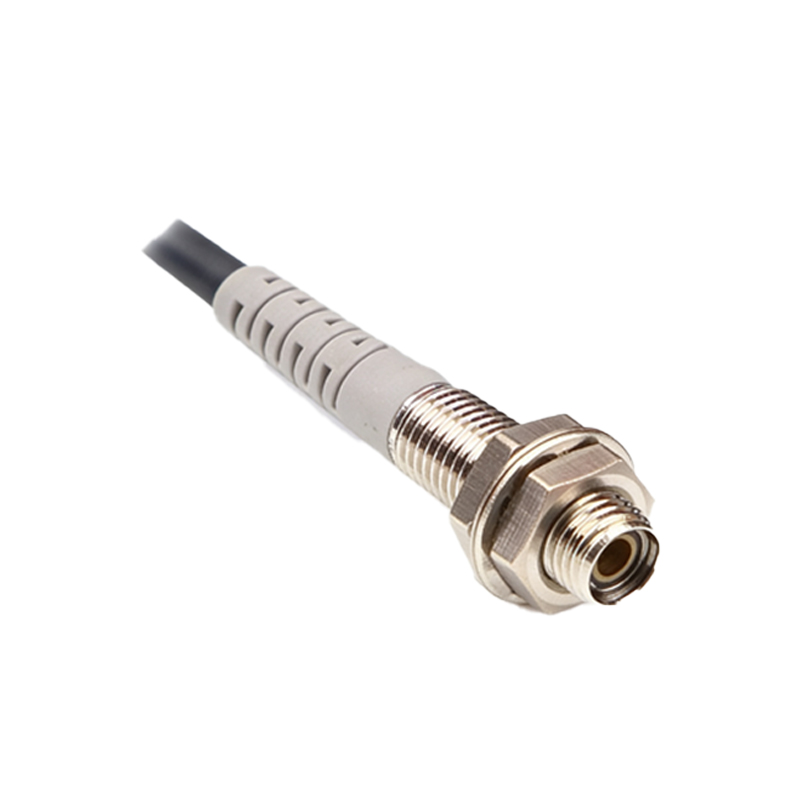
Apache photoelectric sensors are frequently found pre-integrated into original equipment manufacturer (OEM) machinery. Many machine builders specializing in conveyor systems, packaging machines, robotic cells, and assembly stations standardize on Apache sensors for their internal sensing needs. Therefore, when you purchase or maintain such machinery, you are inherently sourcing Apache sensors. For maintenance and replacement parts, contacting the OEM's parts department is a direct route. Additionally, system integrators who design and build custom automation lines are another key source. These professionals specify and install Apache sensors based on the project's needs, and they can be a valuable resource for identifying the exact sensor model required for a retrofit or upgrade within an existing system.
Online Marketplaces and Specialized Platforms
E-commerce and online industrial marketplaces have become significant venues for sourcing components. Platforms like Amazon Business, eBay (for both new and surplus stock), and Zoro cater to industrial buyers and often list Apache photoelectric sensors. While these platforms offer convenience and competitive pricing, caution is advised. It is critical to verify the seller's reputation and ensure the products are new and genuine, as counterfeit industrial components can pose serious risks to system safety and reliability. These platforms are often suitable for procuring standard models for maintenance, repair, and operations (MRO) activities or for small-scale prototyping, but for mission-critical applications, authorized channels remain the recommended choice.
Key Considerations for Selection and Sourcing
Identifying the right source is only part of the equation. Successful implementation requires careful selection. Key parameters include sensing mode (through-beam, retro-reflective, or diffuse), sensing range, light source type, output configuration (PNP/NPN, analog, IO-Link), housing material (e.g., metal or plastic for specific environmental resistance), and electrical connection type. Always consult the latest datasheets and utilize the manufacturer's selection tools or configurators. Furthermore, consider the total cost of ownership, which includes not just the unit price but also factors like delivery time, availability of spare parts, quality of technical support, and the supplier's ability to provide consistent stock for future needs. Establishing a relationship with a reliable supplier is as important as selecting the sensor itself.