Introduction to Shenzhou's Industrial-Grade Computing
The Shenzhou Optoelectronic Sensor Laptop represents a significant convergence of rugged mobile computing and specialized sensor integration, designed explicitly for field engineers, technicians, and researchers in the electrical and optoelectronic industries. Unlike conventional consumer laptops, this device is engineered to interface directly with a variety of optical and electrical sensors, facilitating real-time data acquisition, analysis, and diagnostics in challenging environments. Its core proposition lies in transforming a standard laptop into a portable, multi-functional workstation capable of handling sensitive measurements and complex signal processing tasks that are typically confined to laboratory benchtops.
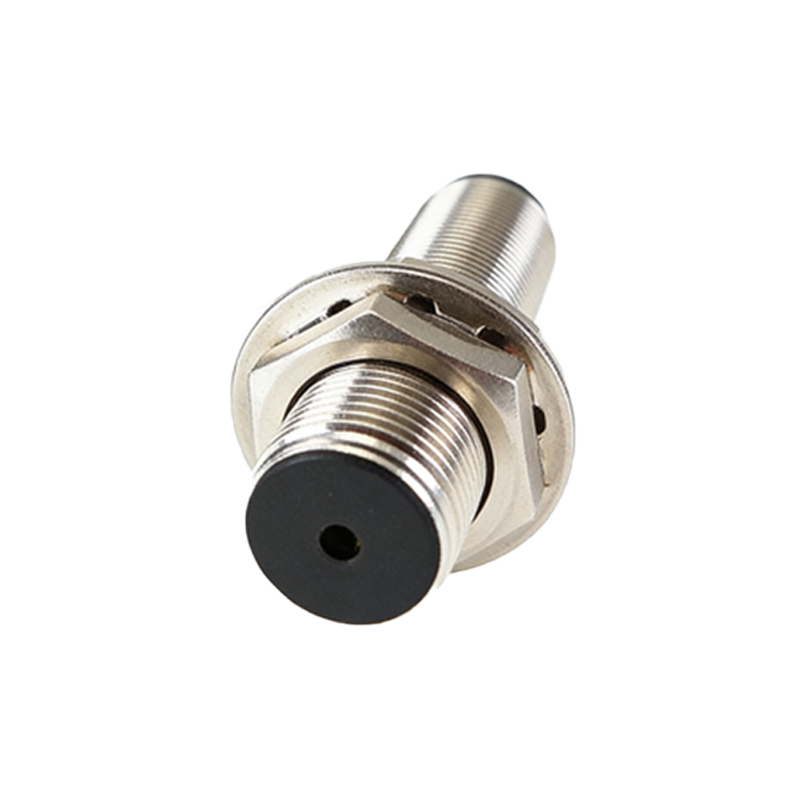
Core Hardware and Sensor Integration Capabilities
At the heart of this laptop is its proprietary sensor interface module. This module typically includes high-precision analog-to-digital converters (ADCs), programmable gain amplifiers, and dedicated ports for common industrial communication protocols such as RS-232, RS-485, and CAN bus. Some models may feature integrated optoelectronic sensors themselves—like ambient light sensors, spectral sensors, or simple photodetectors—for basic light measurement tasks. The true power, however, lies in its ability to connect to external, high-end sensors for luminosity, color temperature, spectral analysis, or laser power measurement via USB, Ethernet, or custom breakout boxes. The internal processing unit is usually a mid-to-high-performance multi-core CPU, paired with sufficient RAM (often 16GB or more) to run data-intensive applications without latency.
Software Ecosystem and Analytical Tools
Hardware is only one part of the equation. The Shenzhou laptop typically comes pre-loaded or is compatible with a suite of specialized software. This includes data logging applications with customizable dashboards, spectral analysis software, and tools for graphing and reporting. Crucially, it often supports industry-standard programming environments like LabVIEW, MATLAB, or Python with scientific libraries (NumPy, SciPy), allowing engineers to develop custom algorithms for signal filtering, noise reduction, and real-time feedback control. The operating system is a stabilized version of Windows or sometimes a Linux distribution, optimized for deterministic performance and reduced background interference during critical measurements.
Durability and Field Deployment Design
Recognizing the demanding conditions of industrial sites, the build quality of the Shenzhou Optoelectronic Sensor Laptop is a key feature. The chassis is often constructed from magnesium-aluminum alloys with rubberized reinforcements at stress points. It boasts IP ratings for dust and water resistance (e.g., IP53 or higher), a shock-mounted hard drive or SSD, and a spill-resistant keyboard. The display is a high-brightness, anti-glare panel, readable under direct sunlight—a critical feature for outdoor work. Battery life is engineered for longevity, often featuring hot-swappable battery options to ensure uninterrupted operation during extended field surveys or monitoring sessions.
Performance in Real-World Electrical Applications
In practical terms, this laptop excels in several niche applications. For power quality analysis, it can interface with power meters and loggers to capture voltage sags, swells, harmonics, and transients, displaying results in real-time. In photovoltaic system maintenance, technicians can connect it to pyranometers and IV curve tracers to assess solar panel performance on-site. For lighting system design and audit, integrating a spectroradiometer allows for precise measurement of illuminance, chromaticity, and spectral power distribution directly in the installed environment. The ability to immediately process data eliminates the delay between measurement and analysis, accelerating troubleshooting and decision-making.
Comparative Advantages and Limitations
The primary advantage of the Shenzhou system is its all-in-one portability and dedicated functionality. It removes the need for carrying separate data loggers, oscilloscopes, and a standard laptop, consolidating tools into a single, rugged package. The deep integration between hardware ports and analysis software streamlines workflow significantly. However, limitations exist. The cost is substantially higher than a consumer-grade laptop with similar core specs. The specialized nature means it might be over-equipped for general computing tasks, and the graphics capabilities are usually tailored for data visualization, not gaming or 3D rendering. Upgradability can also be limited due to the custom, sealed nature of the sensor interface components.
Conclusion and Target Audience Verdict
The Shenzhou Optoelectronic Sensor Laptop is not a device for the general public or even for all engineers. It is a highly specialized tool designed for a specific segment of professionals: field service engineers in the power and energy sector, optical system integrators, research scientists conducting environmental monitoring, and advanced manufacturing technicians. For these users, the premium price is justified by the gains in efficiency, data accuracy, and operational robustness. It represents a thoughtful solution for bridging the gap between the precision of the lab and the unpredictability of the field. When the core requirement is reliable, mobile, and integrated sensor data acquisition and analysis, the Shenzhou laptop stands as a compelling, purpose-built contender in the industrial computing landscape.