Introduction to Proximity Sensing Technology
Proximity sensors are fundamental components in modern smart home ecosystems, operating on the principle of detecting the presence or absence of an object within a specific range without physical contact. These sensors primarily utilize technologies such as infrared (IR), ultrasonic, capacitive, and inductive sensing. In a residential context, their non-contact nature makes them ideal for creating seamless, hygienic, and energy-efficient interactions. They form the invisible backbone of automation, triggering actions based on the simple event of a person or pet approaching or moving away from a designated point. The evolution from simple on/off switches to intelligent, context-aware systems is largely driven by the sophistication of these sensing units.
Core Types and Operating Principles
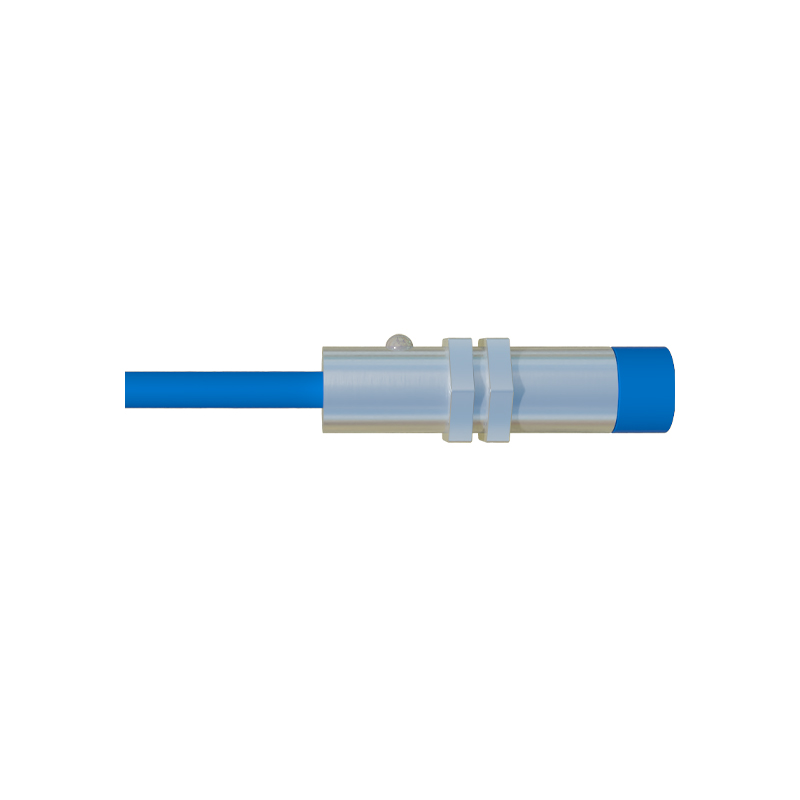
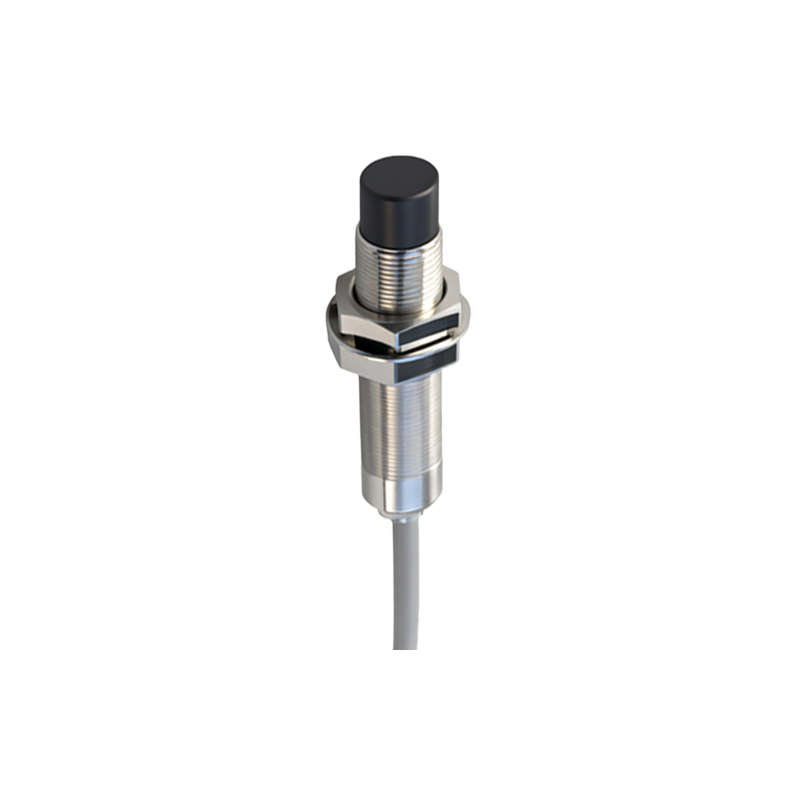
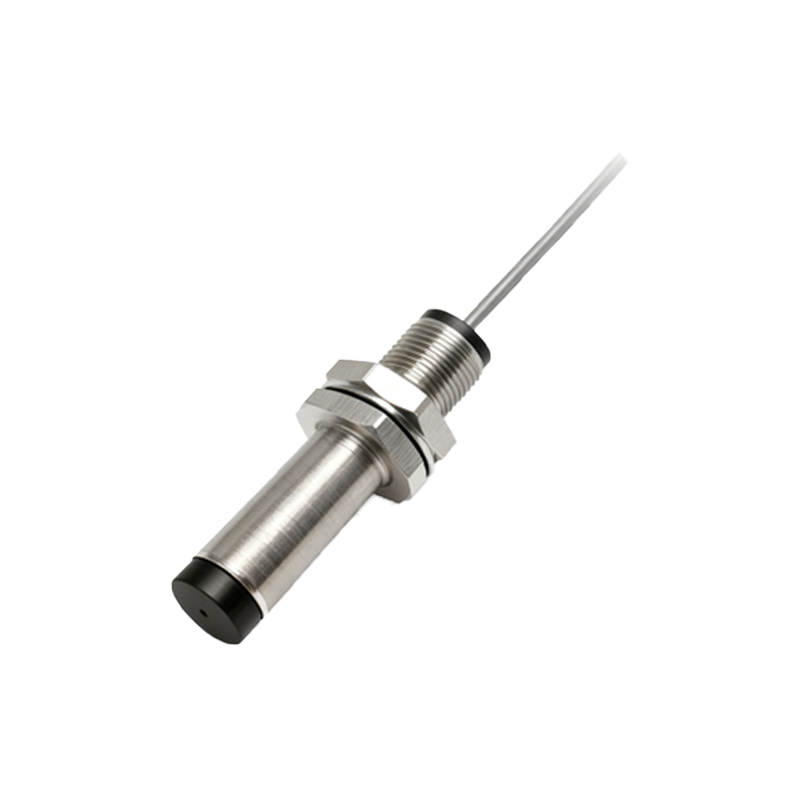
Several proximity sensor types are prevalent in smart home applications. Passive Infrared (PIR) sensors detect changes in infrared radiation emitted by warm-bodied objects, making them perfect for occupancy-based lighting and security. Ultrasonic sensors emit high-frequency sound waves and measure their reflection time to gauge distance, often used in touchless faucets or smart trash cans. Capacitive sensors detect changes in an electrical field caused by conductive objects (like the human body), enabling touchless light switches or proximity-aware displays. Inductive sensors, which detect metallic objects, find niche uses in appliance door detection or smart locker systems. Each type offers distinct advantages in range, accuracy, and environmental robustness.
Integration with Home Automation Hubs
The true power of proximity sensors is unlocked through integration with a central home automation hub or platform like Amazon Alexa, Google Home, Apple HomeKit, or open-source solutions like Home Assistant. When a sensor detects motion or proximity, it sends a signal—often via wireless protocols like Zigbee, Z-Wave, Wi-Fi, or Bluetooth Low Energy (BLE)—to the hub. The hub then executes predefined automations or "scenes." For instance, a sensor near the front door can trigger hallway lights to turn on, the thermostat to adjust, and a welcome message to play. This interconnectedness transforms isolated detection events into cohesive, intelligent home behaviors.
Key Applications for Enhanced Living
Applications are vast and focused on convenience, safety, and conservation. In lighting, sensors enable "hands-free" operation in pantries, closets, or garages, and path lighting that activates upon approach. For security, they can detect unexpected approach to windows or doors, triggering alarms or cameras. In bathrooms and kitchens, touchless faucets and soap dispensers improve hygiene. Proximity sensors can also conserve energy by powering down electronics, adjusting HVAC vents, or dimming lights when a room is unoccupied. Advanced setups even use sensor arrays to track movement patterns for elderly care or child monitoring.
Installation Considerations and Best Practices
Successful deployment requires careful planning. Sensor placement is critical; for example, a PIR sensor should have a clear field of view and be mounted away from heat sources like vents. Range and field of detection must match the intended application—a wide-angle sensor for a room, a narrow-beam for a doorway. Power sources (battery vs. hardwired) impact maintenance schedules. Interference from sunlight, other electronic devices, or even air movement can affect ultrasonic or IR sensors. It is essential to calibrate sensitivity and delay timers to avoid false triggers (e.g., from pets) or missed events, ensuring reliable system performance.
Future Trends and Advanced Capabilities
The future points toward smarter, more discrete, and multi-functional sensors. Radar-based sensors, using millimeter-wave technology, are emerging. They can detect subtle motions like breathing, offering applications in sleep monitoring or fall detection with high privacy as they do not require cameras. Sensor fusion, combining data from proximity, temperature, and light sensors, will allow for more nuanced context awareness. Furthermore, the integration of Artificial Intelligence and machine learning will enable sensors to learn household routines and predict actions, moving from reactive automation to truly anticipatory smart home environments.
Addressing Privacy and Security Concerns
As with all connected devices, proximity sensors raise valid privacy and security questions. Data about movement patterns within a home is highly sensitive. Manufacturers must implement strong encryption for data transmission and secure cloud storage. Local processing of sensor data, where possible, minimizes exposure. Users should be diligent about changing default passwords, regularly updating firmware, and understanding the data-sharing policies of their devices. A secure smart home network, often using a separate VLAN, is a recommended best practice to protect the entire ecosystem from potential intrusions.