Magnetic proximity sensors, often referred to as magnetic proximity switches, are indispensable components in modern industrial automation and countless everyday devices. Their core function is to detect the presence or absence of a magnetic field, typically from a permanent magnet, without any physical contact. This non-contact operation is the key to their reliability, long service life, and ability to function in harsh environments where dirt, dust, oil, or vibration would compromise mechanical switches.
At the heart of most magnetic proximity sensors lies a reed switch or a solid-state Hall-effect sensor. The reed switch is a simple, sealed glass tube containing two ferromagnetic reeds. When an external magnetic field of sufficient strength is applied, the reeds magnetize, attract each other, and make contact, closing the electrical circuit. When the magnet moves away, the reeds spring back to their original position, breaking the circuit. Reed switches are known for their low cost, low power consumption, and ability to switch both AC and DC loads. However, they have limitations in switching speed, mechanical shock resistance, and a finite number of operational cycles.
In contrast, Hall-effect sensors represent a more advanced, solid-state technology. They operate on the principle discovered by Edwin Hall. When a current-carrying conductor or semiconductor is placed in a magnetic field perpendicular to the current flow, a voltage difference, known as the Hall voltage, is generated across the material. A Hall-effect sensor integrates this element with signal conditioning circuitry. When the magnetic flux density exceeds a predefined threshold, the sensor's output state changes, either as a digital ON/OFF signal or an analog voltage proportional to the field strength. Hall-effect sensors offer superior durability, virtually unlimited switching cycles, very high operational frequencies, and excellent resistance to environmental contaminants. They are the preferred choice for demanding applications requiring precision and longevity.
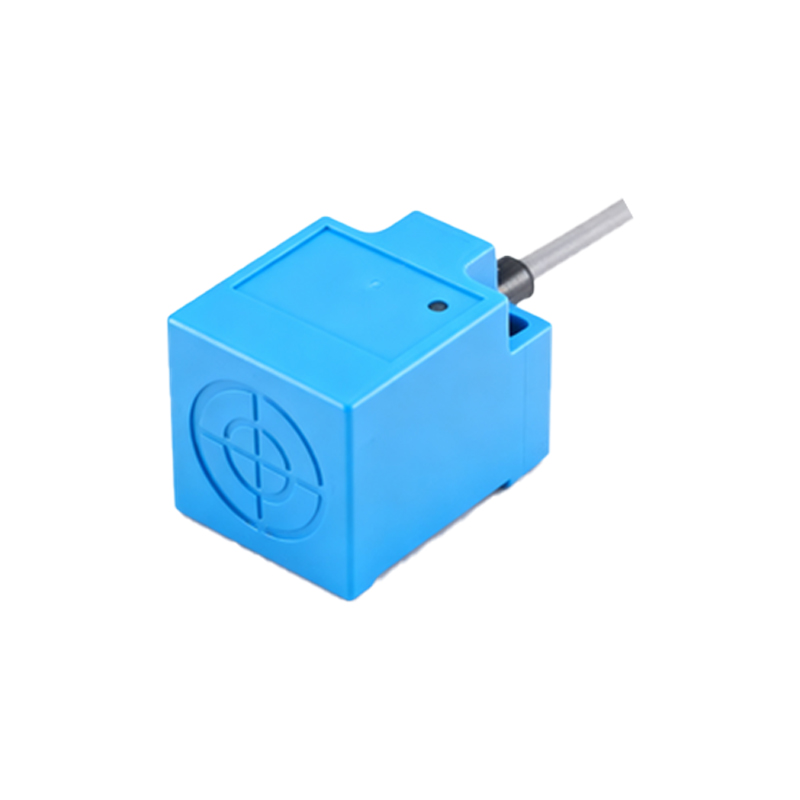
The typical application setup involves pairing the sensor with a permanent magnet, often embedded in a target object like a cylinder piston, a door, or a rotating gear. The sensor is fixed in position, and it detects the magnet's approach or retreat. The critical parameter is the "switching distance" or sensing range, which is specified by the manufacturer and depends on the magnet's strength, size, and the sensor's sensitivity. It is crucial to install the sensor within this rated distance for reliable operation.
The advantages of magnetic proximity sensors are numerous. Their non-contact nature eliminates mechanical wear and tear, leading to minimal maintenance. They are inherently sealed against environmental factors, often boasting high IP (Ingress Protection) ratings for use in wet or dusty conditions. They provide fast and bounce-free switching, which is essential for precise position detection and counting tasks. Furthermore, they are not affected by the color, transparency, or surface finish of the target object, as long as it carries or triggers the magnet.
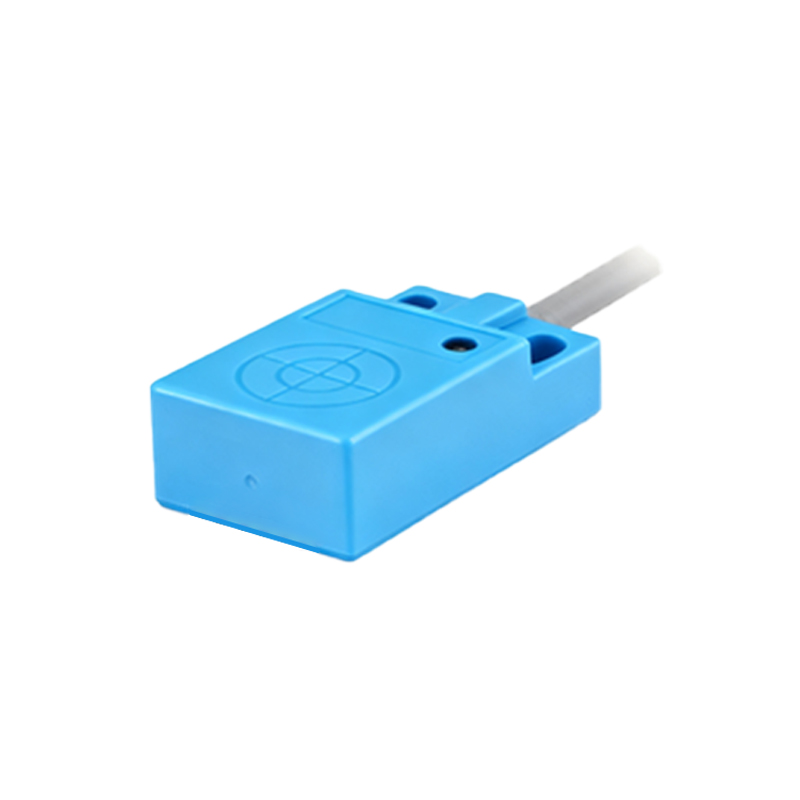
These characteristics make magnetic proximity sensors incredibly versatile. Common industrial applications include:
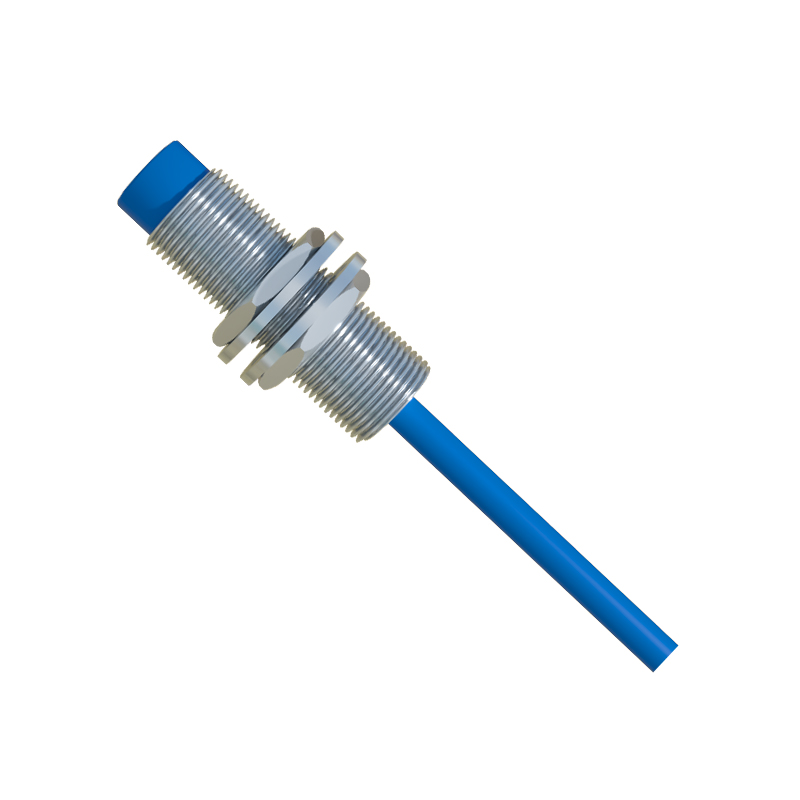
Position Sensing: Detecting the open/closed status of doors, hoods, or guards on machinery and vehicles.
Cylinder Position Feedback: A standard method for confirming the extended or retracted position of pneumatic or hydraulic cylinders, crucial for sequence control.
Speed and RPM Measurement: By detecting magnets on a rotating shaft or gear, sensors can calculate rotational speed or act as a tachometer.
Counting and Object Detection: Used on conveyor belts to count products or detect the presence of fixtures.
Limit Switching: Providing end-of-travel signals for moving parts in a wide range of automated equipment.
Beyond heavy industry, these sensors are ubiquitous in consumer electronics (e.g., laptop lid closure detection), automotive systems (e.g., seat belt buckle detection, wheel speed sensing for ABS), and home appliances.
When selecting a magnetic proximity sensor, key considerations include the sensing technology (reed vs. Hall-effect), the required switching distance, the output type (PNP/NPN, NO/NC, analog), the supply voltage, the environmental protection rating (IP code), the temperature range, and the housing material. Proper installation is also vital, ensuring correct alignment between the sensor and magnet and avoiding interference from stray magnetic fields generated by motors or heavy current cables.
In summary, magnetic proximity sensors offer a robust, reliable, and contactless solution for detection tasks across countless industries. Understanding the fundamental differences between reed and Hall-effect technologies, along with their operational parameters, enables engineers and technicians to select the optimal sensor for enhancing system safety, efficiency, and automation.