Introduction to Proximity Sensing Technology
Proximity sensors represent a cornerstone of modern industrial automation and smart systems. These devices detect the presence or absence of objects within a specific range without any physical contact. The fundamental principle relies on changes in an electromagnetic field, light, or sound. High-tech variants have evolved far beyond simple detection, now offering unparalleled precision, speed, and reliability. Suppliers in this space are not merely component vendors; they are technology partners driving innovation in sectors ranging from automotive manufacturing to consumer electronics. The demand for smarter, smaller, and more energy-efficient sensors continues to push the boundaries of what these components can achieve.
Key Technologies and Sensor Types
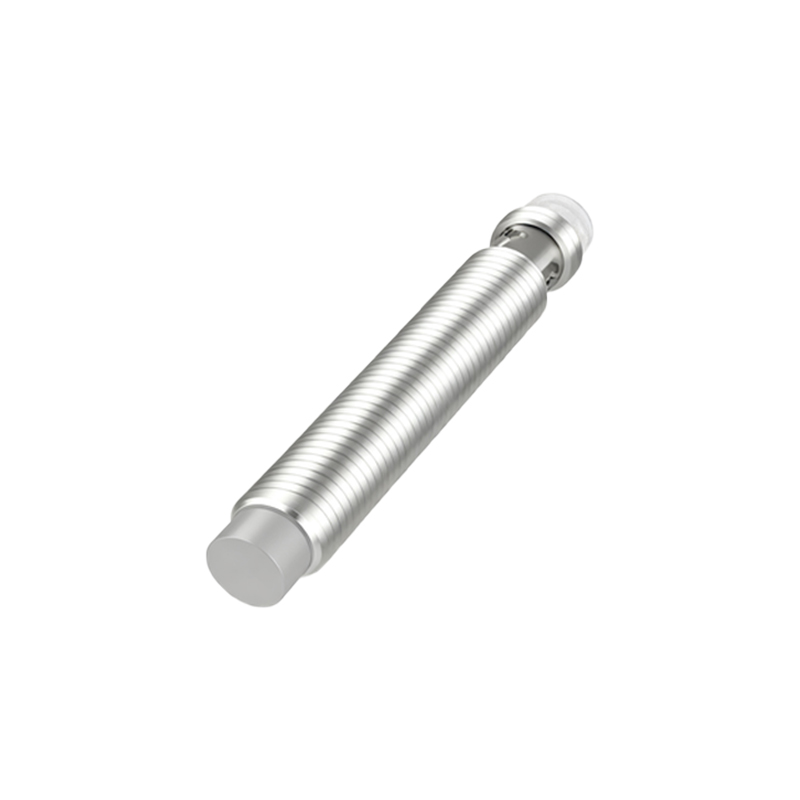
The landscape of high-tech proximity sensors is defined by several core technologies. Inductive sensors are workhorses in metal detection for industrial automation, prized for their robustness. Capacitive sensors can detect both metallic and non-metallic materials, making them ideal for liquid level sensing or plastic part detection. Photoelectric sensors use light beams, offering long-range detection capabilities. Ultrasonic sensors employ sound waves, excelling in harsh environments where dust or moisture is present. The latest advancements include LiDAR-based sensors for high-resolution 3D mapping and Time-of-Flight (ToF) sensors that provide precise distance measurement, crucial for robotics and autonomous systems.
Leading Suppliers and Market Specialization
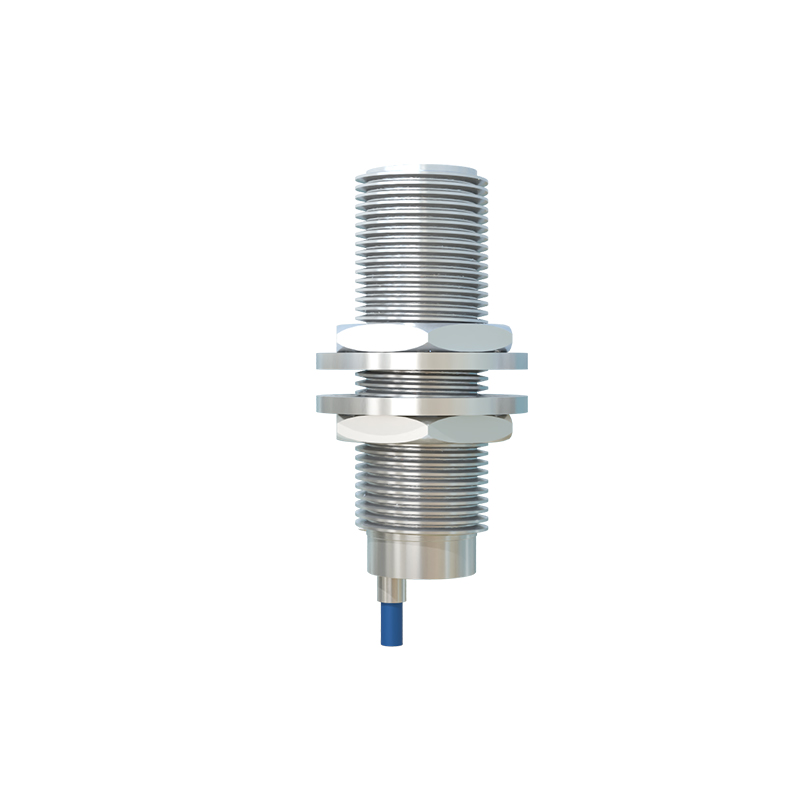
The global market features a mix of established giants and innovative specialists. Companies like Sick AG, Pepperl+Fuchs, and Omron Corporation have built extensive portfolios covering nearly every sensor type and application, supported by global service networks. Meanwhile, suppliers like Balluff GmbH often specialize in ultra-compact and IO-Link enabled sensors for Industry 4.0 connectivity. For cutting-edge optical and ToF sensors, companies like ams OSRAM and Texas Instruments are key players, providing essential components for advanced driver-assistance systems (ADAS) and augmented reality devices. The choice of supplier often depends on the specific technical requirements, environmental challenges, and integration needs of the end application.
Innovation Drivers and Future Trends
Innovation in this field is driven by several converging trends. The rise of the Industrial Internet of Things (IIoT) demands sensors with built-in intelligence and communication protocols like IO-Link for predictive maintenance and data analytics. Miniaturization is relentless, allowing sensors to be embedded into ever-smaller consumer devices and medical instruments. There is also a strong push towards improving energy efficiency for battery-operated applications. Furthermore, the integration of artificial intelligence at the edge is beginning to emerge, enabling sensors to perform basic classification tasks locally, reducing latency and data transmission loads. Suppliers investing in these areas are positioning themselves at the forefront of the next wave of automation.
Critical Selection Criteria for Engineers
Selecting the right proximity sensor and supplier is a multi-faceted decision for design engineers. Key technical parameters include sensing range, repeat accuracy, response time, and housing material (e.g., stainless steel for washdown environments). Environmental factors like temperature extremes, exposure to chemicals, or intense vibration must be considered. Equally important are the supplier's capabilities in providing detailed technical documentation, application support, simulation tools, and reliable supply chain logistics. For complex projects, the supplier's ability to offer custom sensor solutions or collaborative engineering support can be a decisive factor in ensuring project success and long-term system reliability.
Applications Across Major Industries
The application breadth of high-tech proximity sensors is vast. In automotive manufacturing, they ensure robotic arms precisely weld and assemble components. In the food and beverage industry, capacitive sensors monitor fill levels in sterile tanks. Photoelectric sensors count products on high-speed packaging lines. In mobile robotics, LiDAR and ToF sensors are the "eyes" for navigation and obstacle avoidance. Consumer electronics use miniature infrared proximity sensors to disable touchscreens during phone calls. Even in agriculture, ultrasonic sensors help automate harvesting equipment. This ubiquitous presence underscores their role as fundamental enablers of efficiency, safety, and intelligence across the global economy.
Conclusion and Outlook
The ecosystem of high-tech proximity sensor suppliers is dynamic and critically important to technological progress. As machines become more autonomous and systems more interconnected, the role of these sophisticated sensors will only expand. Future developments will likely focus on multi-functional sensors that combine proximity sensing with other measurements, enhanced resilience in extreme conditions, and even greater integration with digital twin and cyber-physical systems. For engineers and procurement specialists, maintaining a close relationship with innovative suppliers and staying abreast of technological advancements is not just beneficial—it is essential for developing competitive and future-proof products and industrial solutions.