Introduction to Stone Photoelectric Sensors
Stone photoelectric sensors represent a specialized category of industrial sensing devices engineered for robust detection in harsh environments. Unlike standard photoelectric sensors, these units are constructed with durable housings, often incorporating stone-like composite materials or hardened coatings that provide exceptional resistance to abrasion, dust, moisture, and chemical exposure. The core principle remains the emission of a light beam—typically infrared, visible red, or laser—and the detection of its presence or absence by a receiver. This technology is pivotal in industries where reliability under extreme physical stress is non-negotiable, such as mining, heavy machinery manufacturing, and bulk material handling. The "stone" designation underscores their ruggedized design, ensuring longevity and consistent performance where conventional sensors would rapidly degrade.
Core Operating Principles and Technologies
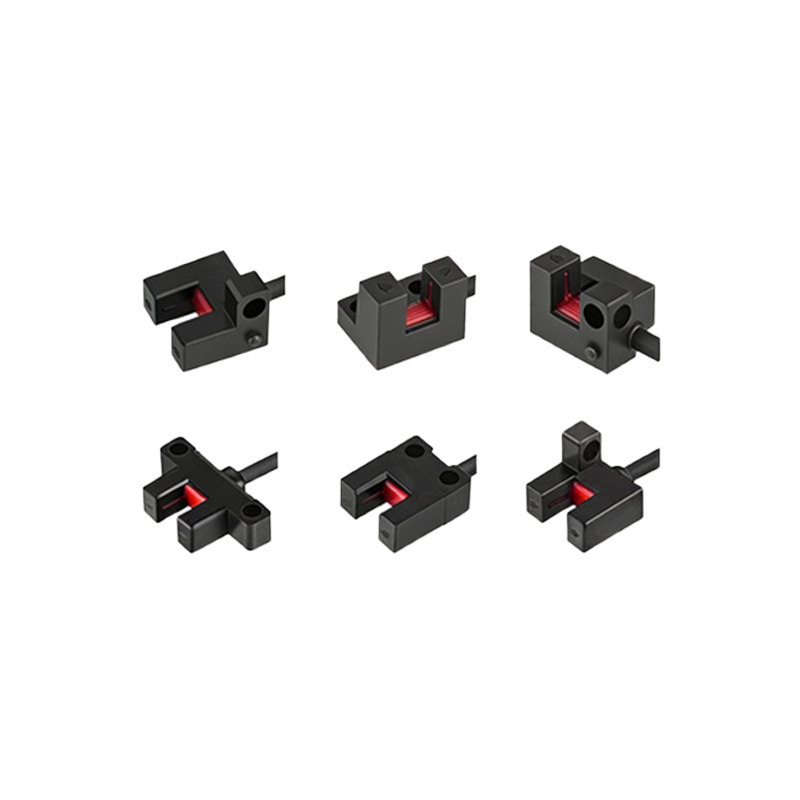
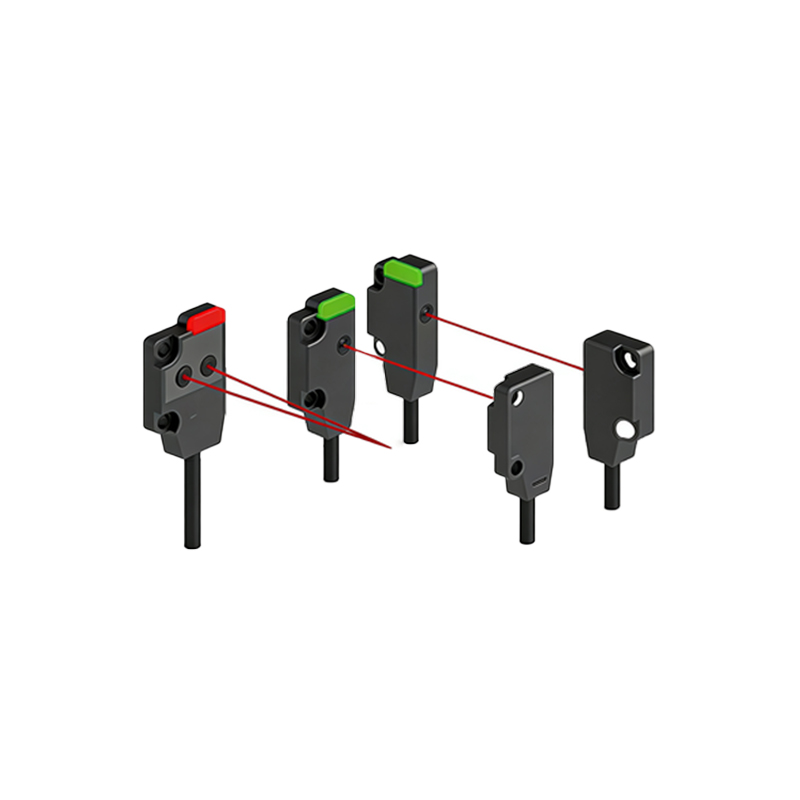
The functionality of stone photoelectric sensors is grounded in three primary modes: through-beam, retro-reflective, and diffuse reflective. Through-beam sensors, offering the longest sensing range and highest reliability, consist of separate emitter and receiver units. The detection occurs when an object interrupts the light beam traveling between them. Retro-reflective models house both emitter and receiver in a single housing, utilizing a reflector to bounce the beam back. They are equipped with polarization filters to ignore reflections from shiny objects, a common challenge in stony or metallic environments. Diffuse reflective sensors detect objects by measuring the light reflected directly from the target's surface, making them suitable for close-range applications. Advanced versions integrate background suppression or foreground suppression technologies, allowing precise detection of objects at a specific distance while ignoring surfaces beyond or before the set point. This is critical for accurately sensing irregular stone or aggregate materials on conveyor belts.
Key Design Features and Durability Enhancements
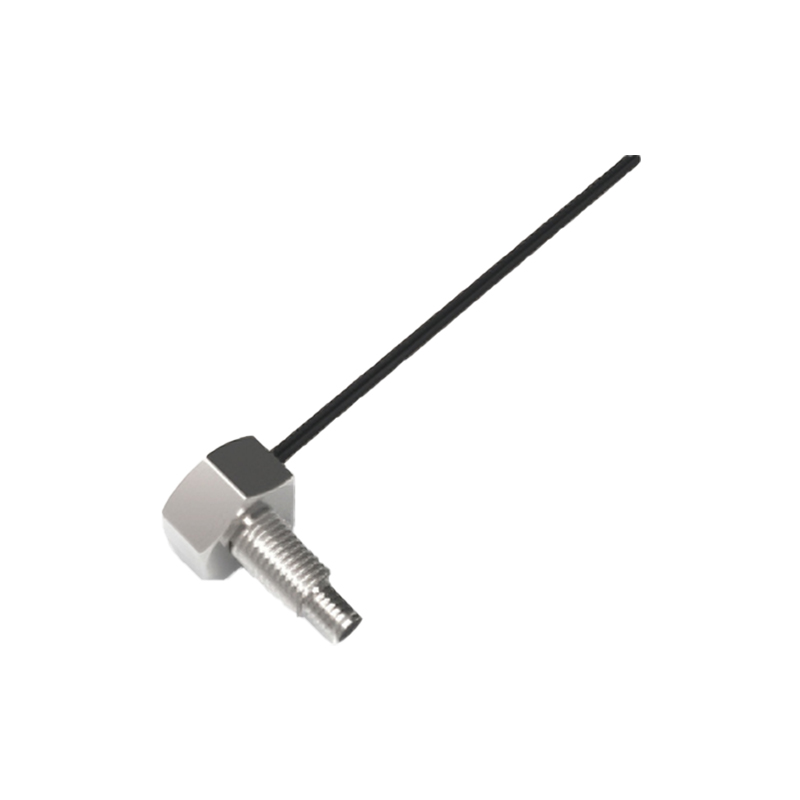
The defining characteristic of stone photoelectric sensors is their enhanced mechanical and environmental protection. Housings are manufactured from materials like stainless steel, ruggedized plastics, or composites with ceramic coatings, providing IP67, IP68, or even IP69K ingress protection ratings. This makes them resistant to high-pressure washdowns and particulate intrusion. Lenses are often made from scratch-resistant minerals or coated with hydrophobic layers to prevent fouling from mud or slurry. Internally, components are potted or shock-mounted to withstand severe vibration and impact—common in quarrying or demolition equipment. Electrical connections are similarly fortified, using M12 or M8 quick-disconnect connectors with robust sealing to prevent corrosion. Many models feature adjustable sensing ranges, teach-in functions for easy setup, and IO-Link digital communication for real-time diagnostics and parameterization, aligning with Industry 4.0 smart factory requirements.
Primary Industrial Applications and Use Cases
These sensors are indispensable in sectors dealing with abrasive and dirty materials. In mining and aggregate processing, they monitor the level of crushed stone in bins, detect oversized rocks on crusher feeds, and count bags of cement or gravel. In the steel and foundry industries, they detect the presence of hot metal slabs or ingots, with models specifically designed to filter out infrared heat radiation. On construction machinery, such as excavators and bulldozers, they serve as safety devices for proximity detection or as operational sensors for position feedback on moving arms. Recycling plants employ them to sort materials on fast-moving lines, distinguishing between different types of debris. Their reliability ensures minimal downtime in continuous, high-throughput operations, directly impacting operational safety and productivity.
Selection Criteria and Installation Best Practices
Selecting the appropriate stone photoelectric sensor requires careful analysis of the application parameters. Engineers must consider the sensing distance required, the size and material of the target object, and the environmental conditions, including ambient light, temperature extremes, and potential contaminants. For detecting small, dark stones, a focused laser sensor with background suppression might be necessary. Installation is critical for optimal performance; sensors should be mounted securely to minimize vibration-induced misalignment. Brackets should be used to isolate the sensor from machine vibrations. The sensing path must be kept clear of accumulative dust or debris, which may require periodic cleaning schedules or the use of sensors with built-in air purge connections. Proper alignment, especially for through-beam and retro-reflective types, is essential and should be verified during commissioning and maintenance cycles.
Maintenance, Troubleshooting, and Future Trends
While designed for durability, stone photoelectric sensors require preventive maintenance to ensure peak performance. Regular inspection of lens cleanliness and housing integrity is mandatory. Common issues include false triggers due to lens contamination, signal attenuation from misalignment, or electrical noise in cabling. Troubleshooting typically involves checking the alignment, cleaning the lens with appropriate solvents, and verifying power supply and output signals. The future of this technology points toward greater integration of intelligence. Sensors with advanced diagnostics will predict lens fouling or alignment drift, prompting pre-emptive maintenance. Furthermore, miniaturization without sacrificing robustness, enhanced connectivity via Ethernet-APL, and improved energy efficiency are key development areas, enabling more granular and data-rich monitoring of industrial processes involving stone, minerals, and other challenging materials.