Introduction to Powder Photoelectric Sensors
Powder photoelectric sensors are specialized devices designed to detect the presence, level, or flow of powdered materials in various industrial processes. These sensors operate on the principle of light transmission or reflection, utilizing infrared or visible light to interact with powder particles. Unlike traditional sensors used for liquids or solid objects, powder sensors are engineered to handle the unique challenges posed by fine particulates, such as dust interference, adhesion, and varying particle sizes. They are commonly employed in industries like food processing, pharmaceuticals, chemicals, and plastics, where precise monitoring of powder materials is critical for quality control, safety, and efficiency. By providing reliable detection, these sensors help prevent overflows, blockages, and production downtime, ensuring smooth operations in automated systems.
Working Principles and Technology
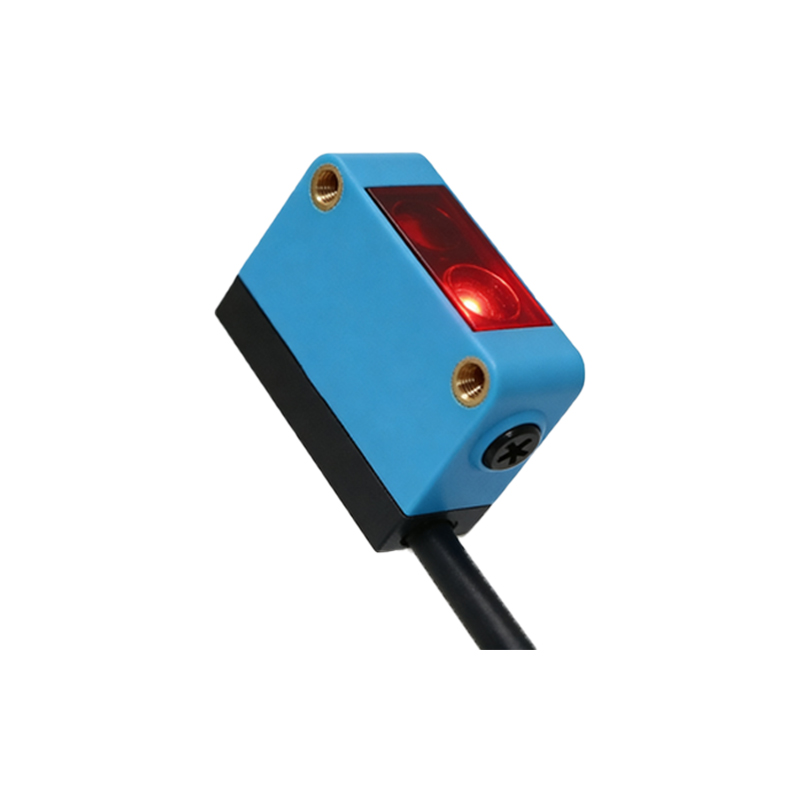
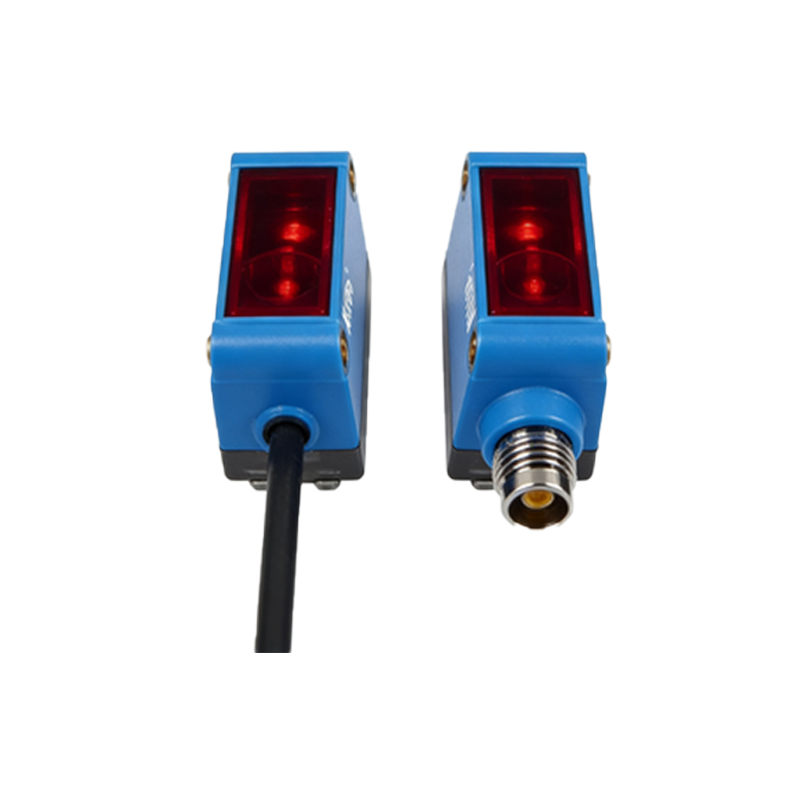
The core technology behind powder photoelectric sensors involves emitting a light beam—typically from an LED source—toward a target area where powder is present. In through-beam sensors, a transmitter and receiver are placed opposite each other; when powder interrupts the light path, the receiver detects a reduction in light intensity, triggering an output signal. In diffuse reflection sensors, a single unit emits light and detects the reflection from powder particles, making them suitable for applications where mounting space is limited. Advanced models incorporate modulated light signals to filter out ambient light interference, enhancing accuracy in dusty environments. Some sensors also feature self-diagnostic capabilities to alert users to lens contamination or misalignment, ensuring consistent performance even in harsh conditions with high powder concentrations.
Key Features and Design Considerations
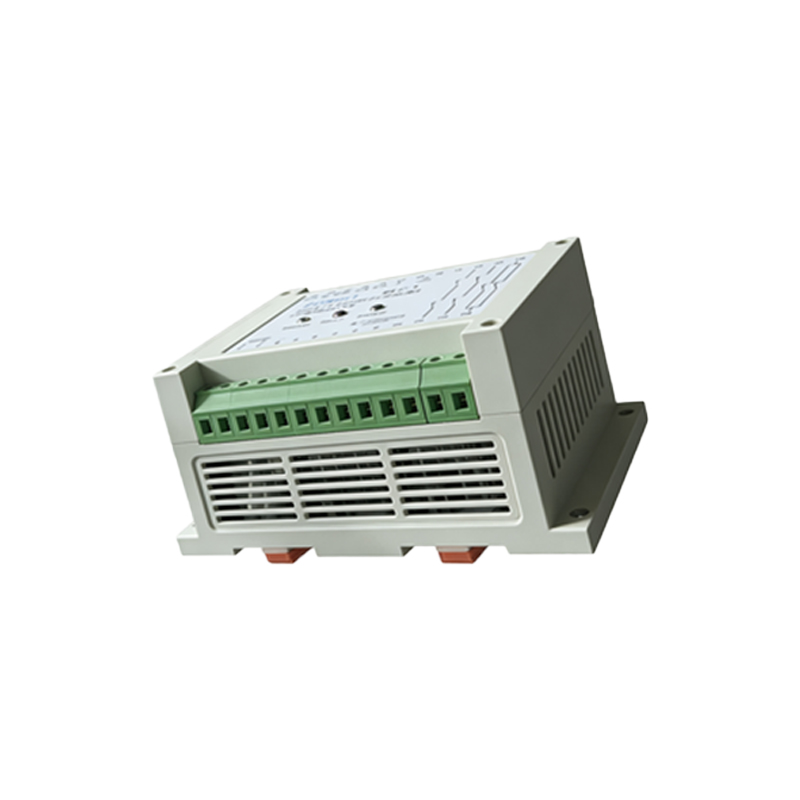
When selecting a powder photoelectric sensor, several features are essential for optimal performance. The sensor's housing should be robust and sealed—often rated IP67 or higher—to resist ingress from powder and moisture. Lens materials, such as polycarbonate or glass, must be anti-adhesive to prevent powder buildup that could obscure the light beam. Adjustable sensitivity settings allow customization for different powder types, from fine flour to coarse granules. Additionally, response time is crucial in high-speed processes; modern sensors offer millisecond-level detection to keep pace with conveyor belts or pneumatic systems. Integration with industrial networks, like IO-Link or analog outputs, enables real-time data transmission to control systems, facilitating automated adjustments and predictive maintenance.
Common Applications in Industry
Powder photoelectric sensors are versatile tools used across multiple sectors. In the food industry, they monitor flour, sugar, or spice levels in silos to prevent shortages or overfills during packaging. Pharmaceutical plants rely on them to detect powder flow in tablet production lines, ensuring accurate dosing and compliance with hygiene standards. Chemical manufacturers use these sensors to track powdered additives in reactors, while plastic industries apply them to control resin feed in extrusion processes. Beyond level detection, they are also employed in safety systems to alert operators to powder leaks or spills, reducing fire or explosion risks in combustible environments. Their adaptability makes them indispensable for maintaining efficiency and safety in powder-handling operations.
Installation and Maintenance Best Practices
Proper installation is vital for the reliable operation of powder photoelectric sensors. Mounting positions should avoid direct exposure to heavy powder streams that could cause false triggers or damage. For through-beam types, alignment between transmitter and receiver must be precise, often aided by alignment indicators or laser guides. Regular maintenance includes cleaning lenses with non-abrasive materials to maintain light transmission, and checking seals for wear. In highly dusty areas, air purging systems can be integrated to keep lenses clear. Calibration should be performed periodically, especially when switching powder types, to adjust sensitivity thresholds. Training personnel on troubleshooting common issues—like signal drift or output failures—can minimize downtime and extend sensor lifespan.
Advantages Over Alternative Sensor Types
Compared to other powder detection methods, such as capacitive or ultrasonic sensors, photoelectric sensors offer distinct benefits. They provide faster response times and higher accuracy for fine powders, as light-based detection is less affected by material density changes. Photoelectric sensors are also non-contact, reducing wear and contamination risks in sterile environments like pharmaceuticals. While capacitive sensors may struggle with moisture variations, and ultrasonic sensors can be disrupted by air turbulence, photoelectric models maintain stability in controlled conditions. However, their limitations include potential interference from colored powders or ambient light, which can be mitigated with modulated light technology and proper shielding. Overall, their precision and versatility make them a preferred choice for many powder applications.
Future Trends and Innovations
The future of powder photoelectric sensors is shaped by advancements in smart manufacturing and IoT integration. Emerging trends include sensors with embedded AI algorithms that analyze powder flow patterns to predict blockages or quality issues before they occur. Wireless connectivity allows for remote monitoring and diagnostics, reducing the need for manual inspections in hazardous areas. Miniaturization is enabling deployment in compact machinery, while enhanced materials are improving resistance to extreme temperatures and corrosive powders. Additionally, eco-friendly designs with lower power consumption align with sustainability goals. As industries move toward Industry 4.0, these sensors will play a key role in creating fully automated, data-driven powder management systems, boosting productivity and safety.