Introduction to Photoelectric Sensor Thresholds
The threshold range of a photoelectric sensor is a critical parameter defining its operational window. It represents the minimum and maximum levels of received light intensity at which the sensor reliably changes its output state. This range is not a single point but a band, accounting for variables like target reflectivity, environmental contamination, and component aging. Setting the threshold correctly ensures immunity to ambient light interference and guarantees consistent detection of intended targets while ignoring background objects. Engineers must comprehend that the threshold is the decision boundary where the sensor's receiver circuitry interprets the light signal as either "present" or "absent," triggering the corresponding switch in its output transistor.
Factors Influencing Threshold Range Determination
Several key factors dictate the optimal threshold range for a given application. The primary factor is the contrast between the target and its background. A high-contrast scenario, like a black object on a white conveyor, allows for a wider, more forgiving threshold window. Sensor sensing distance plays a major role; as distance increases, the returned light signal weakens, necessitating a lower threshold setting. The type of photoelectric sensor—diffuse, retro-reflective, or through-beam—also significantly impacts the available signal strength and thus the threshold calculation. Furthermore, environmental conditions such as dust, fog, or intense ambient light can scatter or wash out the beam, requiring careful threshold adjustment to maintain reliability.
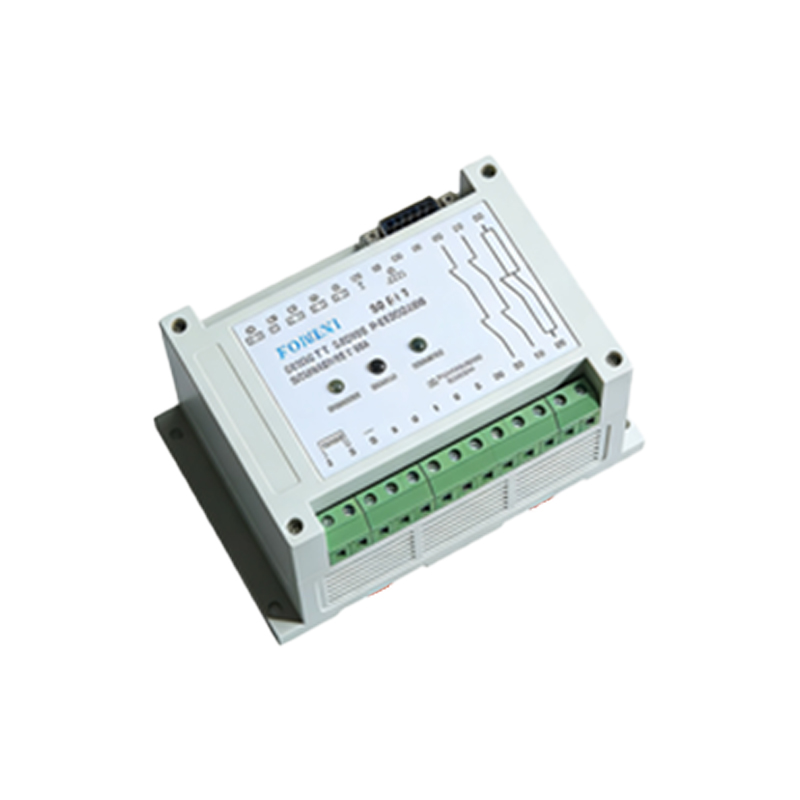
Setting and Adjusting the Threshold
Modern photoelectric sensors often feature potentiometers, teach-in buttons, or digital interfaces for threshold adjustment. The process typically involves presenting the sensor with both the "target present" and "target absent" conditions. The user then sets the threshold at a level safely between the two measured light intensities, creating a hysteresis band. This hysteresis prevents output chatter when the received signal is near the threshold point due to minor fluctuations. For advanced sensors with background suppression or foreground suppression, the threshold effectively defines the precise sensing distance cutoff, allowing detection of objects only within a specific range from the sensor head.
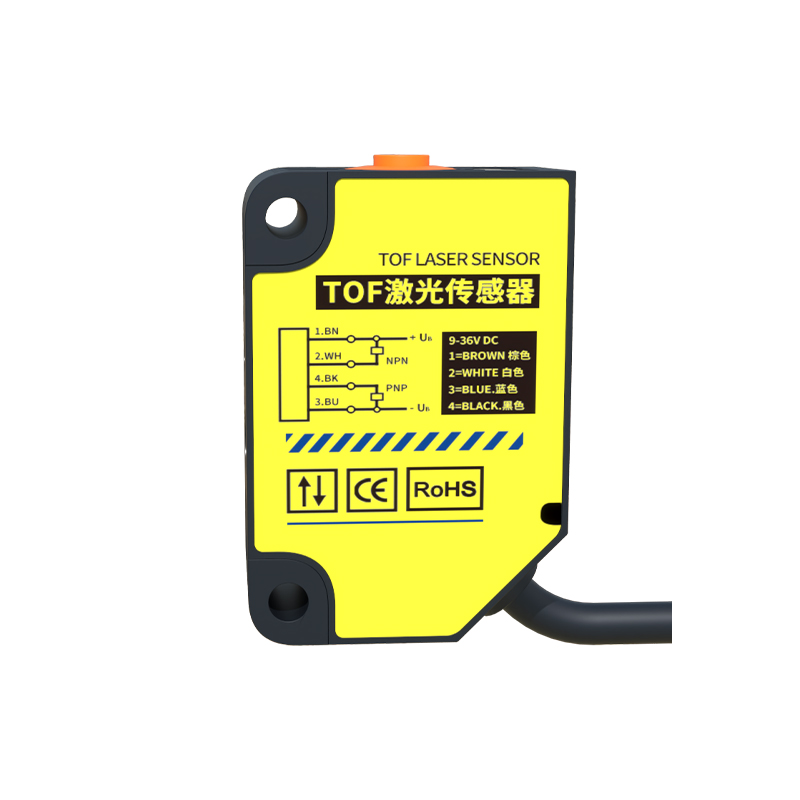
Impact of Threshold on Sensing Reliability
An improperly set threshold is the leading cause of photoelectric sensor failure in the field. A threshold set too high may cause the sensor to miss a low-reflectivity target, resulting in false "absent" signals. Conversely, a threshold set too low can make the sensor overly sensitive, potentially triggering on background reflections, dust particles, or ambient light, leading to false "present" signals. The reliability over time, known as operational durability, is enhanced by setting the threshold with a sufficient safety margin from both extremes. This margin compensates for gradual lens contamination, LED output degradation, and minor environmental changes, ensuring long-term stability without frequent recalibration.
Advanced Features: Automatic Threshold and Diagnostics
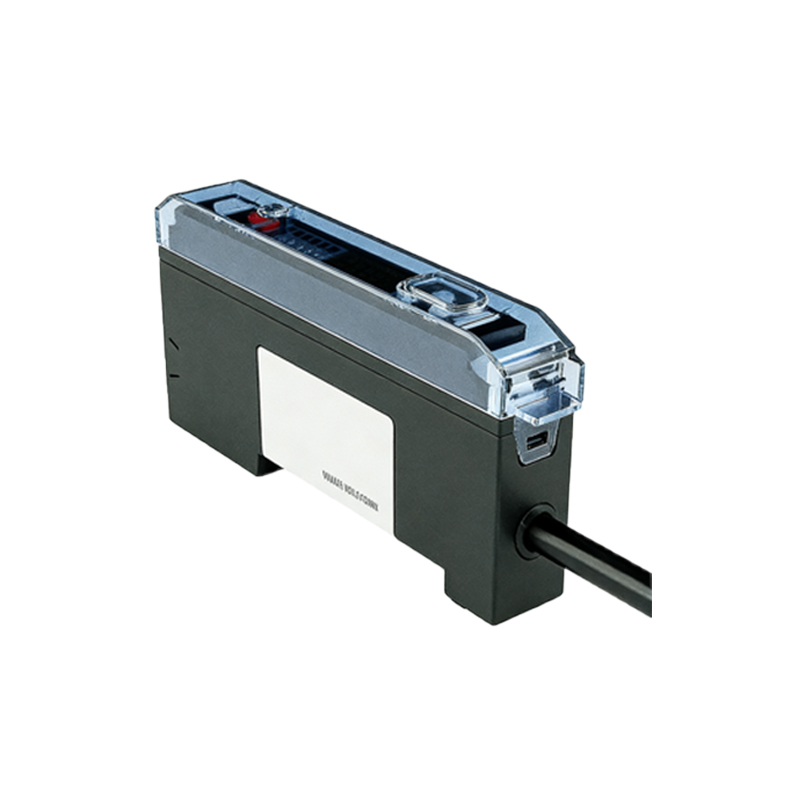
To simplify setup and enhance robustness, many industrial photoelectric sensors now incorporate automatic threshold setting and diagnostic capabilities. An auto-setup function momentarily learns the application's conditions and calculates an optimal threshold with built-in safety margins. Some models feature continuous monitoring of the received signal strength, providing stable output via dynamic threshold adjustment or issuing a pre-warning signal if the signal approaches the threshold limit. These diagnostic outputs, often as a separate wire or via IO-Link communication, enable predictive maintenance, alerting personnel to clean the lens or investigate potential process issues before a failure occurs.
Application-Specific Threshold Considerations
Practical application dictates specific threshold strategies. In packaging, detecting transparent films requires a very precise threshold to distinguish between the film and an empty space. In logistics, sensing varied colored boxes on a conveyor demands a threshold range that accommodates different reflectivities. For aggressive environments like welding cells, sensors require a high threshold to ignore the intense arc glare. Liquid level detection in translucent containers often uses a threshold to differentiate between the light pattern with and without liquid. Understanding these nuances is essential for selecting a sensor with an appropriate threshold adjustment range and resolution for the task.
Conclusion and Best Practices
Mastering the threshold range is fundamental to deploying photoelectric sensors successfully. Best practices include always performing setup under actual operating conditions, accounting for the worst-case scenario (e.g., dirtiest lens, lowest reflectivity target), and utilizing the sensor's hysteresis feature. Regularly verifying the threshold setting as part of preventive maintenance ensures ongoing reliability. By treating the threshold not as a fixed value but as a dynamic application parameter, engineers can maximize detection stability, minimize downtime, and fully leverage the capabilities of modern photoelectric sensing technology in automated systems.