Introduction to the TL-N20MD1 Proximity Sensor
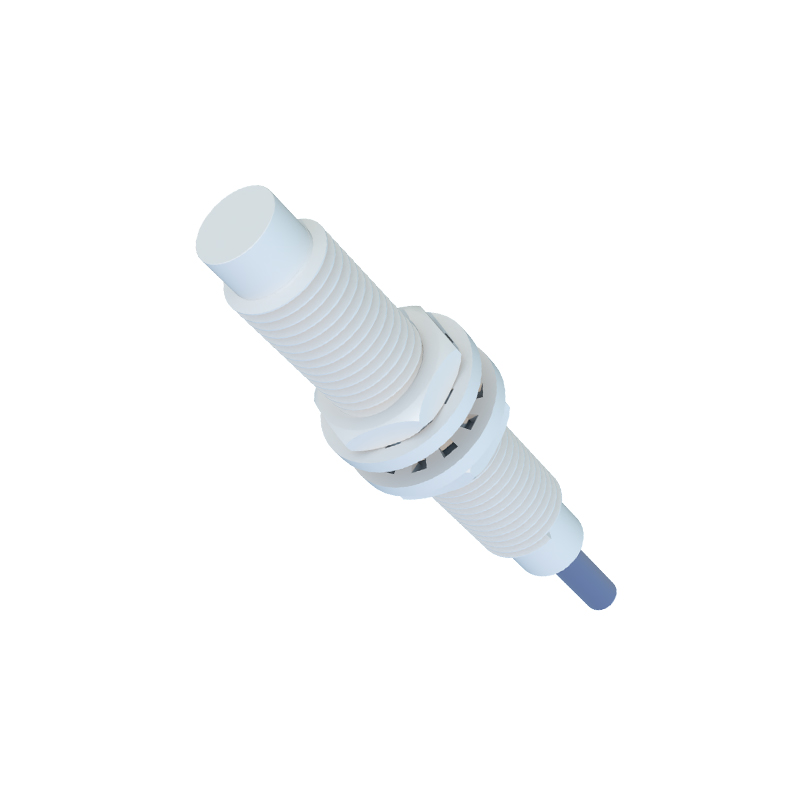
The TL-N20MD1 represents a robust and reliable solution in the field of industrial automation, specifically designed for non-contact object detection. As a cylindrical, shielded inductive proximity sensor, it excels in harsh industrial environments where precision, durability, and consistent performance are paramount. Its core function is to detect the presence or absence of metallic objects without any physical contact, thereby eliminating mechanical wear and enabling high-speed operation. The sensor operates on the principle of electromagnetic induction, where an oscillator generates a high-frequency electromagnetic field from its sensing face. When a metallic target enters this field, eddy currents are induced, causing a change in the oscillator's amplitude. This change is detected by the internal circuitry, which subsequently triggers a solid-state switching output. The TL-N20MD1 is engineered for a standard sensing distance of 2mm, making it ideal for applications requiring precise positioning and detection of small metallic components.
Key Technical Specifications and Features
Understanding the technical parameters of the TL-N20MD1 is crucial for proper integration. This sensor typically operates on a DC supply voltage ranging from 10 to 30 VDC, with a low current consumption, ensuring energy efficiency. It features a normally open (NO) configuration, meaning the output switches on when a target is detected. The output type is a PNP (sourcing) transistor, which is a common standard, providing a positive voltage signal to the load. Its housing is constructed from nickel-plated brass, offering excellent resistance to corrosion and mechanical stress. The sensing face is made of a specialized plastic material (PBT) to optimize the electromagnetic field. A critical feature is its short-circuit and reverse polarity protection, which safeguards the sensor and the connected control system from wiring errors and electrical faults. Furthermore, it boasts an IP67 ingress protection rating, signifying complete protection against dust and the ability to withstand temporary immersion in water, making it suitable for washdown areas or outdoor use.
Installation and Wiring Considerations
Correct installation is fundamental to achieving the sensor's specified performance. The TL-N20MD1's cylindrical M8 housing allows for easy mounting via a standard locknut. It is a shielded (flush-mountable) type, meaning it can be installed flush with a metal surface without a reduction in its nominal sensing range, providing design flexibility and protection from physical damage. When wiring, attention must be paid to the three standard wires: brown for the positive supply voltage (+V), blue for the common negative (0V), and black for the switched output signal. Ensuring proper grounding and avoiding parallel routing of sensor cables with high-voltage power lines are essential practices to prevent electrical noise interference. The sensing axis is radial from the front face, and the installation should maintain the recommended clearance distances from surrounding metals to prevent false triggering or a reduced effective sensing distance.
Application Scenarios in Industrial Automation
The TL-N20MD1 finds extensive use across diverse industrial sectors due to its compact size and reliability. In automated assembly lines, it is frequently employed for part presence verification, such as confirming a screw, nut, or small metal bracket is in place before a robotic arm proceeds with an operation. Within packaging machinery, it can detect the position of metallic components on a conveyor or count metallic items passing a specific point. In machine tools, it serves as an end-of-travel limit switch for slides or tool changers, providing a precise and wear-free alternative to mechanical limit switches. Its robust construction also makes it suitable for use in material handling equipment, automotive manufacturing, and even in food and beverage processing lines where equipment may require frequent cleaning, thanks to its IP67 rating.
Advantages Over Mechanical Switches and Maintenance
The primary advantage of the TL-N20MD1, like all inductive proximity sensors, over traditional mechanical limit switches is the complete absence of moving parts. This results in a dramatically longer operational lifespan, as there is no mechanical wear from physical contact. It enables much higher switching frequencies, allowing detection of rapidly moving objects. Maintenance requirements are minimal, typically limited to periodic cleaning of the sensing face to remove debris, metal chips, or buildup that could attenuate the sensing field. Troubleshooting is straightforward; common issues include incorrect target material (only ferrous and non-ferrous metals are detectable), target size being too small, or wiring faults. Using a multimeter to check supply voltage and output status is the standard diagnostic procedure.
Conclusion and Selection Guidance
The TL-N20MD1 proximity sensor is a fundamental component for modern industrial control systems, offering a perfect blend of precision, durability, and ease of use. When selecting a sensor for an application, engineers must verify that the target material is metallic and