Introduction to USB-Enabled Proximity Sensing
The integration of infrared (IR) proximity sensing with the Universal Serial Bus (USB) interface represents a significant leap in sensor accessibility and system integration. Unlike traditional sensors requiring complex wiring, analog-to-digital converters, and dedicated power supplies, USB infrared proximity sensors offer a plug-and-play solution. They combine an IR LED emitter, a photodiode or phototransistor receiver, signal conditioning circuitry, and a microcontroller with a built-in USB interface on a single compact board. This architecture allows the sensor to communicate directly with a host computer, presenting proximity data as a simple serial data stream or through a standardized human interface device (HID) protocol, drastically simplifying software development and deployment.
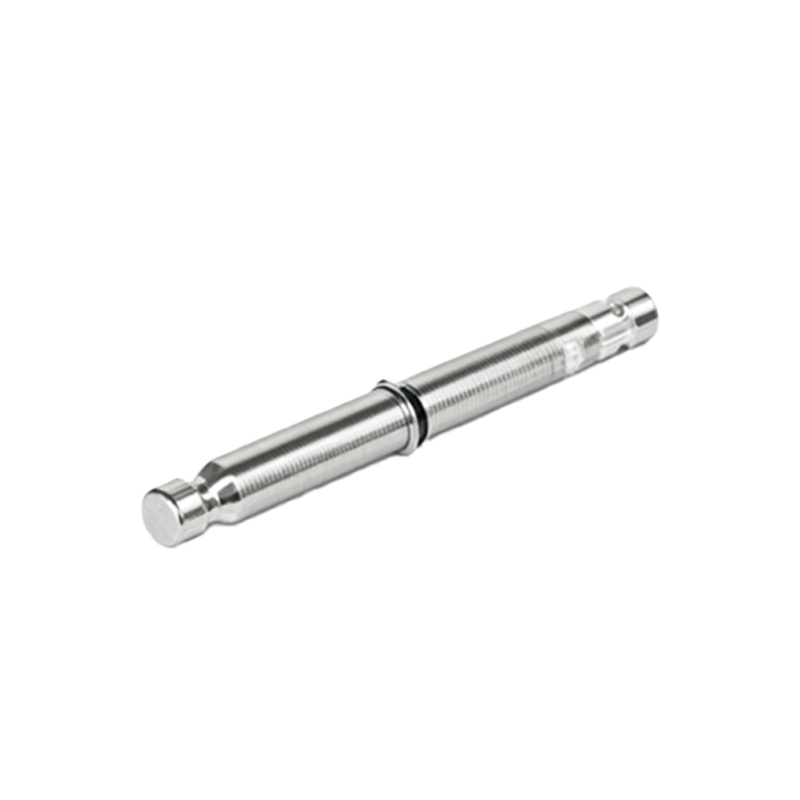
Core Operating Principles and Components
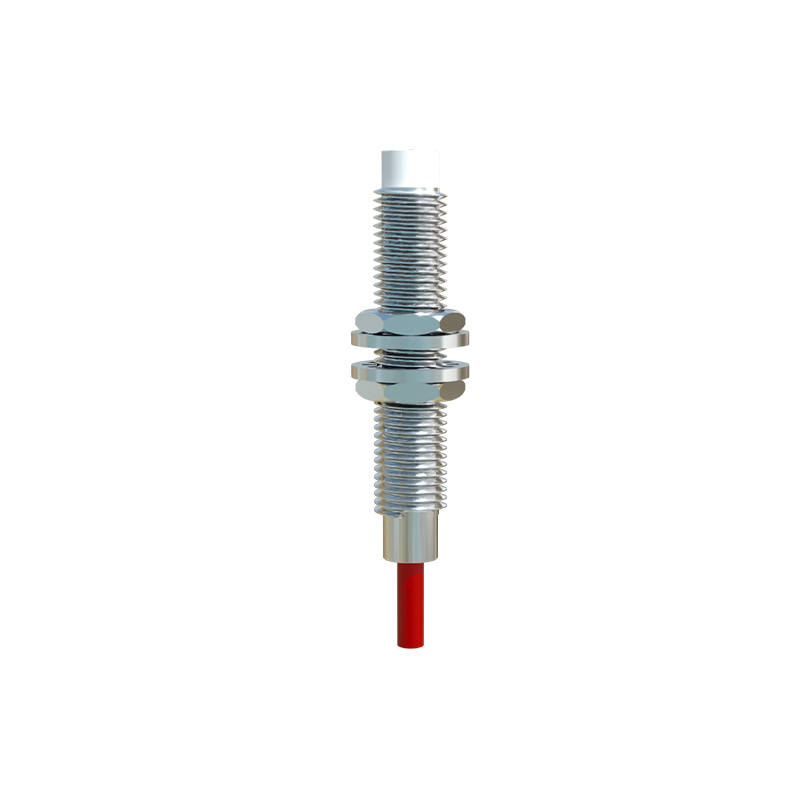
At its heart, a USB IR proximity sensor operates on the principle of modulated light reflection. The internal microcontroller generates a specific frequency to pulse the IR LED. This modulation is critical as it allows the receiver circuit to distinguish the reflected signal from ambient infrared light, such as sunlight or indoor lighting, thereby enhancing accuracy and noise immunity. The reflected IR light is captured by the receiver, and the signal is processed through amplification and filtering stages. The microcontroller then measures the intensity of the returned signal or the phase shift, which correlates to the distance of the object. This processed digital data is packetized and sent via the USB connection, providing not just a raw signal but calibrated distance or presence/absence information.
Key Advantages Over Conventional Interfaces
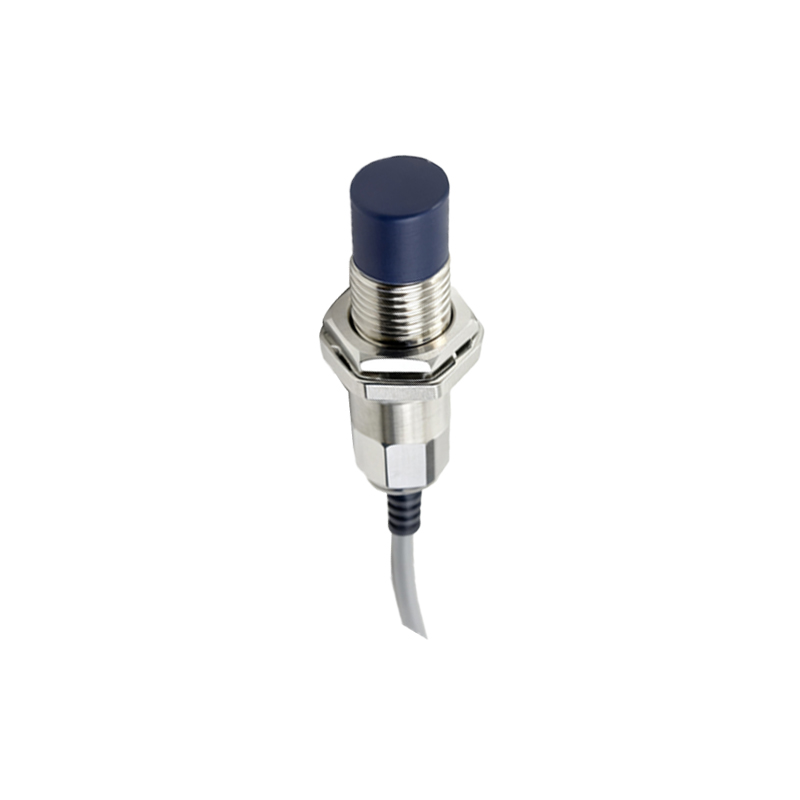
The adoption of USB connectivity confers several compelling advantages. First is the simplified power delivery; the USB port provides a stable 5V DC supply, eliminating the need for an external power source. Second, the digital nature of the USB connection ensures robust data transmission over longer cable lengths without signal degradation common in analog setups. Third, standardization allows for immediate recognition by major operating systems, facilitating rapid prototyping and integration. Furthermore, these sensors can often be daisy-chained or used with USB hubs, enabling the creation of multi-sensor arrays for complex monitoring applications without requiring multiple dedicated controller inputs.
Primary Application Domains
USB infrared proximity sensors find utility across diverse fields due to their ease of use. In human-computer interaction, they are employed for touchless gesture control, screen blanking (turning off a monitor when a user leaves), and presence detection for security or energy-saving systems. In industrial settings, they serve as simple, cost-effective tools for object counting on conveyor belts, jam detection in machinery, or non-contact inspection. Robotics utilizes them for basic obstacle avoidance and docking maneuvers. Their plug-and-play nature also makes them ideal for educational purposes, allowing students to focus on application logic rather than low-level hardware interfacing.
Critical Design and Selection Considerations
Selecting or designing a USB IR proximity sensor requires careful parameter evaluation. The sensing range is paramount, typically varying from a few centimeters to several meters, depending on the LED power and receiver sensitivity. The response time must be compatible with the application speed. The output data format (e.g., raw analog value, calibrated distance in millimeters, simple digital trigger) should align with software requirements. Environmental robustness is another factor; some models feature housings resistant to dust or moisture. Additionally, developers should consider the USB specification (e.g., USB 2.0 is sufficient for most applications) and whether the device presents a virtual COM port or a custom HID profile.
Integration and Software Development
Software integration is remarkably straightforward. On the host computer, the sensor is typically recognized as a serial port device. Developers can use standard libraries in Python, C++, C#, or other languages to open the serial port and read the incoming data stream. Many manufacturers provide software development kits (SDKs) or APIs to abstract the communication layer further. For sensors emulating HID devices, integration can be as simple as reading predefined data packets from a designated input. This ease enables rapid development of applications for data logging, real-time visualization, or triggering system actions based on proximity thresholds. Calibration routines, if necessary, are often handled by the sensor's onboard firmware.
Future Trends and Developments
The future of USB infrared proximity sensors is intertwined with advancements in miniaturization, power efficiency, and intelligence. We are seeing trends towards sensors with integrated multi-spectral sensing (combining IR with visible light or time-of-flight measurement) still presented over a single USB interface. The adoption of USB-C with its higher power delivery and alternate modes could enable even more sophisticated sensor nodes. Furthermore, the