In the demanding world of industrial automation and process control, the ability to detect the presence or absence of an object without physical contact is fundamental. However, when operations involve furnaces, molten metal, engine compartments, or chemical reactors, standard sensors fail. This is where the high temperature proximity sensor becomes not just useful, but indispensable. These specialized devices are engineered to withstand and reliably operate in ambient temperatures that would permanently damage conventional inductive, capacitive, or photoelectric sensors.
The core challenge in high-temperature sensing is the inherent vulnerability of electronic components and materials to thermal degradation. Standard sensors typically have an operating range up to 70-80°C. Beyond this point, semiconductors can malfunction, plastics can deform or melt, and permanent magnets can lose their field strength. High temperature proximity sensors overcome these limitations through a combination of strategic design choices. Firstly, they often employ high-temperature-resistant materials for housing and sensing faces, such as specific grades of stainless steel (e.g., 316L), Inconel, or ceramic. These materials maintain structural integrity and resist corrosion in harsh atmospheres.
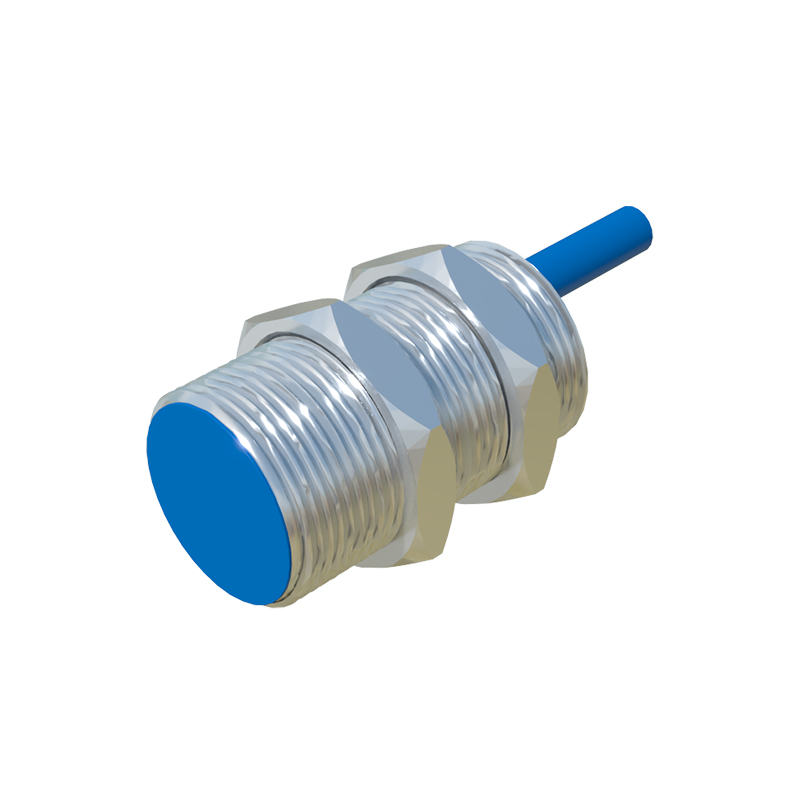
Secondly, and most critically, is thermal management. The most common and effective design philosophy is physical separation. In many high-temperature proximity sensor models, the actual sensing element (a coil for inductive types or a capacitor for capacitive types) and the signal conditioning electronics are housed in a separate, cooler enclosure. This "remote head" or "split design" connects to a sensing face or probe via a high-temperature-resistant cable. The probe, which penetrates into the hot zone, contains only passive, rugged components like a wound coil encased in high-temperature epoxy or ceramic. This allows the sensitive electronics to be mounted several feet away in a controlled environment, often with an ambient temperature limit for the amplifier unit around 70°C, while the sensing face can endure temperatures of 200°C, 400°C, or even higher—with some specialized models rated for continuous exposure above 600°C.
The sensing technology itself is predominantly inductive. High-temperature inductive proximity sensors detect ferrous and non-ferrous metals. Their operation remains based on generating an electromagnetic field; when a metal target enters this field, it causes a change in oscillation amplitude, which is detected by the remote electronics. For non-metallic applications, such as detecting glass or liquid levels in hot environments, high-temperature capacitive sensors are available, using a similar remote-head principle.
The applications for these robust sensors are vast and critical. In metal casting and foundries, they monitor the position of molds, ladles, or the level of molten metal. In glass manufacturing, they control the position of forming equipment near red-hot glass. Within the automotive industry, they are used in paint-drying ovens and on high-temperature testing rigs. In the energy sector, they play roles in turbine monitoring and boiler systems. Their function often extends beyond simple detection to include vital safety interlocks, preventing machinery from operating unless a door is closed on a furnace or a component is correctly positioned before a heating cycle begins.
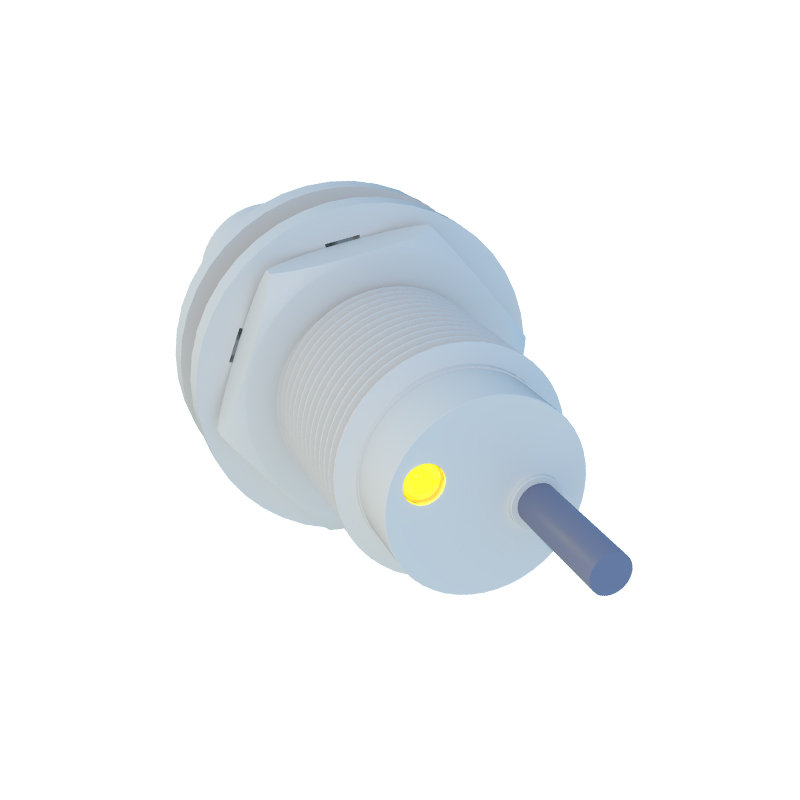
Selecting the right high-temperature proximity sensor requires careful consideration of several parameters beyond just the maximum ambient temperature. The temperature of the target object itself is a separate factor. The required sensing distance, the target material (steel, aluminum, etc.), the need for analog output versus a simple digital switch signal, and the installation environment (presence of steam, chemicals, or metallic dust) all influence the choice. Electrical characteristics like voltage supply, output type (PNP/NPN), and connection style (pre-wired cable or quick-disconnect) must match the control system. Physical size and mounting (threaded barrel or rectangular block) are also practical constraints.
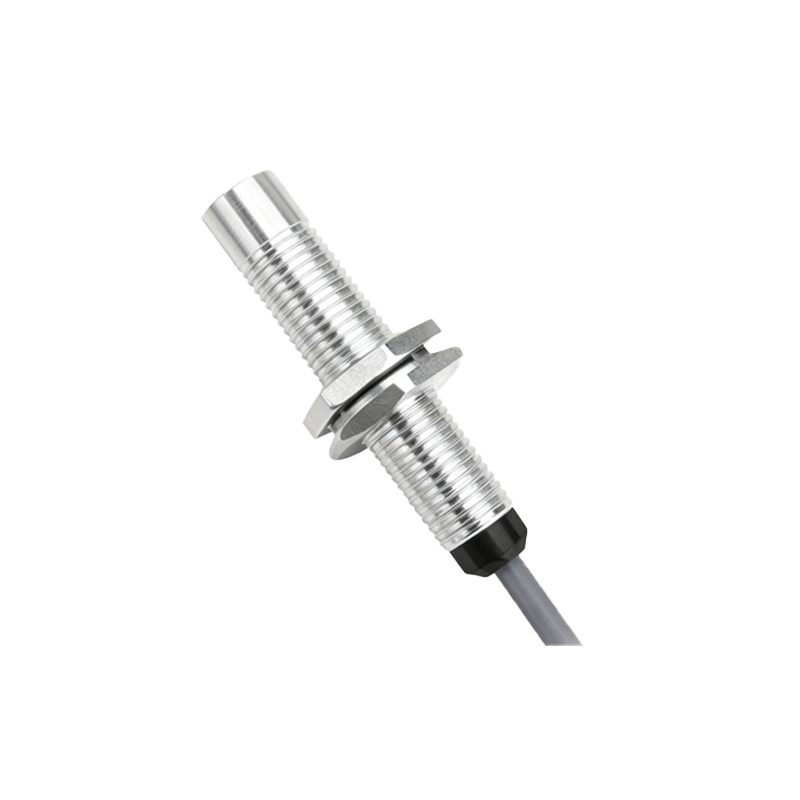
Installation and maintenance best practices are crucial for longevity. Even with a remote-head design, the high-temperature cable must be routed away from other heat sources and protected from mechanical abrasion. Regular checks for buildup of slag, scale, or other contaminants on the sensing face are necessary, as these can reduce the effective sensing range. It is also vital to ensure the sensor's rated temperature is not exceeded, as transient spikes can cause irreversible damage.
In conclusion, high temperature proximity sensors are a niche but vital category of industrial automation components. By cleverly decoupling the sensitive electronics from the extreme heat through remote-head technology and employing ruggedized materials, they provide reliable, non-contact sensing where it was once impossible. Their role in enhancing safety, improving process efficiency, and enabling automation in the most punishing environments makes them a cornerstone technology for modern heavy industry and advanced manufacturing. As processes push toward higher efficiencies and temperatures, the evolution of these sensors will continue, incorporating more advanced materials and smarter diagnostics to meet the ever-growing demands of extreme environment applications.