Introduction to Photoelectric Sensing Technology
Photoelectric sensors are widely used in industrial automation for detecting the presence, absence, or position of objects without physical contact. These sensors operate by emitting a light beam—typically infrared, visible red, or laser—and detecting changes in the received light caused by the target object. For plastic materials, which are prevalent in manufacturing, packaging, and assembly lines, photoelectric sensors offer a reliable and efficient solution. Their non-contact nature minimizes wear and tear, ensuring longevity and reducing maintenance costs. The technology is versatile, adaptable to various plastic types, including transparent, translucent, and opaque variants, making it indispensable in modern industrial settings.
Working Principles for Plastic Detection
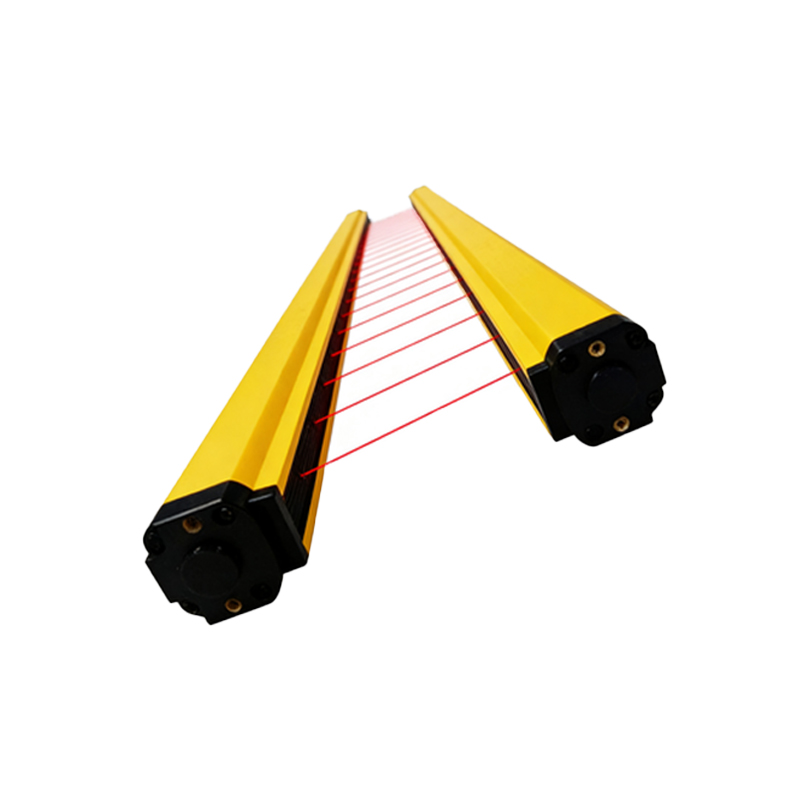
The effectiveness of photoelectric sensors in detecting plastics hinges on their operational modes: through-beam, retro-reflective, and diffuse-reflective. In through-beam mode, a separate emitter and receiver are aligned; when a plastic object interrupts the light beam, the sensor triggers. This mode is highly accurate and suitable for detecting clear plastics, as it relies on beam interruption rather than reflectivity. Retro-reflective mode uses a reflector to bounce light back to the receiver, with detection occurring when the plastic object breaks the beam. Diffuse-reflective mode, where the sensor emits light and detects reflections from the object itself, is ideal for opaque or colored plastics but may struggle with transparent materials due to low reflectivity. Advanced sensors incorporate background suppression or polarization filters to enhance performance with challenging plastics.
Challenges in Sensing Plastic Materials
Detecting plastics with photoelectric sensors presents unique challenges, primarily due to the material's optical properties. Transparent plastics, such as PET or polycarbonate, can allow significant light transmission, leading to false negatives if not properly configured. To address this, sensors with adjustable sensitivity or specialized lenses can be employed. Additionally, glossy plastic surfaces may cause specular reflections that interfere with detection, requiring sensors with anti-glare features. Environmental factors like dust, humidity, or ambient light in industrial settings can also affect reliability. Selecting sensors with robust housings (e.g., IP67 ratings) and stable light sources mitigates these issues, ensuring consistent operation across diverse conditions.
Applications in Plastic Industry Processes
Photoelectric sensors play a critical role in various plastic-related industries. In injection molding, they detect ejected parts on conveyor belts, ensuring smooth production flow. For packaging, sensors verify the presence of plastic bottles or containers before labeling or capping, reducing waste and errors. In recycling facilities, they sort plastics by color or type, enhancing efficiency and purity. Automotive manufacturing relies on these sensors to position plastic components during assembly, such as dashboards or light covers. By integrating with PLCs (Programmable Logic Controllers), photoelectric sensors enable automated control, improving throughput and quality in high-speed operations.
Selection Criteria for Optimal Performance
Choosing the right photoelectric sensor for plastic detection depends on several factors. First, consider the plastic's characteristics: transparency, color, and surface finish. For transparent plastics, through-beam sensors are preferred, while diffuse-reflective models work well with opaque ones. The sensing range must match the application distance, with laser sensors offering precision for small or distant objects. Response time is crucial in fast-paced lines; high-speed sensors with microsecond reactions prevent bottlenecks. Environmental durability, including resistance to chemicals or temperature extremes, ensures longevity in harsh plants. Lastly, connectivity options (e.g., IO-Link or analog outputs) facilitate integration into smart factory systems for data monitoring and analytics.
Future Trends and Innovations
The evolution of photoelectric sensors for plastic detection is driven by Industry 4.0 and IoT (Internet of Things) advancements. Smart sensors with embedded diagnostics can predict maintenance needs, reducing downtime. Enhanced algorithms allow for better discrimination between plastic types, aiding in complex sorting tasks. Miniaturization enables installation in tight spaces, expanding application possibilities. Additionally, the integration of AI (Artificial Intelligence) with sensor data optimizes processes in real-time, such as adjusting sensitivity based on plastic batch variations. As sustainability gains emphasis, these sensors will further support recycling efforts by improving material identification accuracy, contributing to circular economy goals in the plastic industry.