Understanding Photoelectric Proximity Sensor Technology
Photoelectric proximity sensors are indispensable components in modern industrial automation, offering non-contact detection of objects through the use of a light transmitter and receiver. The core principle involves emitting a beam of light—typically infrared, visible red, or laser—and detecting changes in the received light signal caused by the presence or absence of a target object. This technology excels in detecting a wide variety of materials, including glass, metal, plastic, and liquids, over distances ranging from a few millimeters to several meters. The versatility and reliability of these sensors make them a preferred choice for applications in packaging, material handling, assembly lines, and safety systems. Their ability to provide precise, high-speed detection without physical contact minimizes wear and tear, leading to lower maintenance costs and increased system uptime in demanding industrial environments.
Key Factors Influencing Sensor Pricing
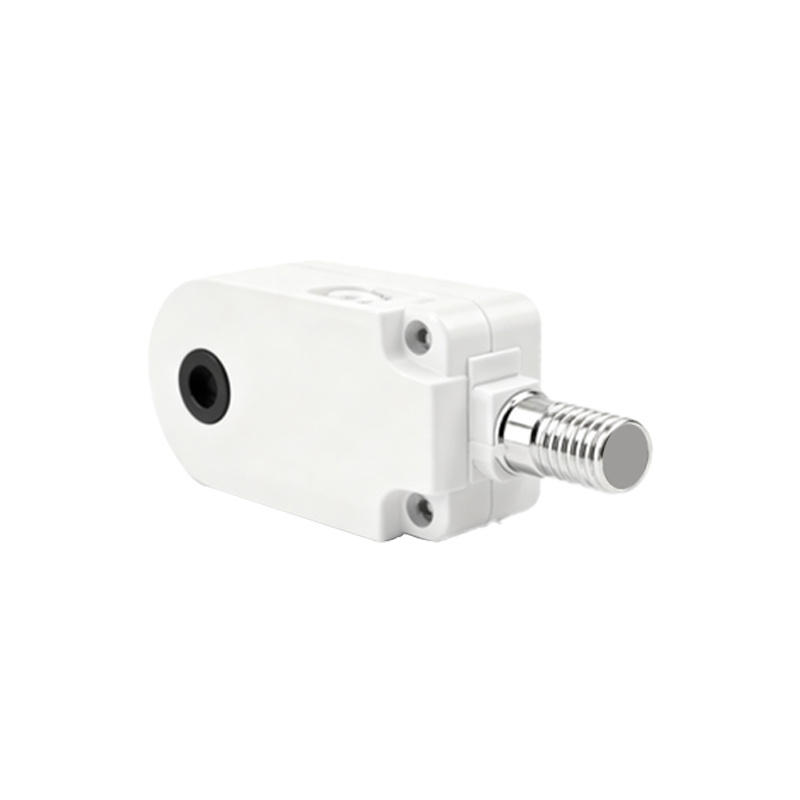
The cost of a photoelectric proximity sensor is not a single fixed number but a spectrum determined by several critical technical and commercial factors. First and foremost is the sensing mode: diffuse (proximity), retro-reflective, or through-beam. Through-beam sensors, with separate emitter and receiver units, often command a higher price due to their superior range and reliability in harsh conditions. Retro-reflective models fall in the mid-range, while diffuse sensors are generally the most economical. Detection range is another major cost driver; a sensor with a 20-meter range will be significantly more expensive than one with a 2-meter range. Furthermore, specialized light sources like precise laser diodes add cost compared to standard LED emitters. Environmental ratings, particularly Ingress Protection (IP) ratings for dust and water resistance (e.g., IP67, IP69K) and robust housing materials like stainless steel for washdown or corrosive environments, substantially increase the price. Finally, advanced features such as background suppression, precise analog output, programmability via IO-Link, and integrated diagnostics all contribute to a higher unit cost.
Market Price Range Breakdown
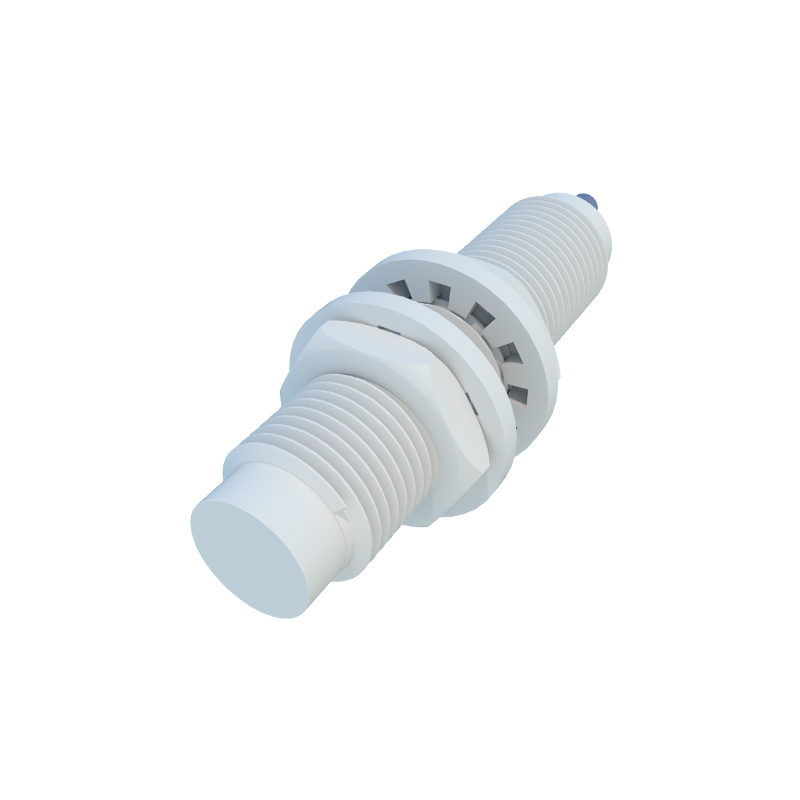
Navigating the market reveals a broad price range for photoelectric sensors, typically categorized into three tiers. Entry-level or standard sensors, suitable for basic detection tasks in benign environments, can range from approximately $20 to $80 USD. These are often diffuse or retro-reflective models with moderate range, plastic housings, and basic switching outputs. Mid-range industrial sensors, which represent the most common purchase for professional automation, typically fall between $80 and $250 USD. This tier includes robust sensors with longer ranges, higher IP ratings, metal housings, and features like teach-in functionality or adjustable sensitivity. High-end or specialized sensors form the top tier, with prices ranging from $250 to well over $800 USD per unit. This category includes ultra-long-range sensors, high-precision laser models for positioning, extremely compact designs for tight spaces, and sensors built for extreme temperatures or hazardous areas. It is crucial to remember that list prices are often subject to volume discounts for OEM or large-scale project purchases.
The Total Cost of Ownership Perspective
While the initial purchase price is a primary concern, a savvy engineer must evaluate the Total Cost of Ownership (TCO). A cheaper sensor that fails prematurely or causes production downtime due to false triggers can be far more expensive in the long run. Key TCO considerations include reliability and mean time between failures (MTBF), which are often linked to brand reputation and component quality. Compatibility with existing control systems and wiring infrastructure can reduce installation time and complexity. Availability of spare parts and technical support, including comprehensive documentation and responsive application engineering, adds intangible value. Furthermore, sensors with features like IO-Link can reduce future costs by enabling predictive maintenance, remote configuration, and detailed process data collection, integrating seamlessly into Industry 4.0 frameworks. Investing in a slightly more capable and reliable sensor often yields a lower TCO through reduced downtime and maintenance.
Procurement Strategies and Best Practices
To secure the best value, procurement should follow a structured approach. Begin by meticulously defining the application requirements: required sensing distance, target material and size, required response speed, environmental conditions (temperature, contaminants, washdown), and necessary output type (PNP/NPN, analog, IO-Link). Request detailed quotations from multiple reputable suppliers, including both global brands and specialized manufacturers. Always clarify what is included in the price, such as mounting brackets, connector cables, or focusing tools. For large projects, inquire about project pricing or framework agreements. Consider the supplier's lead times, local stock availability, and return policies. Engaging with distributors who offer value-added services like sensor configuration, testing, and technical training can be highly beneficial. Ultimately, the goal is to find the optimal balance between performance, durability, and cost, ensuring the selected sensor