In the realm of industrial automation and machinery, proximity sensors are indispensable components for detecting the presence or absence of objects without physical contact. However, the critical link between the sensor and the control system—the connector or sensor cable assembly—is often an afterthought. This oversight can lead to system failures, downtime, and increased maintenance costs. Understanding proximity sensor connectors, their types, key specifications, and proper application is essential for ensuring reliable and long-lasting operation.
A proximity sensor connector, commonly referred to as a sensor cable, quick-disconnect, or M12 connector in many industrial contexts, serves as the electrical and mechanical interface. Its primary functions are to transmit the sensor's signal (e.g., PNP/NPN, analog, IO-Link) and supply power reliably from the control cabinet to the sensor head, while also providing robust environmental protection. The choice of connector directly impacts the sensor's performance, immunity to electrical noise, and physical resilience.
Several standardized connector families dominate the market, with the M12 connector being the most prevalent for standard cylindrical proximity sensors. Known for its compact size, circular shape, and threaded coupling nut, the M12 connector typically comes in 3-pin, 4-pin, or 5-pin configurations, catering to different sensor functions (e.g., 3-pin for basic switching, 4-pin for dual-output or analog, 5-pin for IO-Link communication). The coding system (A-coded for sensors/actuators, B-coded for fieldbus, etc.) prevents mismating and ensures compatibility.
For sensors requiring higher current capacity or in more demanding environments, the M8 connector offers a smaller alternative, while larger M16 or M23 connectors are used for specific high-power or multi-conductor applications. Beyond these circular standards, rectangular mini-style connectors and proprietary quick-disconnect plugs are also common, especially on certain sensor models from major manufacturers.
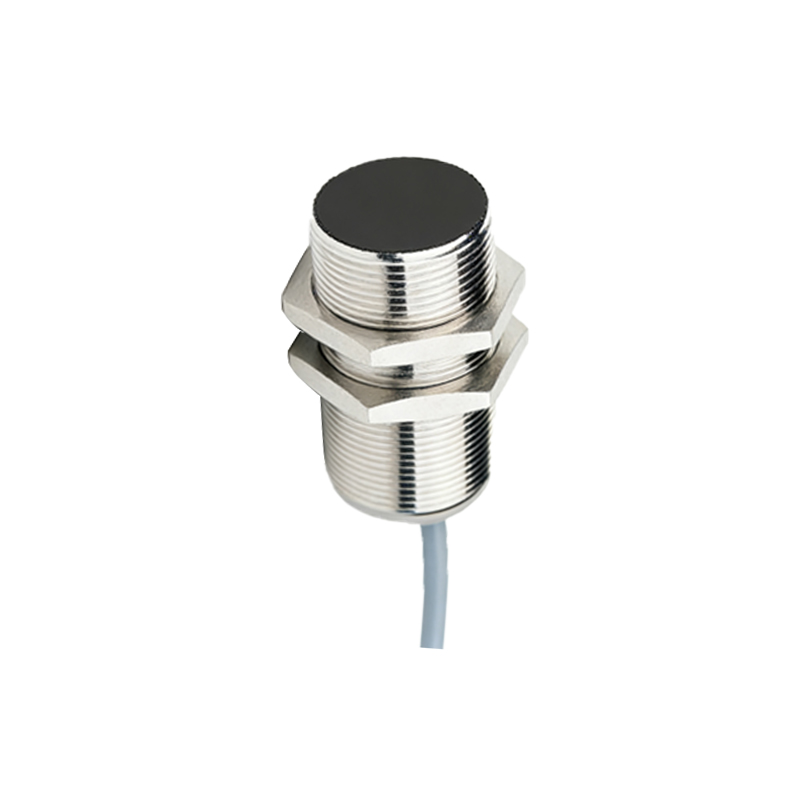
Selecting the right connector involves evaluating several critical parameters beyond just the form factor. The IP (Ingress Protection) rating is paramount; a rating of IP67 or IP68 is standard for connectors exposed to dust, coolants, or washdown conditions, ensuring they are dust-tight and can withstand temporary or prolonged immersion in water. The material of the connector body—typically nickel-plated brass, stainless steel, or high-grade industrial plastic (PBT)—determines its resistance to corrosion, chemicals, and mechanical impact.
Electrical characteristics are equally vital. The voltage and current rating must match or exceed the sensor's requirements. Shielding is a non-negotiable feature in environments with significant electromagnetic interference (EMI) from motors, drives, or welding equipment; a braided shield integrated into the cable and properly terminated at the connector end is crucial for signal integrity. The cable itself varies in jacket material (PUR for oil resistance, PVC for general use) and flexibility, chosen based on the application's motion and stress requirements.
Installation practices significantly influence longevity. Proper strain relief at the connector junction prevents wire breakage from constant flexing or pulling. Ensuring a clean, tight connection with the correct torque (often specified for threaded connectors) maintains the IP seal. For field-wireable connectors, meticulous attention to the pin assignment according to the sensor's datasheet is essential to prevent damage. Pre-molded, factory-assembled cables, while less flexible on-site, offer superior and guaranteed sealing reliability.
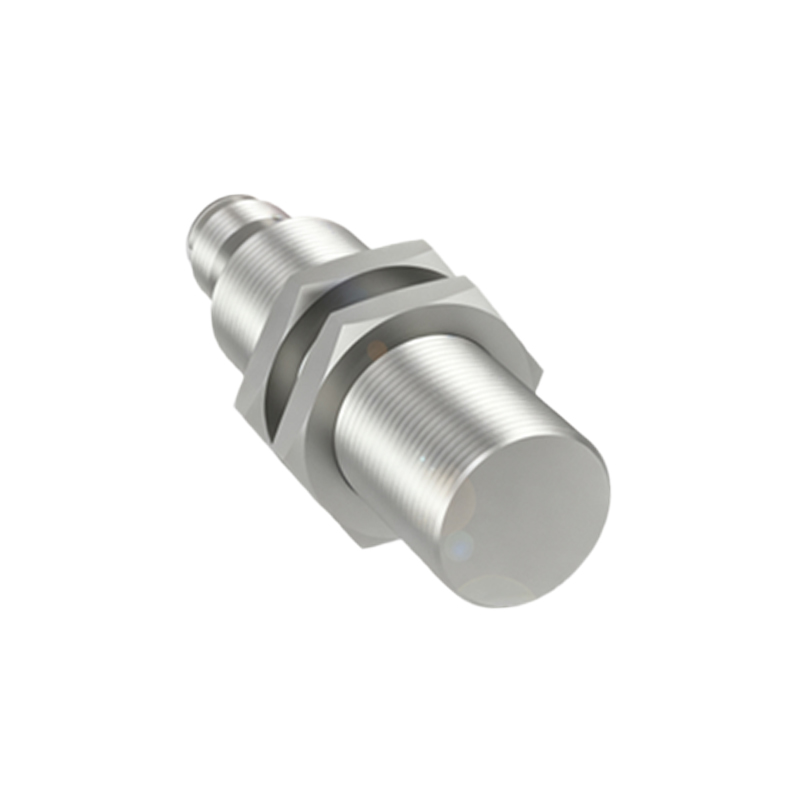
Common failure modes often trace back to connector issues: moisture ingress due to a damaged seal, broken wires from inadequate strain relief, or signal corruption from poor shielding. Implementing a proactive maintenance routine that includes inspecting connectors for physical damage, corrosion, and seal integrity can prevent unexpected failures.
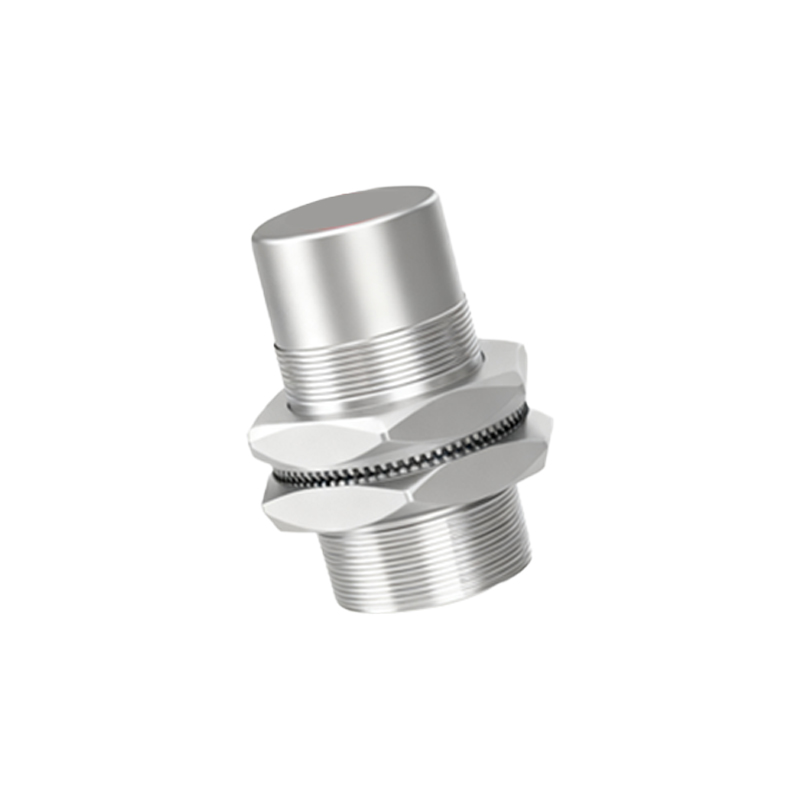
In conclusion, the proximity sensor connector is far from a simple accessory. It is a vital subsystem that demands careful selection based on mechanical design, environmental exposure, electrical needs, and installation context. By specifying and installing the correct connector with the same rigor applied to the sensor itself, engineers and maintenance personnel can build more robust, dependable, and efficient automated systems, minimizing downtime and maximizing productivity.