Understanding Magnetic Proximity Sensors
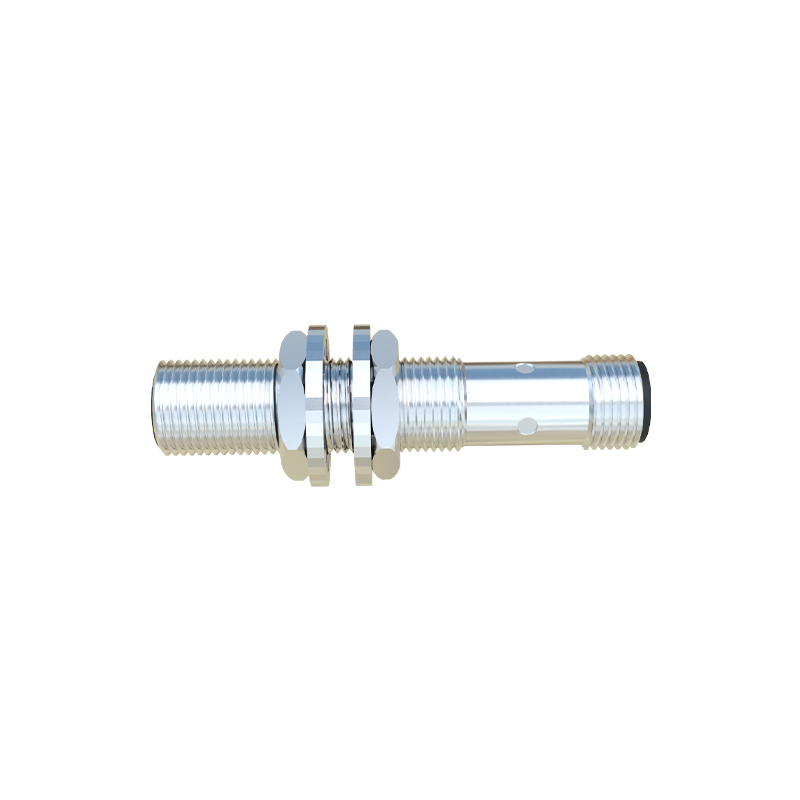
Magnetic proximity sensors are vital components in modern industrial automation. They operate by detecting the presence or absence of a magnetic field, typically generated by a permanent magnet. Unlike other sensor types, they do not require physical contact with the target, making them exceptionally reliable in harsh environments filled with dust, oil, or moisture. Their primary function is to provide a switching signal when a magnetic object, like a piston in a cylinder or a gear tooth, comes within a specified range. This non-contact detection ensures long operational life and minimal maintenance, which is crucial for continuous production lines and heavy machinery. The fundamental principle relies on a reed switch or a solid-state Hall-effect element that reacts to changes in the magnetic field, translating this into an electrical signal for the control system.
Key Criteria for Supplier Selection
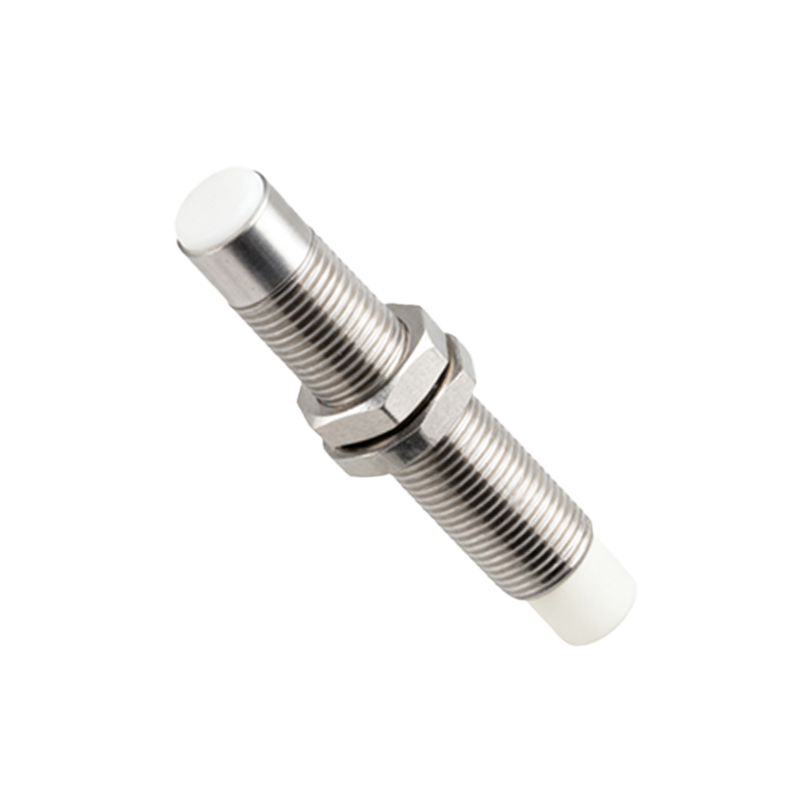
Selecting a supplier goes beyond comparing price lists. The first criterion is product quality and reliability. A reputable supplier should provide sensors with robust construction, high ingress protection (IP) ratings, and certifications like UL, CE, or ATEX for hazardous areas. Consistency in performance across batches is non-negotiable. Secondly, evaluate their technical expertise and support. Can their application engineers help you solve complex integration challenges? Do they offer comprehensive datasheets, CAD models, and detailed specifications? Thirdly, consider the breadth of their product portfolio. A supplier offering a wide range of sensing distances, output types (PNP/NPN, analog, IO-Link), housing materials (stainless steel, brass, PBT), and connection styles provides greater flexibility for your diverse applications.
The Importance of Customization and Engineering Support
Off-the-shelf solutions do not always fit unique application requirements. A top-tier magnetic proximity sensor supplier distinguishes itself through customization capabilities and deep engineering support. This may involve modifying sensing distances, creating special housing shapes for tight spaces, or developing connectors for specific cable assemblies. The supplier's engineering team should be proactive in understanding your system's mechanical constraints, electrical noise environment, and performance expectations. They should conduct rigorous testing, such as temperature cycling, shock, and vibration tests, to validate the sensor's suitability. This collaborative partnership ensures the sensor is not just a component but an optimized solution that enhances your machine's overall reliability and efficiency.
Global Supply Chain and Logistics Capabilities
In today's interconnected manufacturing landscape, a supplier's logistical prowess is as critical as their technical capabilities. Assess their global footprint, distribution network, and inventory management. Can they guarantee consistent supply and on-time delivery to your facilities worldwide? Reliable suppliers often employ Vendor Managed Inventory (VMI) or consignment stock programs to reduce your inventory carrying costs and prevent production stoppages. Furthermore, their ability to navigate international trade regulations, provide proper documentation, and offer flexible shipping options minimizes procurement headaches. A robust supply chain demonstrates the supplier's stability and commitment to being a long-term partner, safeguarding your operations against market volatility and unforeseen disruptions.
Evaluating Long-Term Partnership Value
The cheapest option often carries hidden costs. When choosing a magnetic proximity sensor supplier, evaluate the total cost of ownership and the value of a long-term partnership. This includes factors like the mean time between failures (MTBF), warranty terms, and the cost and speed of replacement parts. A supplier invested in research and development will continuously improve products, offering backward-compatible upgrades and innovations that future-proof your investments. Their commitment to training—through webinars, whitepapers, or on-site sessions—empowers your maintenance teams. Ultimately, a true partner contributes to your operational excellence by ensuring sensor reliability, reducing downtime, and providing unwavering support throughout the product lifecycle, from initial design to decommissioning.