Introduction to Proximity Sensing Technology
Proximity sensors are fundamental components in modern industrial automation, providing non-contact detection of objects within a defined range. These devices operate on various principles, including inductive, capacitive, ultrasonic, and photoelectric sensing. Their primary function is to detect the presence or absence of an object without physical contact, thereby eliminating mechanical wear and enabling high-speed, reliable operation in harsh environments. The selection of a specific sensor type is critically dependent on the target material and the environmental conditions, often categorized metaphorically by engineers as challenges posed by "water," "wood," and "wind"—representing liquids, non-metallics, and environmental interference, respectively.
Confronting the "Water" Challenge: Liquid Detection and Resistance
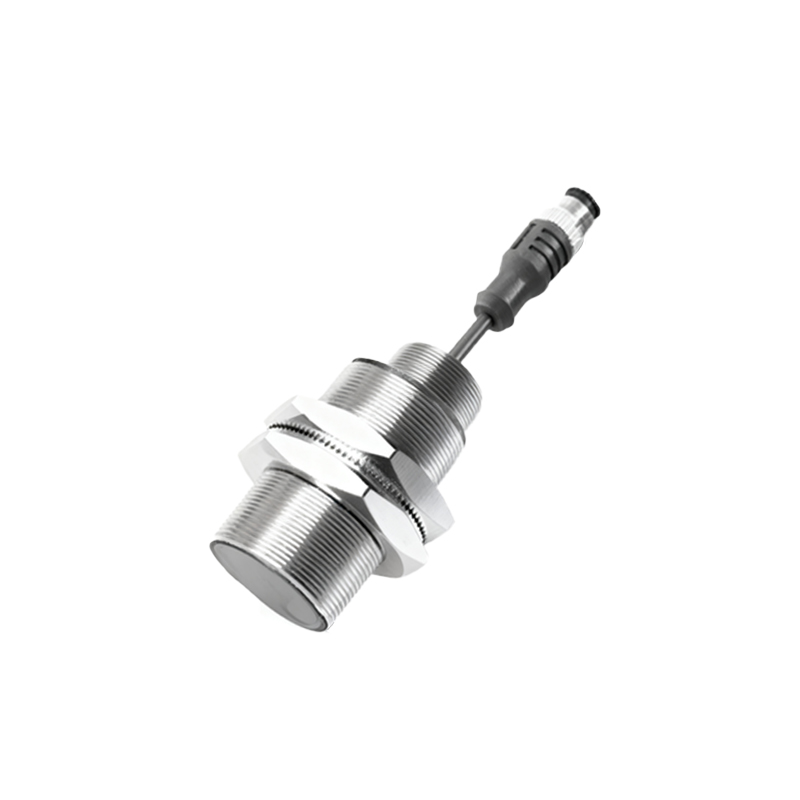
Applications involving liquids, or "water" scenarios, present unique challenges such as corrosion, condensation, and submersible requirements. For detecting liquid levels or the presence of containers, capacitive proximity sensors are exceptionally effective. Unlike inductive sensors that detect only metals, capacitive sensors can detect liquids, plastics, glass, and wood by measuring changes in capacitance. For harsh, wet environments, sensors with high Ingress Protection (IP) ratings, such as IP67 or IP69K, are mandatory. These sensors are hermetically sealed to prevent water and chemical ingress. Materials like stainless steel (e.g., 316L) or specialized plastics (PPS, PVDF) are used for housings to resist corrosion from coolants, washdown fluids, or seawater, ensuring longevity in food processing, pharmaceutical, and marine applications.
Navigating the "Wood" Element: Non-Metallic Object Detection
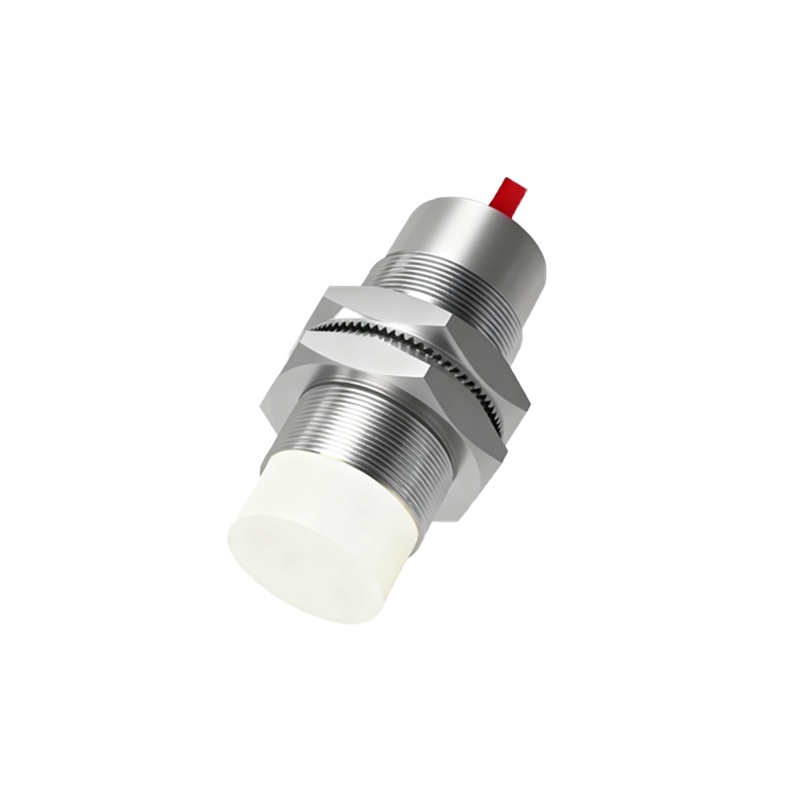
The "wood" category symbolizes all non-metallic materials, which are invisible to standard inductive proximity switches. Here, capacitive and photoelectric sensors become the tools of choice. Capacitive sensors, as mentioned, detect materials based on their dielectric constant. They can sense wood, paper, cardboard, ceramics, and granular materials through non-metallic container walls, making them ideal for packaging, lumber, and material handling industries. Photoelectric sensors, utilizing infrared or laser light, offer another solution. Through-beam sensors provide long-range detection, while diffuse-reflective sensors detect objects based on light reflection. For transparent objects like glass or clear films, polarized retro-reflective or background suppression sensors are employed to ensure reliable detection despite challenging surface properties.
Mastering the "Wind" Factor: Environmental Interference and Stability
"Wind" represents environmental variables like temperature fluctuations, airborne contaminants (dust, chips), electromagnetic interference (EMI), and vibration. These factors can cause false triggering or sensor failure. To combat EMI, sensors with robust shielding and stable frequency-hopping circuits are utilized. For environments filled with particulates (e.g., sawdust, flour), sensors with smooth housings and high IP ratings prevent accumulation. Temperature stability is crucial in foundries or outdoor applications; sensors with wide operating temperature ranges (e.g., -25°C to 70°C) and thermal compensation circuits are specified. Ultrasonic proximity sensors excel in challenging "windy" conditions with dust, smoke, or varying light, as sound waves are largely unaffected by these visual obstructions, providing consistent detection of objects regardless of color or material.
Selection Criteria and Integration Best Practices
Selecting the correct proximity sensor requires a systematic analysis. First, identify the target material (metal, liquid, plastic). Second, define the sensing distance, considering both the nominal range and necessary safety margin. Third, assess the environmental conditions: temperature, presence of liquids or contaminants, and potential for shock/vibration. Electrical specifications are equally vital: operating voltage (10-30V DC, 20-250V AC), output type (PNP/NPN, NO/NC), and connection method (pre-wired, quick-disconnect). For integration, ensure proper mounting to avoid mutual interference between sensors. Adequate shielding and grounding of cables minimize electrical noise. Regular maintenance, including lens cleaning for photoelectric sensors and checking for physical damage or buildup, is essential for sustained system reliability.
Future Trends and Technological Advancements
The future of proximity sensing is driven by Industry 4.0 and the Industrial Internet of Things (IIoT). Modern sensors are evolving into intelligent devices with integrated IO-Link communication. This digital interface allows for parameter setting, real-time diagnostics, and process data monitoring remotely, enabling predictive maintenance. Furthermore, advancements in miniaturization allow for sensors in extremely compact spaces without sacrificing performance. The development of hybrid sensors that combine multiple sensing principles (e.g., inductive and capacitive in one housing) offers greater application flexibility. As automation demands grow more complex, proximity sensors will continue to be