Understanding Oil-Resistant Proximity Sensors
In demanding industrial settings, the presence of oils, coolants, and other aggressive fluids poses a significant challenge to the longevity and reliability of electronic components. High-quality oil-resistant proximity sensors are specifically engineered to withstand these harsh conditions, providing consistent and accurate non-contact detection of metallic or non-metallic objects. Unlike standard sensors, these specialized devices incorporate robust housing materials, such as stainless steel (V2A, V4A) or specially formulated plastics like PBT or PPS, and feature advanced sealing technologies. The core function remains the same—detecting the presence or absence of a target without physical contact—but the construction is fortified against the degrading effects of petroleum-based oils, synthetic coolants, greases, and other contaminants commonly found in machining, automotive, food & beverage, and heavy machinery applications. This resilience is not merely an optional feature but a critical requirement for maintaining uninterrupted production flow and reducing maintenance costs.
Key Design Features and Construction
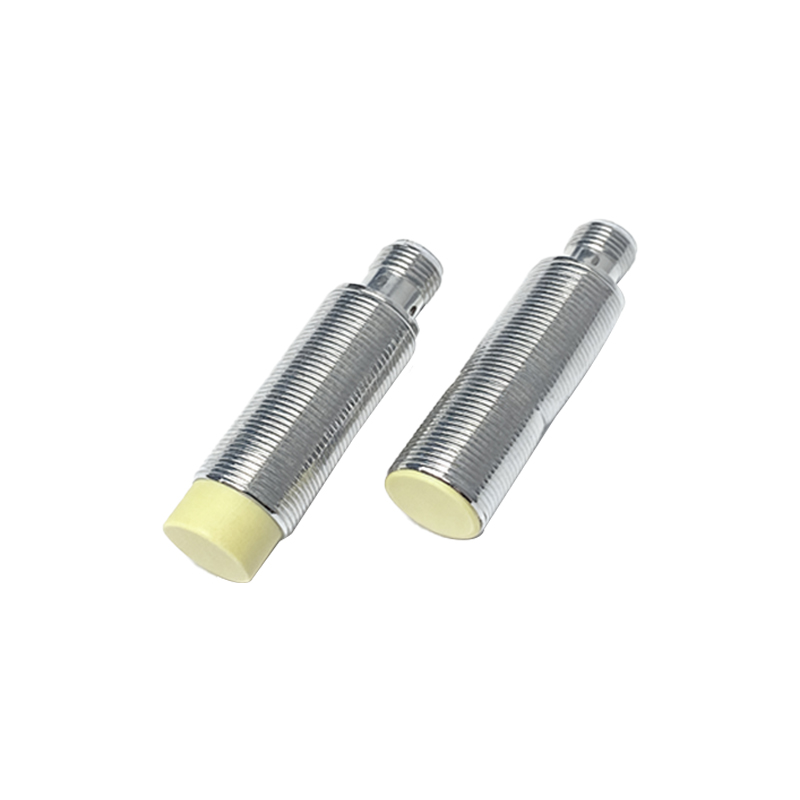
The superiority of a premium oil-resistant inductive proximity sensor lies in its meticulous design. The sensing face is typically protected by a layer of a chemically resistant material, such as PTFE (Polytetrafluoroethylene) or a specialized epoxy resin, which prevents oils from penetrating and damaging the internal coil and electronics. The housing seals are paramount; high-grade models utilize multiple sealing rings, often made from fluorocarbon rubber (FKM/Viton) or ethylene propylene diene monomer (EPDM), which maintain their elasticity and sealing properties even after prolonged exposure to hot oils. Furthermore, the internal potting compound—a resin that encases the electronic circuitry—is formulated to resist swelling, cracking, or dissolution when in contact with hydrocarbons. These design elements work in concert to achieve high ingress protection ratings, typically IP67, IP68, or IP69K, ensuring the sensor is protected against both oil immersion and high-pressure washdowns. The choice of sensing technology, whether inductive, capacitive, or magnetic, is also tailored to the specific application and the nature of the target material.
Performance Advantages in Real-World Applications
Deploying high-quality oil-resistant sensors translates directly into operational advantages. The most immediate benefit is dramatically increased service life. In an automotive engine block machining line, for instance, where sensors are constantly exposed to cutting oils and metal shavings, a standard sensor might fail within months, while an oil-resistant variant can operate reliably for years. This durability minimizes unplanned downtime for sensor replacement, a critical factor in high-volume manufacturing where every minute of stoppage incurs significant cost. Secondly, these sensors maintain a stable sensing range and switching point accuracy. Oils and contaminants can coat a standard sensor, causing false triggers or failure-to-detect errors. Oil-resistant designs prevent this buildup or are unaffected by it, ensuring consistent detection of parts on a conveyor, precise positioning in assembly robots, or reliable feedback in hydraulic systems. This consistency is vital for automated process quality and safety.
Critical Selection Criteria for Engineers
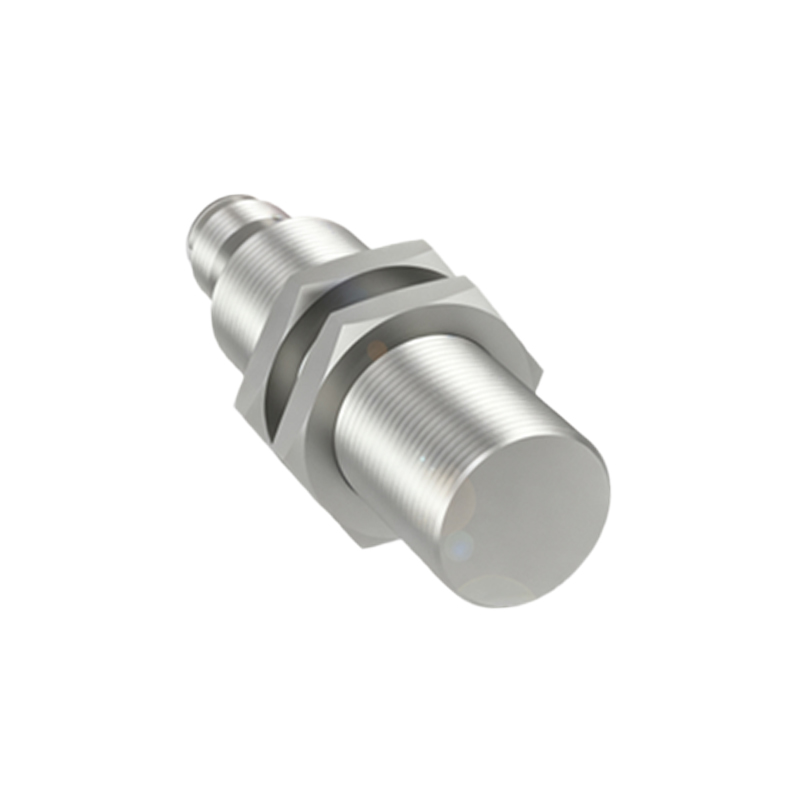
Selecting the appropriate oil-resistant proximity sensor requires careful analysis of the application parameters. First, identify the specific fluid type and concentration. A sensor resistant to mineral oil may not withstand a synthetic ester-based fluid. Request detailed chemical resistance charts from the manufacturer. Second, consider the temperature range, as both the ambient temperature and the temperature of the fluid itself will affect seal performance and sensor electronics. Third, evaluate the required sensing distance, target material, and output type (e.g., PNP, NPN, analog, IO-Link). Fourth, verify the mechanical requirements: thread size (e.g., M8, M12, M18), housing shape (cylindrical, rectangular), and connection type (cable or connector). Finally, do not overlook certifications. For industries like food processing, sensors may need specific approvals (e.g., FDA-compliant materials, EHEDG, 3-A) to ensure they can be cleaned with aggressive detergents without degrading.
Maintenance and Long-Term Reliability
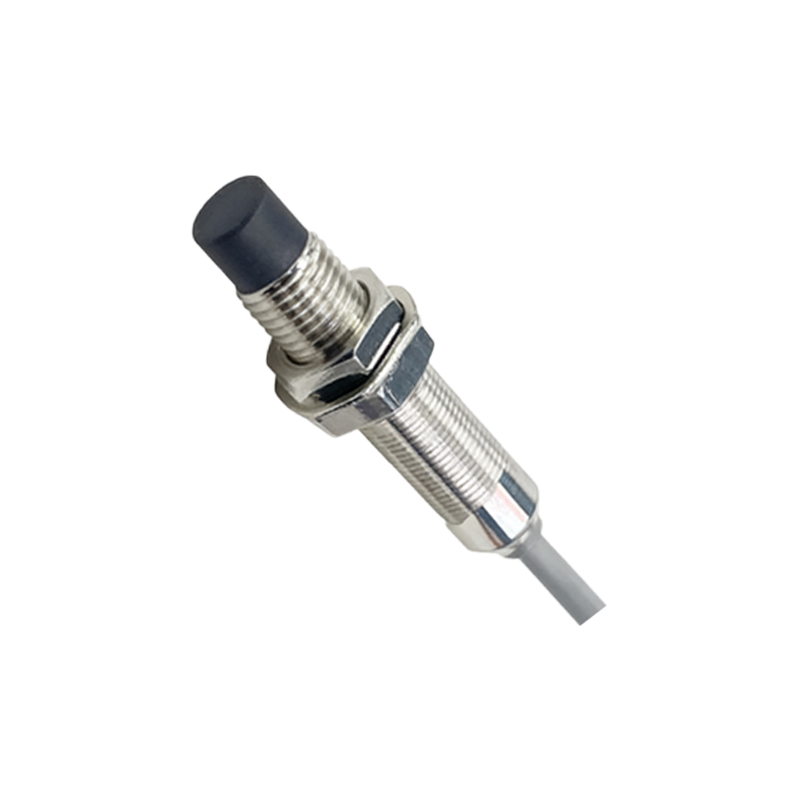
While designed for minimal maintenance, even the highest quality oil-resistant sensors benefit from a proactive approach. Regular visual inspections for physical damage or excessive buildup are recommended. If buildup occurs, cleaning with a solvent compatible with the sensor's housing and seal materials is necessary; harsh or incompatible cleaners can do more harm than good. Monitoring the sensor's performance through the control system for any drift in response time or an increase in error counts can provide early warning of potential issues. Ultimately, the best maintenance strategy is proper initial selection and installation. Ensuring the sensor is not subjected to mechanical stress beyond its rating, that cables are properly strain-relieved, and that it operates within its specified environmental limits will maximize its operational