In the intricate world of industrial automation, robotics, and smart devices, the ability to detect the presence or absence of an object without physical contact is a fundamental requirement. This is where HS Proximity Sensors come into play, serving as the silent, reliable eyes of countless systems. These sensors are a specialized category of non-contact detection devices designed to offer high sensitivity, durability, and precision in diverse operating environments.
The core operating principle of most HS Proximity Sensors is based on electromagnetic fields or capacitive sensing. Inductive HS sensors generate an oscillating electromagnetic field. When a metallic object enters this field, it induces eddy currents within the object, which in turn dampens the sensor's oscillation. This change is detected by the sensor's circuitry, triggering an output signal. This makes them ideal for detecting metals, such as steel, aluminum, or copper, in applications like machine tooling, conveyor systems, and automotive assembly lines. Capacitive HS sensors, on the other hand, can detect both metallic and non-metallic materials—liquids, plastics, wood, or granular substances—by sensing changes in capacitance caused by the presence of any material that alters the electrostatic field.
The designation "HS" often implies characteristics such as High Sensitivity, High Speed, or a specific Housing Standard. This translates to tangible benefits for engineers and system integrators. A key advantage is their exceptional reliability and longevity. With no moving parts subject to mechanical wear and tear from physical contact, HS proximity sensors boast an extended operational life, even in harsh conditions involving dust, moisture, or vibration. Many are housed in robust, sealed enclosures with high Ingress Protection (IP) ratings, making them suitable for washdown environments in food processing or outdoor applications.
Furthermore, their high switching speed and frequency response enable them to detect objects moving at very high velocities, a critical feature in high-speed packaging, sorting machinery, and automated production lines. The precision with which they can detect objects, often down to sub-millimeter ranges, ensures repeatable accuracy in positioning and quality control processes.
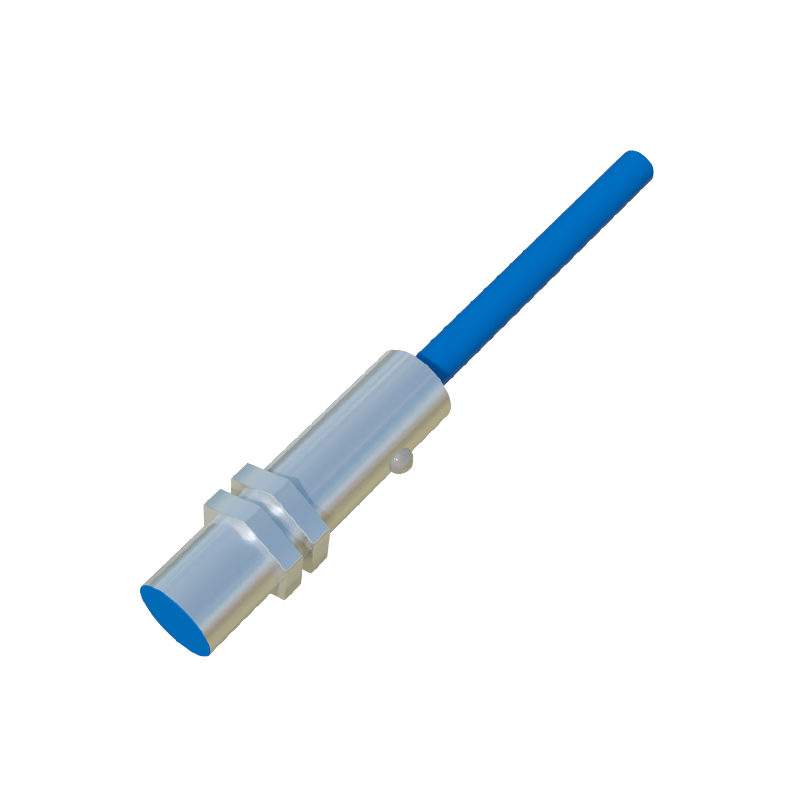
The application spectrum for HS Proximity Sensors is remarkably broad. In manufacturing, they are ubiquitous for tasks like part counting, end-of-travel detection, verifying the position of robotic arms, and monitoring rotational speed. In the automotive industry, they contribute to assembly automation and safety systems. Beyond heavy industry, these sensors are integral to everyday consumer appliances, providing touchless control in faucets, soap dispensers, and elevator doors, enhancing both hygiene and convenience. They also play a vital role in security systems as part of intrusion detection setups.
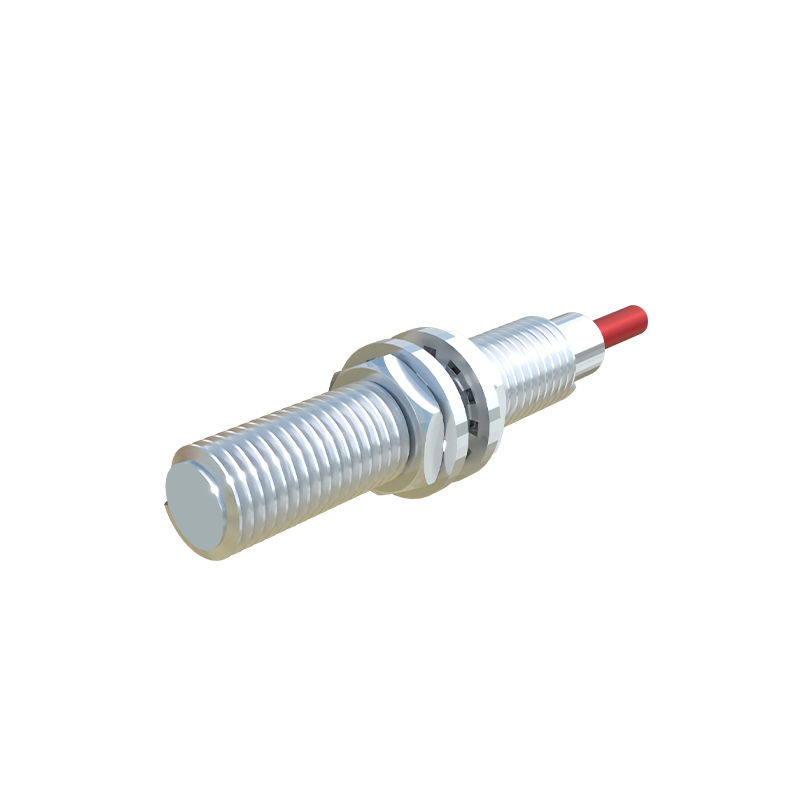
Selecting the right HS Proximity Sensor requires careful consideration of several parameters. The sensing distance, or nominal range, must be appropriate for the application, with a safety margin factored in. The sensor's output type—typically NPN (sinking) or PNP (sourcing) transistor outputs, or analog variants—must be compatible with the programmable logic controller (PLC) or input module it connects to. Environmental factors are paramount; sensors intended for extreme temperatures, corrosive atmospheres, or areas with strong electromagnetic interference must be chosen with specifications that match these challenges. Physical characteristics like housing material (often nickel-plated brass or stainless steel), size (barrel-style or rectangular), and connection type (pre-wired cable or quick-disconnect) are also crucial for proper integration.
Installation and maintenance, while generally straightforward, demand attention to detail. Sensors must be mounted securely to prevent misalignment, and the sensing face should be kept free of debris, paint, or buildup that could attenuate the sensing field. While largely maintenance-free, periodic functional checks are recommended as part of a preventive maintenance schedule to ensure continuous system integrity.
In conclusion, HS Proximity Sensors are indispensable components that bridge the gap between the physical and digital worlds of control systems. Their non-contact operation, combined with high sensitivity, speed, and ruggedness, makes them a cornerstone of modern industrial automation, efficiency, and safety. As technology evolves towards smarter factories and more interconnected systems, the role of these precise and reliable sensors will only continue to expand, driving innovation and operational excellence across countless sectors.