Introduction to Absorptive Photoelectric Sensing
Absorptive photoelectric sensors, a critical subset of photoelectric devices, operate on the fundamental principle of light absorption. Unlike reflective or through-beam sensors, these devices detect the presence or absence of an object by measuring the attenuation of a light beam as it passes through a medium. The core components include a light emitter, typically an LED or laser diode, and a receiver positioned directly opposite. When an object with specific optical properties intercepts the beam, it absorbs a portion of the light, causing a measurable drop in the intensity received. This change triggers the sensor's output. The technology is prized for its high accuracy, reliability in detecting transparent or translucent objects, and immunity to surface color or reflectivity variations, making it indispensable in complex industrial environments.
Core Operating Principles and Design
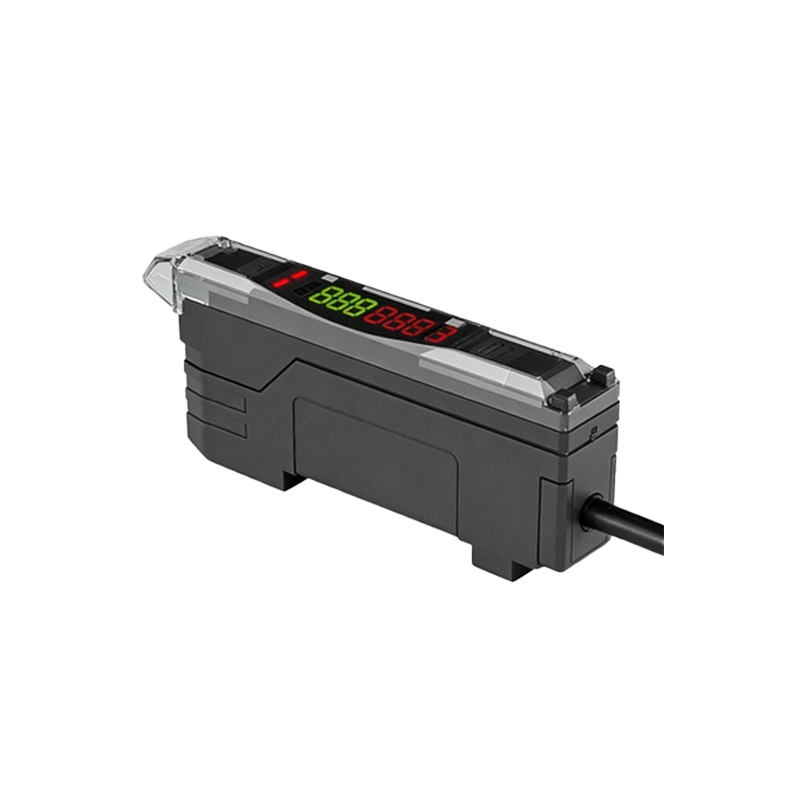
The efficacy of an absorptive photoelectric sensor hinges on precise optical engineering. The emitter generates a focused beam of light, often in the visible red or infrared spectrum. The receiver is a phototransistor or photodiode calibrated to respond to this specific wavelength. The key parameter is the extinction coefficient of the target material—the sensor is designed to detect even minute absorptions. Advanced models incorporate modulated LED light and synchronous detection circuits to eliminate interference from ambient light, ensuring stable operation under varying factory lighting conditions. Housing is another critical design aspect, built to IP67 or higher standards to withstand dust, moisture, and mechanical shock, guaranteeing longevity in harsh settings like packaging lines or chemical plants.
Primary Applications in Manufacturing
In manufacturing, absorptive photoelectric sensors are deployed for critical quality control and process verification tasks. A paramount application is in the bottling and beverage industry, where they reliably detect the fill level in transparent glass or plastic bottles. The sensor beam passes through the container; a liquid presence absorbs more light than an air gap, accurately identifying under-filled or empty units. Similarly, in pharmaceutical packaging, they verify the presence of pills in blister packs or liquids in vials, where the material is often clear. Another widespread use is in web guiding systems for transparent films, papers, or textiles, where the sensor monitors edge position by detecting the transition between the material and a contrasting background, ensuring precise alignment during winding processes.
Role in Safety and Access Systems
Beyond process control, these sensors form the backbone of numerous safety and access control systems. They are integral to safety light curtains and perimeter guarding systems on automated machinery, robotic cells, and press brakes. Here, an array of synchronized infrared beams creates an invisible protective field. Any intrusion—such as a hand or tool—that absorbs the beam immediately signals the machine to stop or prevent startup, safeguarding personnel. In cleanrooms and secure access areas, absorptive beam sensors are used for door monitoring and people counting, offering non-contact detection that maintains sterile environments or security protocols without physical switches that can wear out or contaminate the space.
Integration with Industry 4.0 and IoT
The modern absorptive photoelectric sensor is no longer a standalone device but a smart node in the Industrial Internet of Things (IIoT). Contemporary sensors feature IO-Link communication, enabling digital parameter setting, real-time diagnostics, and predictive maintenance data transmission. For instance, a sensor can continuously report received light intensity to a PLC or cloud platform. A gradual decline in signal might indicate lens contamination, prompting a maintenance alert before a failure causes downtime. This integration allows for centralized monitoring of entire production lines, optimizing efficiency, reducing waste, and facilitating agile manufacturing where sensor settings can be changed remotely for different product batches.
Advancements and Future Trends
Technological advancements are continuously expanding the capabilities of absorptive photoelectric sensors. The development of high-power, focused laser diodes has extended sensing ranges and improved detection of extremely thin materials like plastic films. Miniaturization has led to compact sensors that fit into tight spaces on modern collaborative robots. Furthermore, the advent of spectral analysis sensors, which can distinguish materials based on their unique absorption fingerprints, opens new avenues for sorting and quality inspection. Looking ahead, the convergence with artificial intelligence for pattern recognition and the use of new light sources, such as VCSELs (Vertical-Cavity Surface-Emitting Lasers), promise even greater precision, speed, and application versatility in the evolving smart factory landscape.
Selection and Implementation Considerations
Selecting the appropriate absorptive photoelectric sensor requires careful analysis of the application. Engineers must consider factors such as the required sensing distance, the size and optical properties of the target object (especially its transmissivity), the response time needed for high-speed lines, and the environmental conditions (temperature, presence of steam or chemicals). Proper alignment during installation is crucial for optimal performance, often facilitated by built-in alignment indicators. Implementing these sensors effectively also involves integrating them with the right mounting accessories, protective housings for aggressive environments, and ensuring compatibility with the plant's control network to fully leverage their diagnostic and data capabilities for a robust automation solution.