Introduction to 12V Photoelectric Sensors
In the realm of industrial automation, reliable and precise object detection is paramount. Among the various sensing technologies available, 12V photoelectric sensors stand out as a versatile and widely adopted solution. These sensors operate by emitting a beam of light, typically from an LED, and detecting changes in the received light signal caused by the presence or absence of a target object. The 12V DC operating voltage is a standard in many control systems, making these sensors highly compatible with PLCs (Programmable Logic Controllers), relays, and other industrial electronics. Their ability to detect objects without physical contact ensures longevity and minimizes maintenance, making them indispensable in manufacturing, packaging, material handling, and automotive assembly lines.
Core Operating Principles and Components
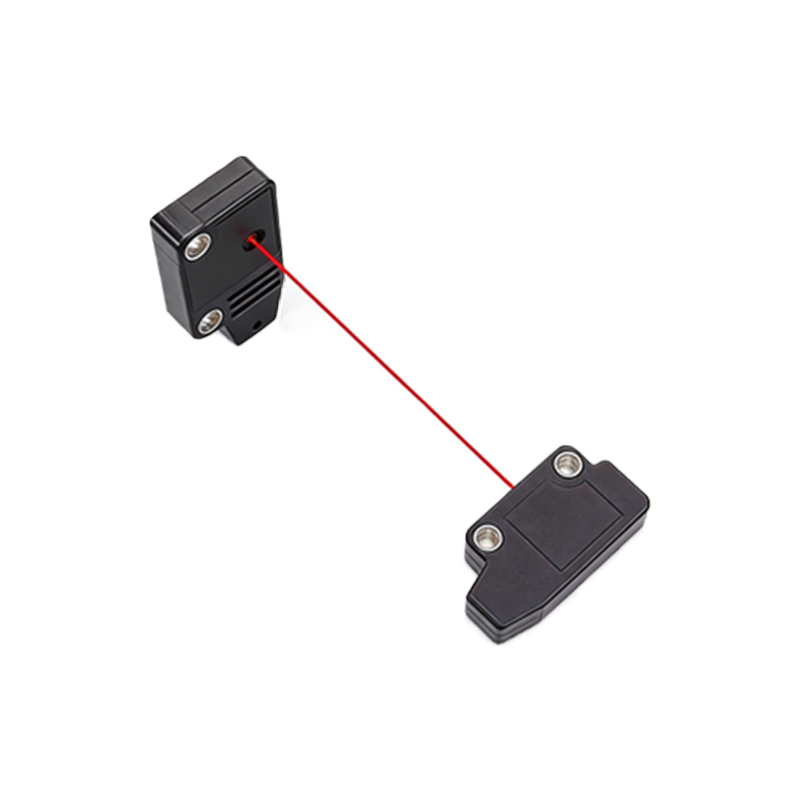
The fundamental principle behind a 12V photoelectric sensor involves a transmitter and a receiver. The transmitter houses a light-emitting element, which can be visible red, infrared, or laser, depending on the application's requirements for precision and environmental resistance. The receiver contains a phototransistor or photodiode that converts incoming light into an electrical signal. This signal is processed by internal circuitry to produce a clean, digital output signal—either NPN (sinking) or PNP (sourcing)—that switches state when an object interrupts or reflects the light beam. The 12V power supply provides the necessary energy for the LED emission and the signal processing electronics, ensuring stable operation even in electrically noisy industrial environments.
Primary Sensing Modes: Through-Beam, Retroreflective, and Diffuse
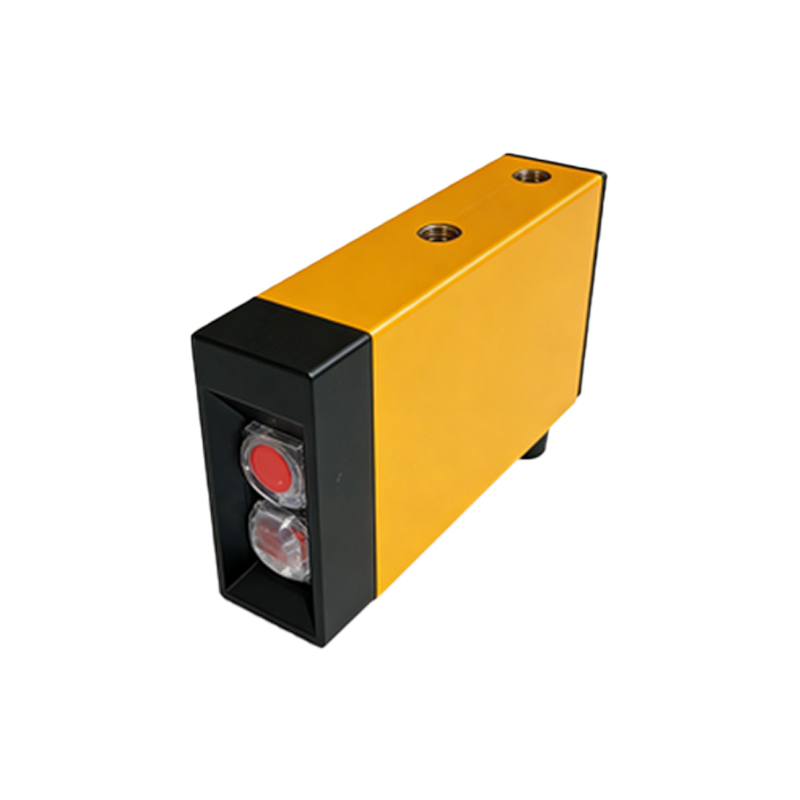
Photoelectric sensors are categorized by their sensing mode, each suited for specific challenges. Through-beam sensors, also called opposed mode, consist of separate transmitter and receiver units. They offer the longest sensing ranges and highest reliability, as the object simply needs to break the beam. Retroreflective sensors house both emitter and receiver in one housing, using a reflector to bounce the light back. They provide a good balance of range and easy installation. Diffuse or proximity sensors rely on light reflecting directly off the target object itself. While their range is shorter and can be affected by the object's color and surface texture, their single-unit design simplifies mounting. All these modes are readily available in 12V DC versions.
Key Advantages of the 12V DC Standard
The adoption of 12V DC as a standard power supply brings several operational benefits. Firstly, it aligns with the low-voltage control circuits prevalent in industrial panels, enhancing safety by reducing shock hazard. Secondly, 12V systems are less susceptible to voltage drop over long cable runs compared to lower voltages, ensuring consistent sensor performance. Furthermore, 12V is a common output from switch-mode power supplies and is easily derived from 24V systems using DC-DC converters, offering design flexibility. This voltage level also allows for efficient power consumption, minimizing heat generation within the sensor housing and contributing to a longer operational lifespan.
Critical Selection Criteria for Application Success
Choosing the right 12V photoelectric sensor requires careful analysis of the application parameters. Sensing range is the foremost consideration; one must select a sensor with a rated range exceeding the actual required distance. The target object's properties—such as size, material, color, and surface finish—directly influence the choice of sensor type and light source. Environmental factors like ambient light, dust, fog, or temperature extremes may necessitate sensors with specialized housings (e.g., IP67/IP69K ratings), polarized filters to ignore glossy surfaces, or background suppression technology. Finally, the required output configuration (NPN/PNP, NO/NC) must match the input specifications of the controller.
Installation, Wiring, and Troubleshooting Tips
Proper installation is crucial for optimal performance. Ensure the sensor is securely mounted to avoid vibration-induced false triggers. For through-beam and retroreflective types, precise alignment is critical; many models feature alignment indicators. When wiring, always refer to the manufacturer's datasheet. Typically, a 12V sensor will have three wires: brown for 12V+, blue for 0V/common, and black for the switched output. Use shielded cables in electrically noisy environments and ground the shield appropriately. Common troubleshooting steps include checking the power supply voltage, verifying alignment, cleaning the lens of dust or debris, and ensuring the target object is within the specified sensing range and is large enough to reliably interrupt the beam.
Future Trends and Advanced Features
The evolution of 12V photoelectric sensors continues, integrating more intelligence and connectivity. Modern sensors now often feature IO-Link communication, allowing for parameter setting, real-time monitoring of signal strength, and diagnostic data reporting directly to the control system. Advanced models incorporate background suppression (BGS) and foreground suppression (FGS) technologies using triangulation principles to detect objects at a precise distance, ignoring objects beyond or behind the set point. Furthermore, miniaturization is a persistent trend, enabling their use in increasingly compact machinery. The robustness and adaptability of the 12V platform ensure these sensors will remain a cornerstone of industrial sensing for the foreseeable future.