Introduction to Ultra-Miniature Photoelectric Sensors
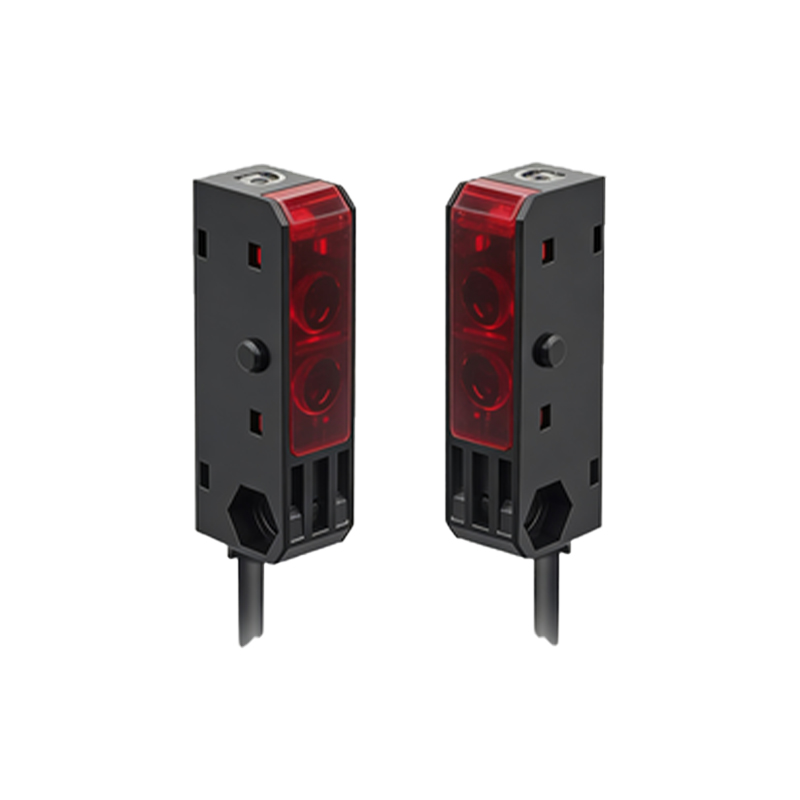
Ultra-miniature photoelectric sensors represent a critical advancement in industrial automation and precision electronics. These compact devices, often measuring just a few millimeters, utilize light beams to detect the presence, absence, or distance of objects without physical contact. Their applications span diverse sectors, including semiconductor manufacturing, medical devices, consumer electronics, and intricate assembly lines where space is at a premium. The core technology involves an emitter (usually an LED or laser diode) and a receiver, configured in through-beam, retro-reflective, or diffuse reflection modes. The relentless drive towards miniaturization and increased functionality in modern machinery has propelled the demand for these sensors, making their cost a significant factor in project budgeting and component selection for engineers and procurement specialists.
Key Factors Influencing Sensor Pricing
The price of an ultra-miniature photoelectric sensor is not a single figure but a spectrum determined by a confluence of technical and market factors. Firstly, performance specifications such as sensing distance, response speed, resolution, and light source type (red LED, infrared, laser) directly impact cost. Laser-based sensors, offering high precision and long range, command a premium over standard LED types. Secondly, housing material and ingress protection (IP) rating are crucial. Sensors designed for harsh environments with metal housings and high IP ratings (e.g., IP67) are more expensive than plastic-housed versions for benign settings. Thirdly, added features like built-in amplifiers, adjustable sensitivity, programmable logic, and advanced output options (NPN/PNP, analog, IO-Link) increase complexity and price. Finally, brand reputation and reliability play a substantial role; established manufacturers with proven track records in quality and support often price their products higher.
Price Range and Market Segmentation
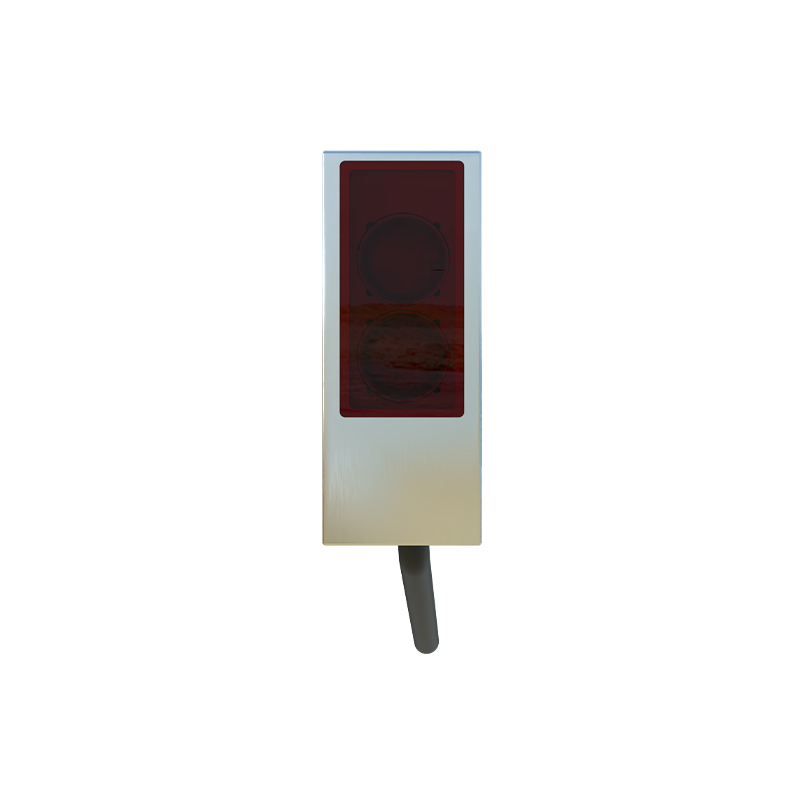
The market for ultra-miniature photoelectric sensors is segmented, leading to a wide price range. Entry-level, basic diffuse reflection sensors with standard plastic housings and limited range can be found for as low as $15 to $30 per unit in low-volume purchases. Mid-range sensors, offering better performance, moderate environmental protection, and perhaps a compact amplifier-separated design, typically fall between $40 and $80. High-end models, featuring laser technology, exceptional precision (micron-level), stainless steel housings, high IP ratings, and smart communication capabilities (IO-Link), can easily cost from $100 to over $300 each. It is important to note that volume purchasing through official distributors or OEM agreements can significantly reduce the per-unit cost, sometimes by 20% to 40%, depending on the quantity and relationship.
The Impact of Supply Chain and Manufacturing
Global supply chain dynamics profoundly affect sensor pricing. Fluctuations in the cost of raw materials like semiconductors, optical components, and specialized plastics/metals directly translate into price changes. Geopolitical factors and trade policies can disrupt the availability of key components, leading to scarcity and price inflation. Manufacturing location also influences cost; sensors produced in regions with lower labor costs may offer a price advantage, though this must be balanced against potential quality control concerns. Conversely, manufacturers investing in automated, high-precision production lines in higher-cost regions may achieve superior consistency and reliability, justifying a higher price point. The recent trends towards regionalization of supply chains are adding new layers of complexity to cost structures.
Cost-Benefit Analysis and Total Cost of Ownership
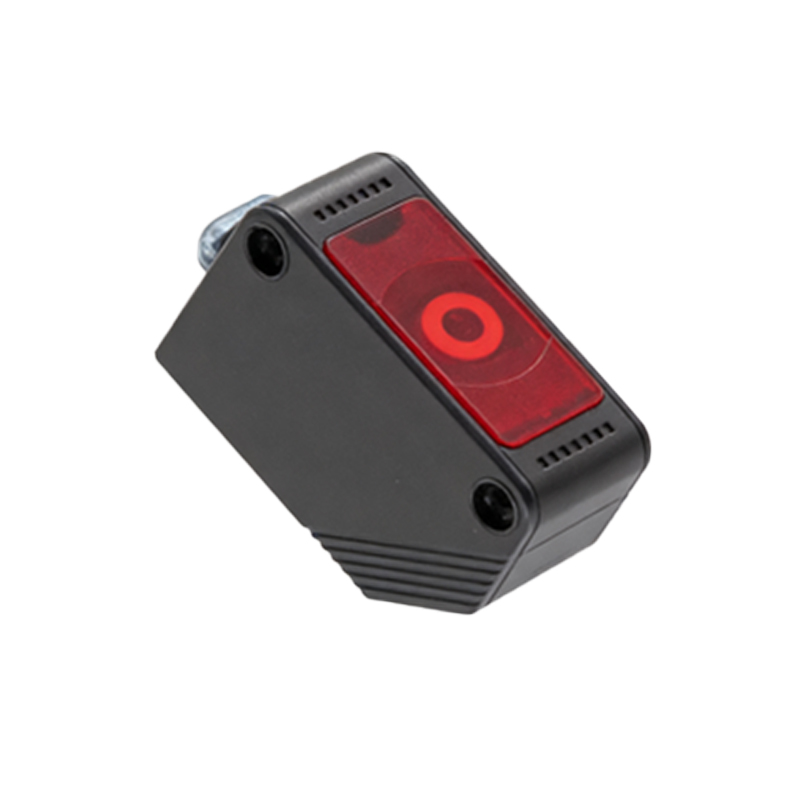
For engineering professionals, the initial purchase price is only one part of the financial equation. A comprehensive Total Cost of Ownership (TCO) analysis is essential. A slightly more expensive sensor from a reputable brand may offer far greater long-term value through higher Mean Time Between Failures (MTBF), reducing costly production downtime. Factors like ease of installation, calibration time, compatibility with existing systems, and the availability of technical support and spare parts contribute significantly to operational costs. Investing in sensors with advanced diagnostics (e.g., via IO-Link) can enable predictive maintenance, preventing unplanned stoppages. Therefore, the most economical choice is often not the cheapest unit but the one that optimizes performance, reliability, and lifecycle costs for the specific application.
Future Trends and Price Projections
The future trajectory of ultra-miniature photoelectric sensor prices is likely to be shaped by opposing forces. On one hand, technological advancements, mass production efficiencies, and increased competition, especially from Asian manufacturers, could exert downward pressure on prices for standard models. On the other hand, the integration of more intelligence (Industry 4.0 readiness), enhanced materials for extreme environments, and the demand for even smaller form factors will continue to push the price ceiling for advanced sensors. The growing adoption in new fields like collaborative robotics and micro-medical devices will sustain demand. In the medium term, expect a bifurcated market: competitive pricing for basic sensors and stable or increasing prices for high-performance, feature-rich intelligent sensors. Strategic sourcing and a clear understanding of application requirements will remain key to cost-effective procurement.