Introduction to Reflective Photoelectric Sensor Design
Reflective photoelectric sensors are integral components in modern automation and control systems, designed to detect objects without physical contact. Their external form is a direct result of meticulous engineering that balances functionality, environmental adaptability, and ease of integration. The housing, typically constructed from robust materials like engineering plastics (e.g., PBT, ABS) or metals such as stainless steel or anodized aluminum, provides critical protection against dust, moisture, and mechanical impact. Common ingress protection ratings like IP67 or IP69K are standard, ensuring reliable operation in harsh industrial settings. The shape is often compact and streamlined, facilitating installation in space-constrained applications. A key external feature is the integrated lens window, which is precisely molded to optimize the emission and reception of light beams. This window is frequently made from scratch-resistant polycarbonate or glass with special coatings to prevent fogging and chemical degradation. The color of the housing, usually black or dark gray, serves to minimize internal light reflection and external interference, enhancing signal accuracy. Mounting options are versatile, including threaded barrels (e.g., M8, M12, M18, M30 sizes), bracket-based designs, or flange mounts, allowing for flexible orientation and secure fixation on machinery. Many models incorporate alignment indicators, such as LED status lights visible from multiple angles, which provide immediate visual feedback on power and detection status, crucial for quick setup and troubleshooting. The cable outlet or connector type (e.g., M12 connectors, PVC/PUR cables) is also a defining external characteristic, designed for strain relief and secure connection to control systems.
Key Form Factors and Their Applications
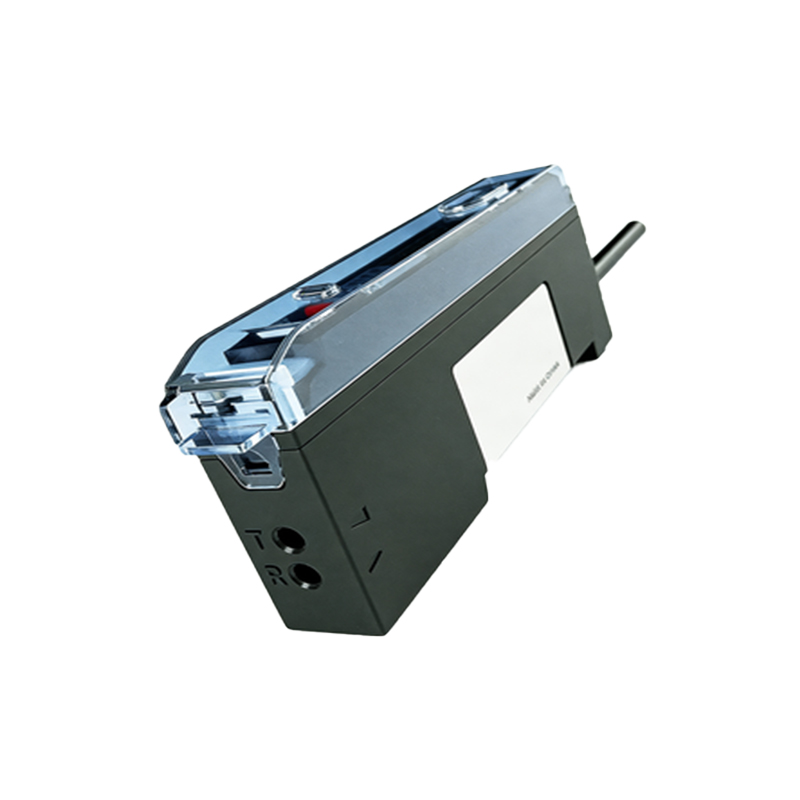
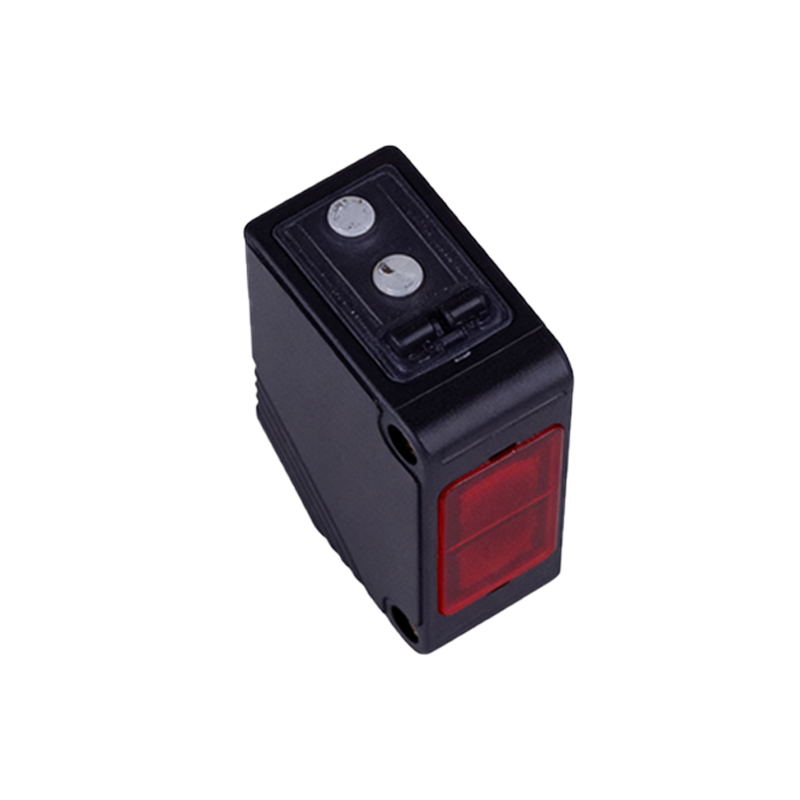
The physical dimensions and shape of a reflective photoelectric sensor are tailored to specific operational needs. Cylindrical housings are among the most prevalent, characterized by their threaded barrel design. These sensors, with standard diameters like M8 (approximately 8mm), M12 (12mm), M18 (18mm), and M30 (30mm), are favored for their ease of installation via mounting nuts and their ability to be fitted into drilled holes on panels or machinery. Their symmetrical shape allows for 360-degree adjustability, enabling precise beam alignment. Rectangular or block-style housings offer a different profile, often featuring flat surfaces that facilitate surface mounting with brackets or adhesive pads. This form factor is common in applications where space is limited in one dimension but available on a flat plane, such as on conveyor side frames or within electronic enclosures. Miniature and subminiature designs have emerged to meet the demands of compact automation equipment, robotics, and consumer electronics. These tiny sensors, sometimes as small as a few millimeters in width, maintain full functionality while enabling integration into highly space-sensitive devices. Another specialized form is the slot-type or fork sensor, where the emitter and receiver are housed within a U-shaped channel. This design allows objects to pass through the slot, breaking the light beam for precise detection of small parts, labels, or edges. Each form factor directly influences the sensing range, beam pattern, and environmental resilience, guiding selection based on factors like required detection distance, target size, and installation environment.
Lens and Optical Window Design Features
The front face of a reflective photoelectric sensor, housing the optical components, is a critical area of design. The lens or optical window is engineered to collimate or focus the emitted infrared, red, or laser light into a precise beam. For diffuse reflective sensors, the lens is designed to create a defined sensing field, with the angle of emission and reception carefully calibrated to achieve the specified sensing distance and spot size. Many sensors feature a coaxial optical design, where the emitter and receiver paths are aligned through the same lens system. This configuration minimizes the blind zone and enhances detection of objects with low reflectivity. The window material must exhibit high transmittance at the operating wavelength while resisting abrasion, chemicals, and UV exposure. Anti-reflective coatings are often applied to reduce internal scattering and improve efficiency. Some advanced models incorporate polarizing filters to suppress false triggers from shiny surfaces, a common challenge in reflective sensing. The window may be flat, slightly convex, or recessed, depending on the need for physical protection or specific beam characteristics. A recessed window helps shield the optics from direct physical contact and accumulation of dirt, though it may slightly reduce the effective sensing range. Clear labeling of the optical axis and sensing area on the housing aids installers in accurate alignment.
Housing Materials and Environmental Protection
The choice of housing material profoundly impacts the sensor's durability and suitability for different environments. Engineering thermoplastics like Polybutylene Terephthalate (PBT) and Acrylonitrile Butadiene Styrene (ABS) are widely used for their excellent mechanical strength, dimensional stability, and resistance to oils, coolants, and mild chemicals. These materials allow for complex, molded shapes with integrated features like cable glands, mounting threads, and logos. For more demanding conditions, such as food processing, pharmaceuticals, or washdown areas, sensors may employ stainless steel (e.g., SUS304, SUS316) housings. These offer superior corrosion resistance, high-temperature tolerance, and the ability to withstand frequent cleaning with aggressive detergents or steam. Anodized aluminum housings provide a lightweight yet robust alternative, often used in applications requiring good heat dissipation. The sealing methodology is paramount; elastomeric gaskets (e.g., silicone, FKM) are used at joints, cable entries, and window interfaces to achieve high IP ratings. The housing design often includes features like drainage channels or hydrophobic membranes to prevent water ingress and condensation. Color coding is sometimes utilized—black for standard industrial models, blue or white for hygienic versions—to meet industry-specific standards and improve visibility in the workspace.
Mounting and Integration Considerations
External design features directly facilitate the mounting and integration process. Threaded barrel sensors typically come with one or two hex nuts and lock washers, allowing them to be secured from either side of a mounting panel. Adjustable mounting brackets enable fine-tuning of the sensor's angle and position after installation, which is invaluable for aligning the beam with a target. Bracket designs range from simple L-shapes to articulated arms with locking screws. Flange-mounted sensors provide a stable, flat surface for bolt-on attachment, often used in high-vibration environments. Quick-disconnect connectors, especially the ubiquitous M12 4-pin or 5-pin coded connectors, have become a standard, enabling tool-less installation and replacement, thereby reducing downtime. Cable versions offer flexibility in routing, with jacket materials selected for resistance to oil, abrasion, or extreme temperatures. Many housings incorporate through-holes or slots for securing cables with zip ties or cable clamps, preventing strain on the electrical connections. For user interface, besides status LEDs, some advanced housings include push buttons for teach-in functionality (setting sensitivity) or digital displays, allowing configuration without a separate programming device. The overall design ethos prioritizes tool-free or minimal-tool installation to speed up deployment in automated production lines.
Trends in Sensor Housing and Form Factor Evolution
The evolution of reflective