Introduction to Photoelectric Sensor Bonding
The reliable operation of photoelectric sensors in demanding industrial settings is heavily dependent on their secure and precise mounting. While mechanical fasteners are common, adhesive bonding offers distinct advantages, including uniform stress distribution, vibration damping, and the ability to mount sensors in confined spaces or on delicate surfaces. The selection of the appropriate adhesive is not a trivial task; it is a critical engineering decision that impacts sensor alignment, long-term stability, and resistance to environmental factors. This article delves into the key considerations for choosing and applying adhesives specifically for photoelectric sensors, ensuring optimal performance and longevity.
Key Adhesive Properties for Sensor Applications
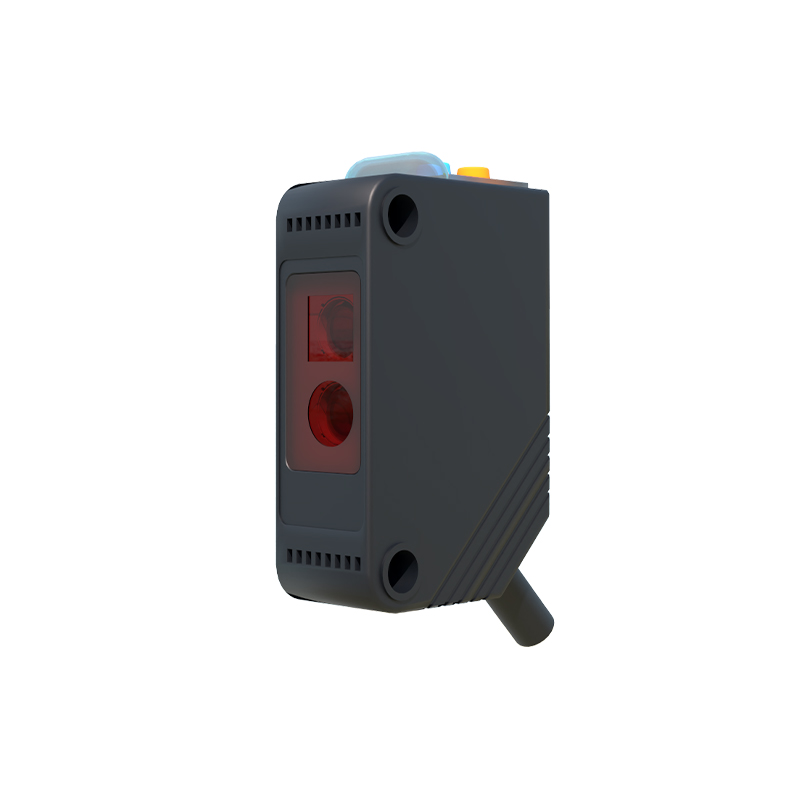
Selecting the right adhesive requires a thorough understanding of the operational environment and the sensor's material composition. The primary properties to evaluate include chemical composition, cure mechanism, and mechanical/thermal characteristics. Epoxies are widely favored for their high strength, excellent chemical resistance, and good dimensional stability. Silicones offer superior flexibility and a wide operating temperature range, making them ideal for applications with significant thermal cycling. Acrylics provide a good balance of strength and fast curing times. For the sensor housing, typically made from plastics like PBT, ABS, or polycarbonate, and the mounting surface (often metal or painted surfaces), an adhesive must ensure strong, durable adhesion without causing stress cracking or degradation of the substrate materials.
Environmental and Operational Stress Factors
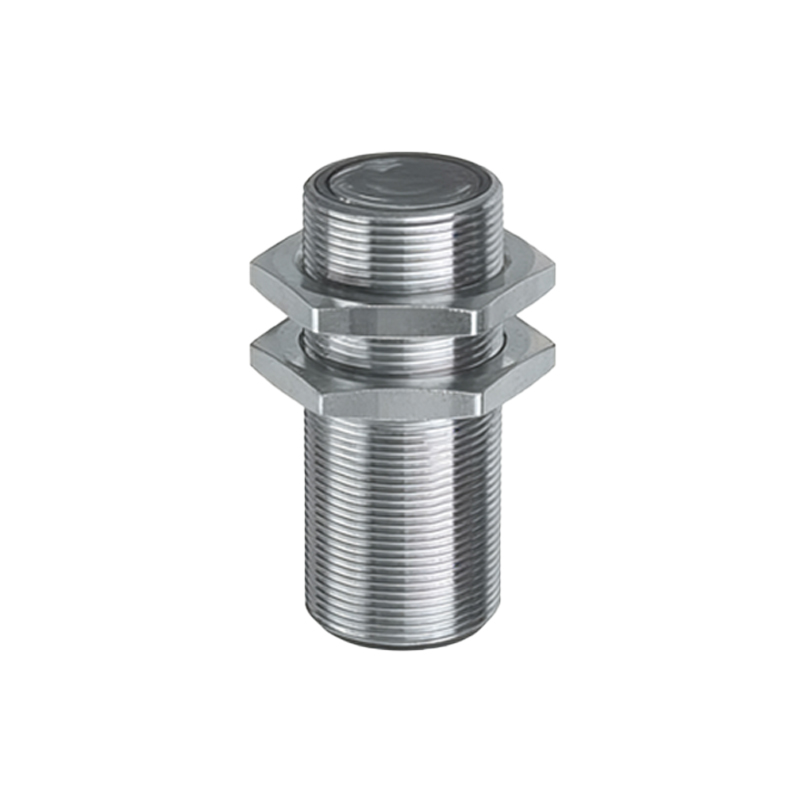
The adhesive must act as a robust barrier against the specific stresses present in the sensor's location. In washdown areas common in food and pharmaceutical processing, the adhesive must withstand frequent exposure to water, steam, and aggressive cleaning chemicals without losing bond integrity. Outdoor applications demand excellent UV resistance to prevent degradation from sunlight. Vibration and shock are constant challenges in machinery and automotive settings; here, adhesives with high peel strength and elastic modulus are crucial to maintain precise optical alignment. Furthermore, thermal stress is a major concern. The adhesive's coefficient of thermal expansion (CTE) should be as close as possible to that of the bonded materials to minimize stress during temperature fluctuations, which could otherwise lead to bond failure or misalignment of the sensitive optical components within the sensor.
The Curing Process and Application Techniques
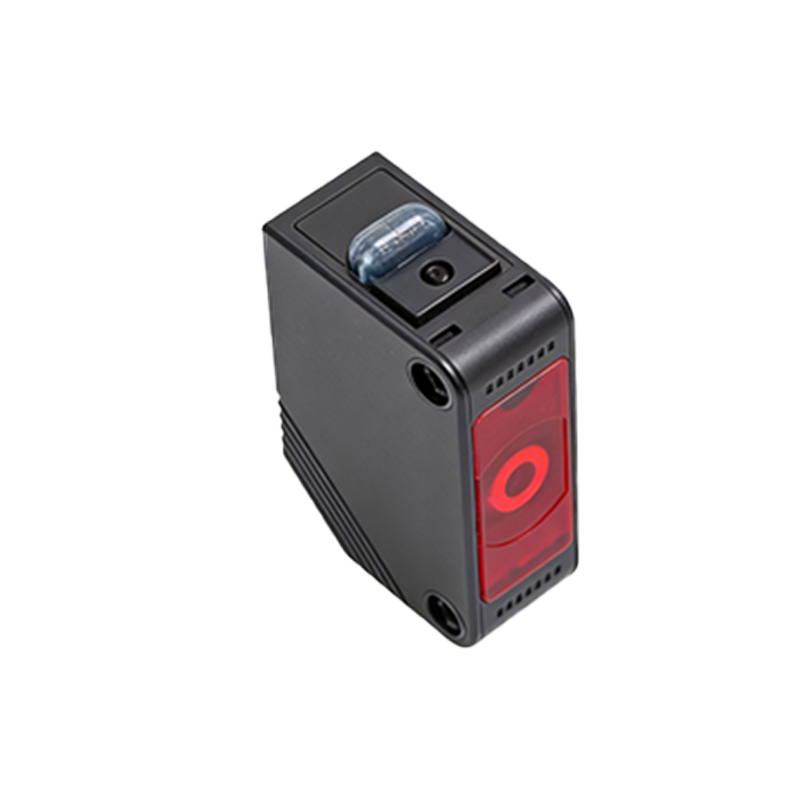
The method of adhesive application and curing is as important as the material selection itself. For photoelectric sensors, precision is paramount to avoid contaminating the lens or light-emitting/receiving elements. Automated dispensing systems are ideal for high-volume production, ensuring consistent bead size and placement. Manual applications require careful use of syringes or applicator tips. Surface preparation is non-negotiable; surfaces must be clean, dry, and free from oils or release agents. Isopropyl alcohol is commonly used for cleaning. The curing mechanism must be compatible with the assembly process. Two-part epoxies offer strong bonds but have pot-life limitations. UV-curing adhesives provide rapid, on-demand curing but require line-of-sight access to the bond line. Anaerobic adhesives cure in the absence of air, useful for certain threaded mountings. Understanding the fixture time and full cure schedule is essential to avoid premature stress on the bond before it achieves full strength.
Long-Term Reliability and Maintenance Considerations
An adhesive bond for a photoelectric sensor is expected to last for the operational life of the equipment, often years. Therefore, long-term reliability testing under simulated conditions is highly recommended. Considerations for maintenance and repair must also be factored into the selection. While a permanent epoxy bond might offer maximum strength, it makes sensor replacement or recalibration extremely difficult. In such cases, a high-strength, removable adhesive or a design that allows for mechanical clamping in conjunction with adhesive might be preferable. The adhesive should also be inspected periodically as part of routine maintenance checks for signs of cracking, discoloration, or debonding, which could indicate impending failure.
Conclusion and Best Practices
Successfully bonding a photoelectric sensor requires a systematic approach. Begin by defining all environmental and operational requirements. Consult with adhesive manufacturers, providing them with details on substrates, temperatures, chemicals, and expected loads. Prototype and test the adhesive joint under realistic conditions before full-scale implementation. Always follow the manufacturer's instructions for mixing, application, and curing meticulously. By treating adhesive selection as a critical component of the sensor integration process, engineers can significantly enhance the reliability, accuracy, and service life of photoelectric sensing systems, ensuring uninterrupted operation in even the most challenging industrial automation and control applications.