In industrial automation and machinery design, proximity sensors play a critical role in enabling non-contact detection and control. Among the various form factors available, the square proximity switch sensor stands out for its specific advantages and wide-ranging utility. This article delves into the core functions, operational principles, and key application areas of this versatile component.
At its most fundamental level, a square proximity switch sensor is an electronic device designed to detect the presence or absence of an object within its sensing range without any physical contact. The "square" designation refers to its housing shape, which is often preferred for easier mounting and integration into machine frames, assembly lines, and control panels where flat surfaces are common. The primary function of these sensors is to provide a reliable switching signal—typically turning an output on or off—when a target object enters its detection field.
The operation hinges on different technologies, with inductive and capacitive types being the most prevalent for square housings. Inductive square proximity sensors generate an electromagnetic field. When a metallic object, such as a steel plate, gear tooth, or machine part, disrupts this field, the sensor's internal circuitry changes state, sending an electrical signal to a controller like a PLC (Programmable Logic Controller). This makes them indispensable in metal-heavy environments like automotive manufacturing, CNC machining centers, and robotic arms for tasks like counting, positioning, and end-of-travel detection.
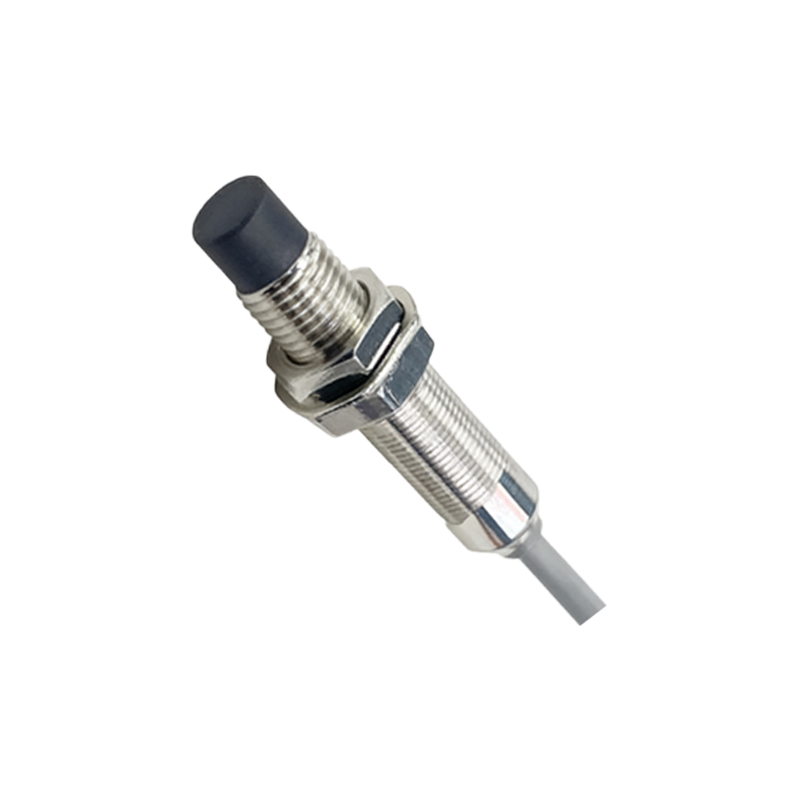
Capacitive square proximity sensors, on the other hand, can detect both metallic and non-metallic materials—liquids, plastics, wood, or granules—by sensing changes in capacitance. This function is vital in industries like packaging, food and beverage processing, and chemical handling, where monitoring material levels in silos, detecting filled bottles on a conveyor, or controlling the presence of cardboard boxes is required. The square form factor provides a stable sensing face for consistent detection across these varied materials.
Beyond simple presence detection, the functions of these sensors extend to several critical operational areas. One key function is position verification. In automated assembly, a square sensor can confirm if a component has been correctly placed in a fixture before the next manufacturing step commences, preventing errors and jams. Another vital function is speed monitoring and counting. By sensing passing objects, such as bolts on a conveyor or teeth on a rotating gear, the sensor can calculate rotational speed or maintain accurate production counts.
Safety interlocking represents a crucial protective function. Square proximity switches are often integrated into safety gates or guards on machinery. If a guard door is opened, the sensor detects the change and immediately sends a signal to halt the machine, protecting personnel from moving parts. Their robust, often sealed (IP67-rated) square housings make them suitable for harsh environments where dust, moisture, or coolant sprays are present, fulfilling a function of reliable operation under duress.
The design of the square housing contributes significantly to its functionality. It allows for easy side-by-side mounting without interference, a feature known as "flush-mountability." This is particularly important in space-constrained applications where multiple sensors are needed in a row. The flat surface also facilitates the attachment of labels or markings for easy identification in complex control panels.
In conclusion, the square proximity switch sensor is far more than a simple detection device. Its functions encompass precise object detection, position control, process sequencing, safety assurance, and condition monitoring across a vast spectrum of industries. From controlling high-speed packaging lines to ensuring the precise positioning of components in precision engineering, the reliability and versatility offered by this sensor's specific form and function make it a foundational element in modern automated systems. Selecting the correct technology—inductive or capacitive—matched to the target material and environmental conditions, is key to leveraging its full functional potential for enhancing efficiency, safety, and productivity.