Understanding Photoelectric Sensor Sensing Distance
Photoelectric sensors operate by emitting a beam of light, typically from an LED or laser diode, and detecting changes in the received light intensity caused by the presence or absence of a target object. The maximum sensing distance, often called the "rated sensing distance" or "assured operating distance," is a critical specification defined under standardized conditions. For Gino photoelectric sensors, this distance varies significantly based on the sensor type, light source, lens design, and environmental factors. It is not a single fixed value but a performance range determined by laboratory testing with a standard reference target, usually a white, matte surface of a specified size. Understanding this fundamental concept is essential for proper sensor selection and application in industrial automation, packaging, material handling, and safety systems.
Factors Influencing Maximum Detection Range
Several key factors determine how far a Gino photoelectric sensor can reliably detect an object. First, the light source type is paramount. Standard diffuse sensors with LED light sources may have a maximum range from a few centimeters up to several meters. In contrast, Gino sensors equipped with laser diodes can achieve much longer sensing distances, often exceeding 10, 30, or even 100 meters for specialized long-range models. Second, the sensing mode plays a crucial role. Through-beam sensors, which consist of separate emitter and receiver units, offer the longest possible range and highest reliability. Retro-reflective sensors, which bounce light off a reflector, provide a good balance of range and ease of installation. Diffuse sensors, which detect light reflected directly from the target, have the shortest range but are the simplest to set up. Third, target characteristics such as color, size, surface finish (matte vs. glossy), and material transparency drastically affect the effective sensing distance. A large, white, matte target reflects more light and can be detected at a greater distance than a small, black, or shiny object.
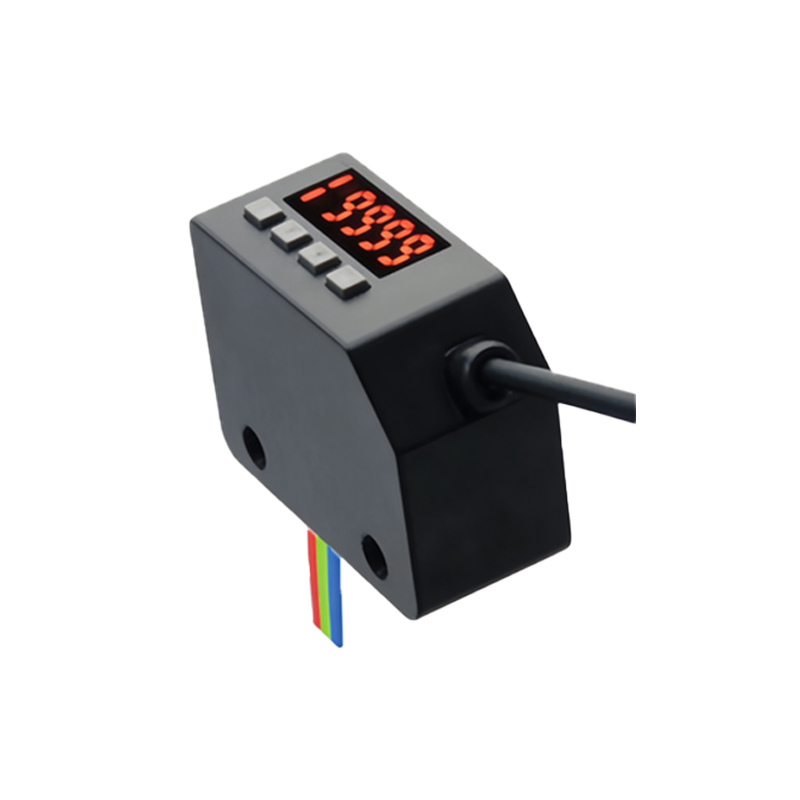
Gino Sensor Models and Their Typical Ranges
Gino offers a comprehensive portfolio of photoelectric sensors, each engineered for specific distance requirements. For general-purpose applications, their standard diffuse-reflective sensors might feature a sensing distance from 100 mm to 1 meter. Their retro-reflective models commonly offer ranges from 0.5 meters up to 5 meters or more, depending on the reflector size and light source intensity. The through-beam sensors represent the long-distance champions in the lineup. Standard LED through-beam sensors can reliably operate at distances of 10 to 15 meters. For extreme-range detection, Gino's laser through-beam sensors are the preferred choice. These models can detect objects at distances of 30 meters, 50 meters, or even beyond, making them ideal for applications like large warehouse vehicle detection, overhead crane positioning, or outdoor perimeter monitoring. It is vital to consult the specific datasheet for the exact model, as the "max." distance may be specified differently for different target reflectivities.
The Role of Light Beam Adjustment and Lens Focus
To achieve the published maximum sensing distance, precise optical alignment and beam focus are necessary. Many long-range Gino sensors, especially laser models, feature adjustable focus or a highly collimated (narrow, parallel) beam. A well-collimated beam minimizes dispersion, allowing the light energy to travel farther with less intensity loss. This focused beam also provides excellent background suppression, ignoring objects outside its very narrow detection zone. For through-beam and retro-reflective setups, careful alignment of the emitter and receiver (or reflector) is critical to hitting the rated distance. Even a slight misalignment can drastically reduce the effective range. Some advanced Gino sensors incorporate visible red or laser spots and built-in alignment indicators to simplify this process, ensuring the sensor performs at its optimal specified range.
Environmental Considerations and Real-World Performance
The laboratory-rated maximum distance assumes ideal conditions: clean air, stable temperature, and no ambient light interference. In real-world industrial environments, these conditions are rarely met. Contaminants like dust, fog, or steam can scatter and attenuate the light beam, significantly reducing the effective sensing range. Strong ambient light from sunlight or high-intensity factory lighting can flood the receiver, causing instability or false triggers. To combat this, Gino sensors often employ modulated light signals (pulsing the LED at a specific frequency) and tuned receivers that only respond to that frequency, effectively filtering out ambient light. For harsh environments, selecting sensors with higher IP ratings and using protective housings is recommended. Therefore, when designing a system, engineers must apply a substantial safety factor, often derating the published maximum distance by 20-50%, to ensure reliable operation under all expected conditions.
Application Examples for Long-Distance Sensing
Long-range Gino photoelectric sensors solve challenging problems across industries. In logistics and warehousing, they are used for vehicle presence detection in wide aisles, monitoring the fill level of high-bay storage racks, and ensuring the proper spacing of containers on conveyor lines that span large facilities. In the automotive sector, they can monitor the position of automated guided vehicles (AGVs) across assembly plant floors. Outdoor applications include parking garage vehicle counters, gate and barrier control systems, and perimeter security for detecting intrusion over long fences. In each case, selecting the correct sensor type—typically a laser through-beam for the ultimate in range and accuracy—is the first step. Proper mounting, alignment, and protection from the elements are then followed to translate the sensor's technical maximum distance into reliable, day-to-day performance.
Optimizing and Testing Your Setup for Maximum Range
To ensure a Gino photoelectric sensor achieves its potential maximum distance in a specific application, a methodical approach is required. Start by selecting a sensor whose rated distance is at least 1.5 to 2 times greater than your actual required distance. Carefully align the emitter and receiver using the manufacturer's recommended procedure, utilizing alignment tools if available. Power the sensor with a stable, regulated power supply as specified, as voltage fluctuations can affect output intensity. Test the setup with the actual target object under normal operating conditions, including typical levels of ambient light and airborne particles. Use the sensor's sensitivity potentiometer or teach-in function (if available) to fine-tune the detection threshold for a stable signal at the desired range. Regularly clean the lens surfaces to prevent buildup of dirt or condensation that would degrade performance over time. By following these practices, you can reliably leverage the advanced optical engineering built into Gino sensors for long-distance detection tasks.