Introduction to Capacitive Sensing Technology
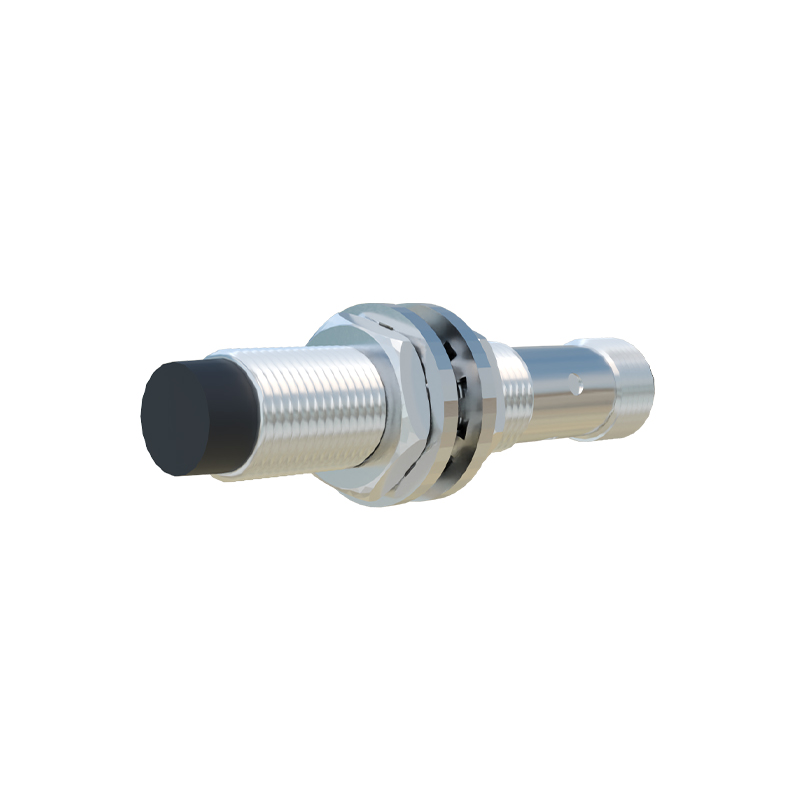
Capacitive proximity sensors operate on a fundamental principle of physics: the ability to detect changes in capacitance. These sensors generate an electrostatic field from an active face, typically the sensing surface. When any object, conductive or non-conductive, enters this field, it alters the capacitance of the system. The sensor's internal oscillator circuit detects this change, triggering a switching output. Unlike their inductive counterparts, which only detect metals, capacitive sensors can detect a vast array of materials including liquids, powders, plastics, wood, and glass. This versatility is a key driver behind their widespread adoption in the diverse manufacturing landscape of Sanshui District, where industries range from food and beverage packaging to ceramic and plastic production.
Key Operational Characteristics and Advantages
The operational advantages of capacitive sensors are numerous. They offer non-contact detection, eliminating mechanical wear and tear on both the sensor and the target object. Their ability to sense through non-metallic barriers, such as a glass or plastic container wall, allows for innovative and hygienic installation solutions. This is particularly valuable in Sanshui's food processing and pharmaceutical sectors. Furthermore, modern capacitive sensors feature adjustable sensitivity. This allows engineers to fine-tune the sensing distance and ignore background interference, such as a conveyor belt or a container wall, ensuring reliable operation in complex environments. Their robust construction, often with IP67 or higher ingress protection ratings, makes them suitable for harsh, wash-down environments common in local industries.
Critical Applications in Sanshui District's Industries
The industrial ecosystem of Sanshui District presents ideal use cases for capacitive proximity sensors. In the packaging industry, they are indispensable for level detection of liquids, granules, or powders inside non-metallic silos, hoppers, and bottles. They ensure optimal fill levels, preventing overflows or production stoppages. Within the ceramic and building materials sector, these sensors reliably detect the presence of tiles, slabs, or raw material batches on conveyor lines, regardless of dust or debris. For plastic injection molding and extrusion lines, they verify the presence of plastic pellets in feed systems or detect finished products for robotic pick-and-place operations. Their role in ensuring continuous, automated material handling is a cornerstone of local manufacturing efficiency.
Installation and Configuration Best Practices
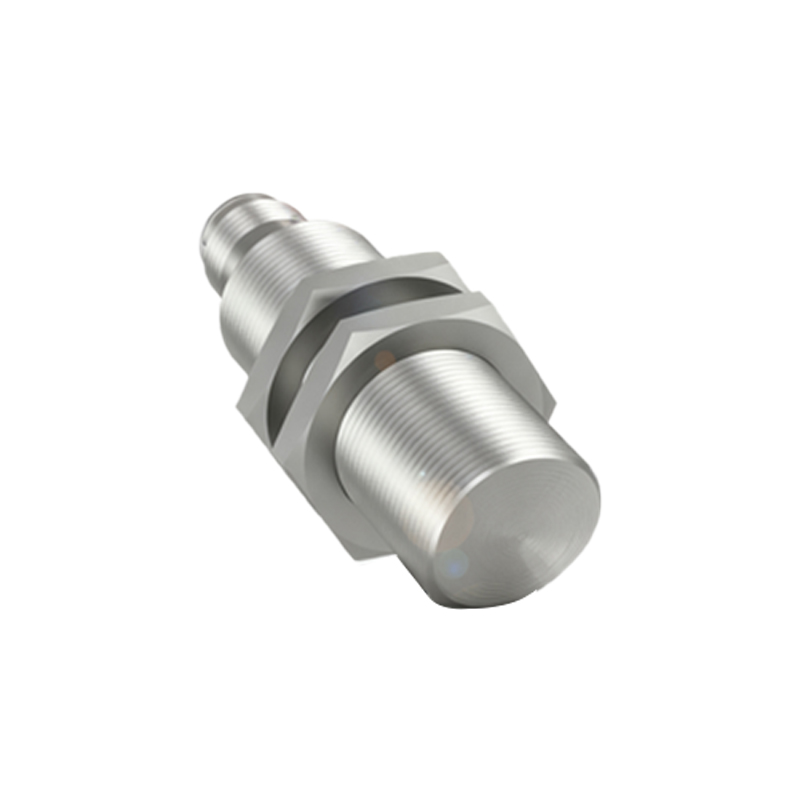
Correct installation is paramount for optimal sensor performance. A primary consideration is the mounting environment. The sensor's sensing field can be influenced by surrounding conductive materials. Therefore, maintaining the recommended lateral and flush-mounting clearance from metal brackets or machine frames is crucial to avoid false triggering. For level detection applications, the sensor should be mounted at the desired point of detection on the outside of the non-metallic container, calibrated to ignore the container wall itself. Configuration involves using the potentiometer or teach-in button to set the sensitivity threshold under real operating conditions—with the target material present. Regular maintenance involves checking for buildup of material on the sensing face, as excessive residue can act as a permanent target, leading to failure.
Selecting the Right Sensor for Your Application
Choosing an appropriate capacitive sensor in Sanshui's market requires evaluating several technical parameters. The nominal sensing distance (Sn) is the first specification, but it is typically rated for a standard target (often metal). For non-standard materials like plastic or grain, the effective sensing range will be reduced, and derating factors must be applied. The housing material (e.g., PTFE for highly adhesive substances, stainless steel for corrosive areas) and connector type (M8, M12) must suit the physical and chemical environment. Output type (PNP/NPN, NO/NC) must be compatible with the prevailing PLC (Programmable Logic Controller) systems used in local factories. Finally, considering specialized variants, such as sensors with extended ranges or those designed for specific materials like wood, can solve challenging detection tasks.
Future Trends and Integration with Smart Manufacturing
The evolution of capacitive sensing technology aligns with Sanshui District's push towards Industry 4.0 and smarter manufacturing. The next generation of sensors features IO-Link communication capability. This digital interface allows for remote parameter setting, continuous condition monitoring (like sensing distance drift), and advanced diagnostics, enabling predictive maintenance. This data integration into factory-wide SCADA (Supervisory Control and Data Acquisition) systems provides unprecedented visibility into material flow and process stability. As local industries increasingly adopt automated guided vehicles (AGVs) and collaborative robots, compact, precise, and intelligent capacitive sensors will play a vital role in enabling these systems to safely and reliably interact with their environment, further solidifying their status as a critical component in modern industrial automation.
SEO