Introduction to Metal Proximity Sensor Switches
Metal proximity sensor switches are essential components in modern industrial automation, designed to detect the presence or absence of metallic objects without physical contact. These sensors operate based on electromagnetic principles, generating an oscillating electromagnetic field. When a metallic target enters this field, it induces eddy currents, causing a change in the sensor's oscillation amplitude or frequency. This change is then converted into an electrical signal, triggering a switch output. Widely used in manufacturing, robotics, and safety systems, these sensors offer high reliability, durability, and resistance to harsh environments, making them indispensable for precision control and monitoring applications. Their non-contact nature ensures minimal wear and tear, leading to reduced maintenance costs and enhanced operational efficiency.
Operating Principles and Technology
The core technology behind metal proximity sensor switches involves inductive sensing. An oscillator circuit within the sensor generates a high-frequency electromagnetic field at its sensing face. When a ferrous or non-ferrous metal object approaches this field, it absorbs energy, altering the oscillation characteristics. This disturbance is detected by an amplitude demodulation circuit, which processes the signal to activate a solid-state switch or relay output. Key parameters include sensing range, which typically ranges from a few millimeters to several centimeters, and response frequency, allowing for high-speed detection up to thousands of operations per second. Advanced models incorporate temperature compensation and immunity to electrical noise, ensuring stable performance in variable industrial conditions. Understanding these principles helps in selecting the right sensor for specific applications, such as position sensing, counting, or object detection on conveyor belts.
Types and Configurations
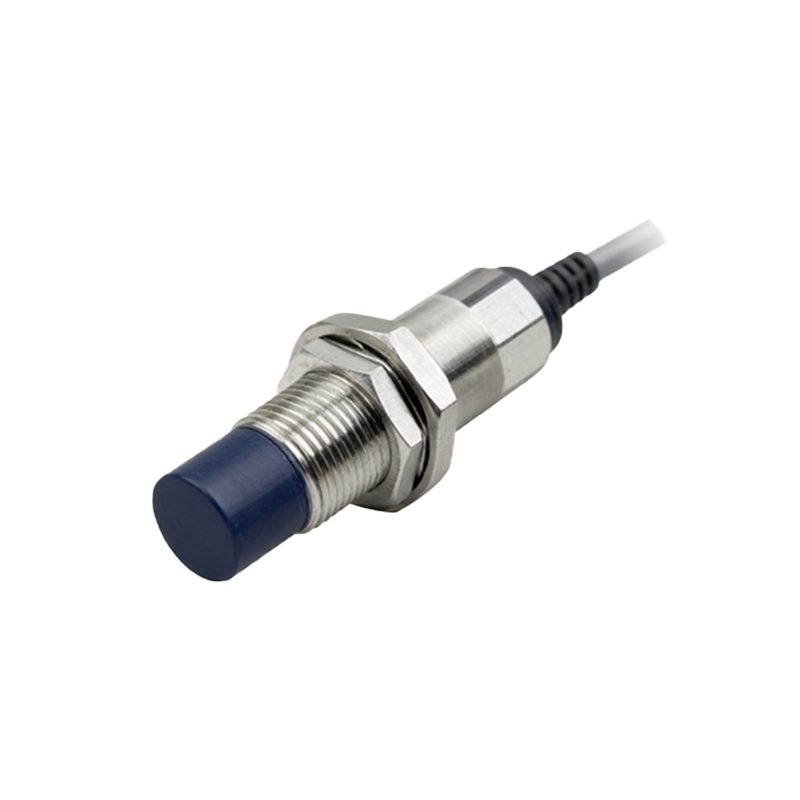
Metal proximity sensor switches come in various types and configurations to suit diverse industrial needs. Common variants include cylindrical, rectangular, and ring-shaped housings, often constructed from stainless steel or nickel-plated brass for robustness. Based on output signals, they are categorized as normally open (NO), normally closed (NC), or analog output types, with options for PNP (sourcing) or NPN (sinking) transistor outputs. Shielded models offer flush mounting capabilities, reducing side detection interference, while unshielded types provide extended sensing ranges. Specialized versions include high-temperature sensors for environments exceeding 100°C, submersible units for wet conditions, and intrinsically safe designs for hazardous areas. Additionally, some sensors feature adjustable sensitivity or built-in timers for delay functions, enhancing flexibility in automation setups.
Key Applications in Industry
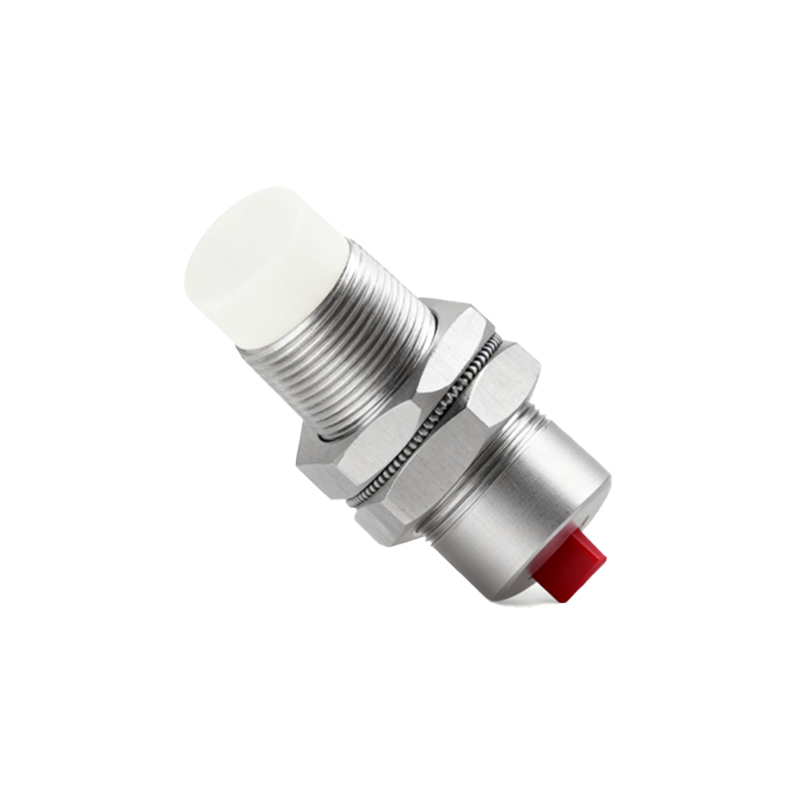
In industrial settings, metal proximity sensor switches play a critical role in enhancing productivity and safety. They are extensively used for position detection in machinery, such as verifying the closure of doors or the presence of parts on assembly lines. In automotive manufacturing, these sensors monitor robotic arm movements and control welding operations. Packaging industries rely on them for counting metallic items and ensuring proper filling levels. Safety applications include intrusion detection in guarded machinery and emergency stop systems. Moreover, they facilitate quality control by identifying metal contaminants in food processing or verifying component alignment. Their ability to operate in dusty, oily, or vibrating environments makes them ideal for heavy-duty sectors like mining and construction, where reliability is paramount.
Selection Criteria and Installation Tips
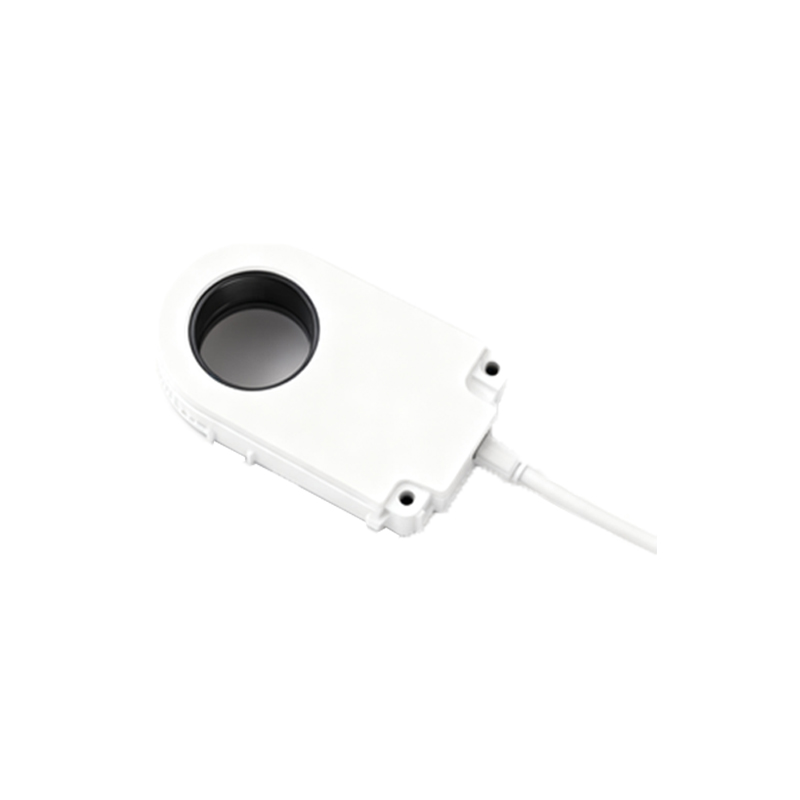
Choosing the right metal proximity sensor switch requires careful consideration of several factors. Key criteria include the target material (ferrous vs. non-ferrous metals), required sensing distance, environmental conditions (temperature, humidity, and exposure to chemicals), and electrical specifications (voltage supply and output type). It is crucial to match the sensor's housing material and IP rating to the application's durability and ingress protection needs. For installation, ensure proper mounting alignment to avoid false triggers, and maintain adequate clearance from other metal objects to prevent interference. Wiring should follow manufacturer guidelines, with attention to polarity for DC models. Regular testing and calibration, especially in high-vibration areas, help maintain accuracy. Consulting datasheets and industry standards, such as IEC 60947-5-2, can aid in optimal selection and compliance.
Advantages and Limitations
Metal proximity sensor switches offer numerous advantages, including long service life due to non-contact operation, high switching speeds for rapid processes, and immunity to surface conditions like dirt or moisture. They provide consistent performance across wide temperature ranges and are less prone to mechanical failure compared to limit switches. However, limitations exist: they only detect metallic objects, with reduced sensitivity for non-ferrous metals like aluminum or copper. Sensing range can be affected by the target's size, shape, and material composition. Electromagnetic interference from nearby equipment may cause false readings, necessitating proper shielding. Despite these constraints, ongoing advancements in microelectronics and materials science continue to improve their capabilities, making them a versatile choice for automation challenges.