Introduction to 5V Proximity Switch Sensors
A 5V proximity switch sensor is a non-contact electronic device designed to detect the presence or absence of an object within its sensing range. Operating on a low 5-volt DC power supply, these sensors are integral to modern automation, robotics, and control systems. Their primary function is to convert the detection of a metallic or sometimes non-metallic target into a clean electrical signal, typically a digital high or low output. This signal is then used by programmable logic controllers (PLCs), microcontrollers like Arduino or Raspberry Pi, or other control units to trigger subsequent actions, such as stopping a conveyor, counting items, or initiating a robotic sequence. The 5V operating voltage makes them particularly compatible with standard logic-level circuitry and low-power embedded systems, offering a blend of sensitivity, reliability, and energy efficiency.
Core Operating Principles and Technologies
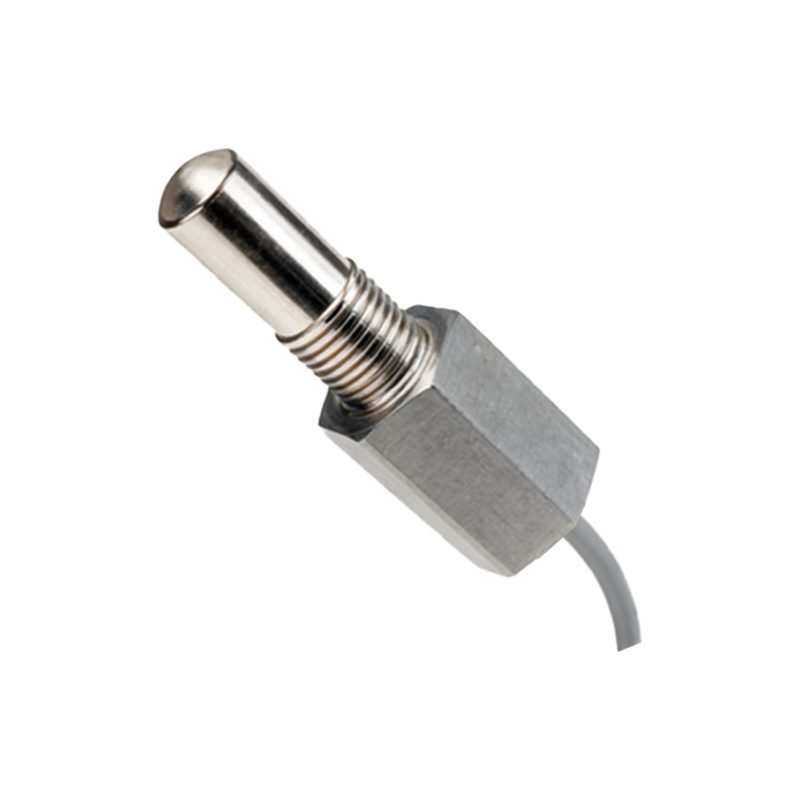
The functionality of a 5V proximity sensor hinges on its underlying technology. The most common type for metallic target detection is the inductive proximity sensor. It contains an oscillator circuit that generates a high-frequency electromagnetic field at its sensing face. When a conductive metal object enters this field, eddy currents are induced on the object's surface. This causes a load on the oscillator, leading to a change in its amplitude. This change is detected by the sensor's circuitry, which then switches its solid-state output. For detecting non-metallic objects, capacitive proximity sensors are often used, which sense changes in capacitance caused by the target material. Regardless of type, the 5V variant is engineered to provide a stable output signal—either NPN (sinking) or PNP (sourcing)—that aligns perfectly with the TTL/CMOS logic levels of 5V digital systems, ensuring seamless integration without the need for additional signal conditioning.
Key Advantages in Industrial and Hobbyist Applications
The adoption of 5V proximity sensors is driven by several compelling advantages. Their non-contact nature eliminates mechanical wear and tear, ensuring a long operational life and maintenance-free performance. The low 5V power requirement enhances safety, reduces heat generation, and allows for operation from common USB power banks or regulated power supplies, which is ideal for portable or battery-operated projects. In industrial settings, their fast response time and high switching frequency enable precise detection in high-speed assembly lines. For electronics hobbyists, developers, and in educational settings, these sensors are a favorite due to their direct compatibility with popular development boards. This eliminates the complexity of interfacing higher-voltage industrial sensors (like 12-24V DC models) with sensitive 5V microcontrollers, streamlining prototyping and system design.
Critical Specifications for Selection and Integration
Selecting the right 5V proximity sensor requires careful consideration of several technical specifications. The sensing range, typically from 1mm to 15mm for standard inductive models, must be appropriate for the application. The sensing object material is crucial; inductive sensors only detect metals, with different correction factors for steel, aluminum, and copper. The output configuration (NPN normally-open, NPN normally-closed, PNP) must match the input circuit of the controller. Other vital parameters include the response frequency (how many detections per second), repeatability (consistency of detection point), and environmental ratings for factors like temperature, moisture, and chemical exposure. Proper installation is also key; sensors should be mounted securely, with adequate clearance from metal surroundings to prevent false triggering, and wiring should follow the datasheet guidelines for the 5V supply, output, and ground connections.
Common Applications Across Diverse Sectors
The versatility of 5V proximity sensors fuels their use across a wide spectrum of applications. In automated manufacturing, they are deployed for precise position detection of machine parts, end-of-travel limits on linear actuators, and jam detection in material handling systems. Within the realm of consumer electronics and compact machinery, they serve as non-contact limit switches. In the DIY and maker community, they are fundamental for building object counters, liquid level detectors in non-metallic tanks (using capacitive types), touchless interfaces, and autonomous robot navigation for obstacle avoidance. Their low voltage operation also makes them suitable for sensitive laboratory equipment and medical devices where higher voltages are undesirable. This broad applicability underscores their role as a fundamental enabling technology for smart, automated solutions.
Installation Tips and Troubleshooting Guidelines
Successful deployment of a 5V proximity sensor hinges on correct installation and an understanding of potential issues. Always ensure the power supply is a stable, regulated 5V DC source, as voltage spikes or noise can cause erratic behavior. Use shielded cables in electrically noisy environments and keep signal wires away from power lines to prevent interference. For