Understanding Low Temperature Proximity Sensors
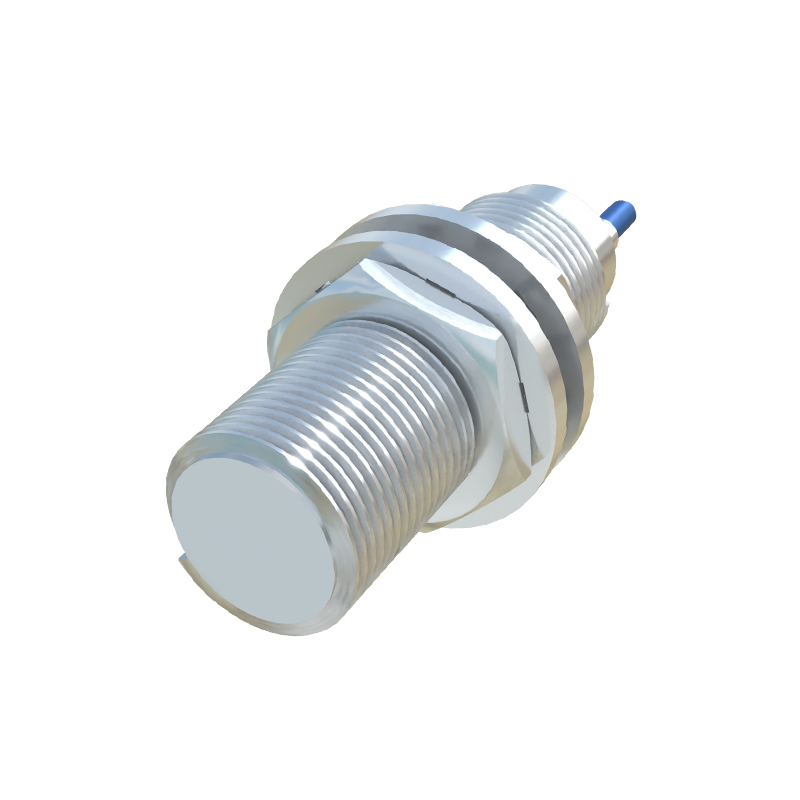
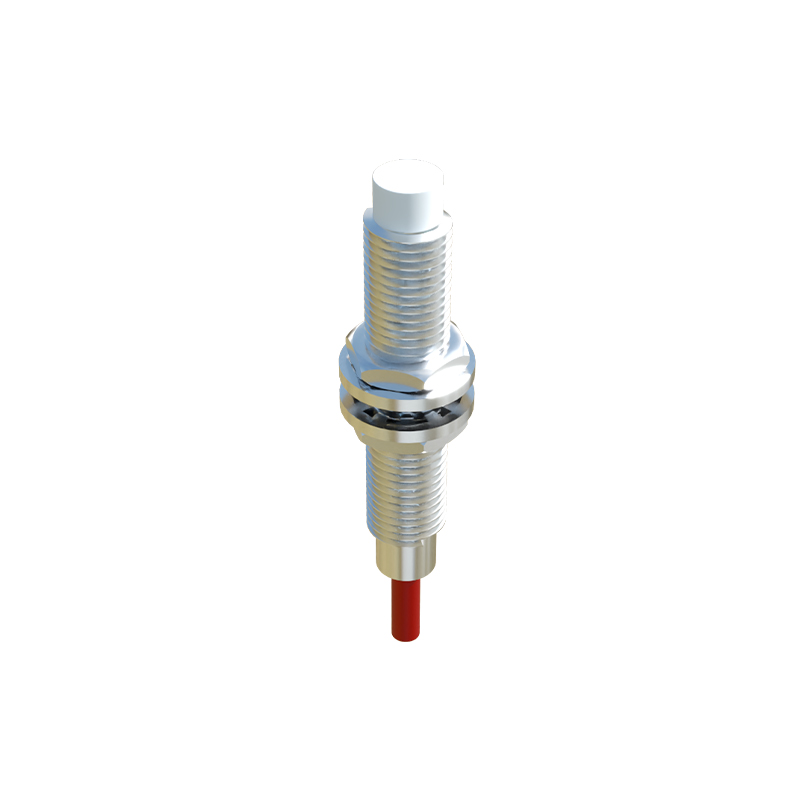
Low temperature proximity sensors are specialized devices engineered to detect the presence or absence of objects in extremely cold environments, typically ranging from -40°C down to -196°C or even lower. These sensors are critical in industries such as cryogenics, aerospace, polar research, and cold storage logistics, where standard sensors would fail due to material embrittlement, condensation, or electronic component malfunction. They utilize various sensing principles, including inductive, capacitive, and magnetic technologies, but are distinguished by their use of materials and components rated for thermal shock and low-temperature operation. Key considerations include housing materials like stainless steel or specialized polymers, seals that remain flexible, and electronics with extended temperature range specifications. The demand for reliability in these conditions makes supplier selection a paramount decision for system integrators.
Key Criteria for Selecting a Supplier
Choosing the right supplier goes beyond just product availability. For low temperature proximity sensors, several technical and commercial factors must be evaluated. Technically, the supplier must provide detailed datasheets with guaranteed performance metrics across the entire specified temperature range, including switching frequency, sensing distance, and repeatability. Material certifications for housings and seals are essential, especially for food-grade or cleanroom applications. Commercially, suppliers should demonstrate a proven track record in the target industry, offer robust technical support for integration challenges, and provide flexible customization options for non-standard mounting or output configurations. Supply chain resilience and the ability to provide consistent quality across batches are also critical, as downtime in critical cold-chain or industrial processes can be extremely costly.
Leading Global Suppliers and Their Specializations
The market for these specialized sensors is served by a mix of large multinational corporations and niche engineering firms. IFM Efector is a prominent global player known for its robust inductive sensors with wide temperature tolerances, commonly used in refrigeration and freezer automation. Pepperl+Fuchs offers a comprehensive portfolio, including sensors with IO-Link capability for Industry 4.0 applications in cold environments, favored in pharmaceutical and beverage industries. For ultra-high vacuum and cryogenic research applications, companies like Scienz and Festo provide highly customized solutions. In North America, Banner Engineering and Turck are recognized for their durable sensors used in food processing and cold storage facilities. Each supplier often has a particular strength, whether in communication protocols, specific sensing technology, or expertise in a vertical market like liquid natural gas (LNG) handling.
Innovations and Technological Advancements
Supplier competition drives continuous innovation in this field. Recent advancements include the integration of advanced diagnostics that can predict sensor failure by monitoring internal parameters like oscillator strength at low temperatures. The use of new composite materials for sensor faces improves resistance to ice buildup and physical impact in frigid conditions. Furthermore, the miniaturization of electronics has enabled the development of smaller form-factor sensors without sacrificing sensing range or temperature performance. Wireless and battery-powered variants are emerging for mobile applications in cold storage, eliminating the need for wiring that can become brittle. Suppliers at the forefront are also investing in simulation software to help customers model sensor performance in their specific thermal environment before purchase.
Challenges in Procurement and Integration
Procuring and integrating low temperature proximity sensors presents unique hurdles. One major challenge is testing; not all end-users have facilities to validate sensor performance at, for example, -80°C. Reliance on supplier test data is common, making supplier credibility vital. Integration challenges include managing condensation when a sensor is cycled between extreme cold and warmer ambient temperatures during maintenance. Electrical characteristics also change with temperature; a supplier must provide guidance on cable selection and controller interfacing to ensure stable signal transmission. Long lead times for custom designs and the higher unit cost compared to standard sensors are additional factors that procurement teams must plan for, emphasizing the need for early supplier engagement in the design phase of a project.
Future Outlook and Market Trends
The market for low temperature proximity sensors is expected to grow steadily, fueled by the expansion of global cold chain logistics for perishable goods and biopharmaceuticals, and increased activity in polar and space exploration. Future trends point toward greater intelligence at the sensor level, with more devices featuring embedded temperature compensation algorithms and self-monitoring capabilities communicated via industrial IoT protocols. Sustainability is becoming a factor, with suppliers exploring more recyclable materials for sensor construction. Additionally, as renewable energy sectors like hydrogen fuel cell technology mature, new demand will arise for sensors capable of operating in the cryogenic temperatures associated with hydrogen storage and transport, opening opportunities for suppliers who can innovate in material science and sensing technology.
SEO