In industrial automation and machinery design, sensors play a critical role in monitoring and controlling processes. Among the various types, speed sensors and proximity sensors are widely utilized, yet they serve distinct purposes and operate on different principles. Understanding their differences, functionalities, and appropriate applications is essential for engineers and technicians to optimize system performance and ensure reliability.
Speed sensors, as the name implies, are designed to measure the rotational or linear speed of an object. These devices typically detect the rate of motion by monitoring changes in position over time. Common types include magnetic speed sensors, optical encoders, and Hall effect sensors. Magnetic speed sensors, for instance, use a magnet and a coil to generate a voltage signal proportional to the speed of a rotating shaft. Optical encoders rely on light beams and discs with slots to count pulses, translating them into speed readings. Hall effect sensors detect magnetic fields changes from moving targets, providing precise speed data. Speed sensors are indispensable in applications where velocity monitoring is crucial, such as in automotive systems for measuring wheel speed in anti-lock braking systems (ABS), in industrial motors to control RPM, and in conveyor belts to regulate material flow rates. Their ability to deliver real-time speed feedback enables precise control, enhancing safety and efficiency.
Proximity sensors, on the other hand, are used to detect the presence or absence of an object within a certain range without physical contact. They operate based on various technologies, including inductive, capacitive, ultrasonic, and photoelectric principles. Inductive proximity sensors detect metallic objects by generating an electromagnetic field and sensing disturbances caused by the target. Capacitive sensors can detect both metallic and non-metallic materials by measuring changes in capacitance. Ultrasonic sensors emit sound waves and analyze echoes to determine object presence, while photoelectric sensors use light beams to detect interruptions. Proximity sensors are valued for their non-contact nature, reducing wear and tear and allowing use in harsh environments. Typical applications include object detection in assembly lines, position sensing in robotics, level monitoring in tanks, and safety systems to prevent machinery collisions. Their versatility makes them suitable for diverse industries, from manufacturing to consumer electronics.
While both sensor types are vital in automation, they differ significantly in function and design. Speed sensors focus on measuring motion dynamics, providing quantitative data on how fast something is moving. In contrast, proximity sensors are qualitative, indicating whether an object is near or far, often without detailing speed. This distinction influences their selection: speed sensors are chosen for tasks requiring velocity control, such as in motor drives or speedometers, whereas proximity sensors are preferred for presence detection, like in automated doors or inventory tracking. Additionally, speed sensors often require direct or indirect contact with the moving part, while proximity sensors operate contactlessly, which can be advantageous in sensitive or dirty conditions.
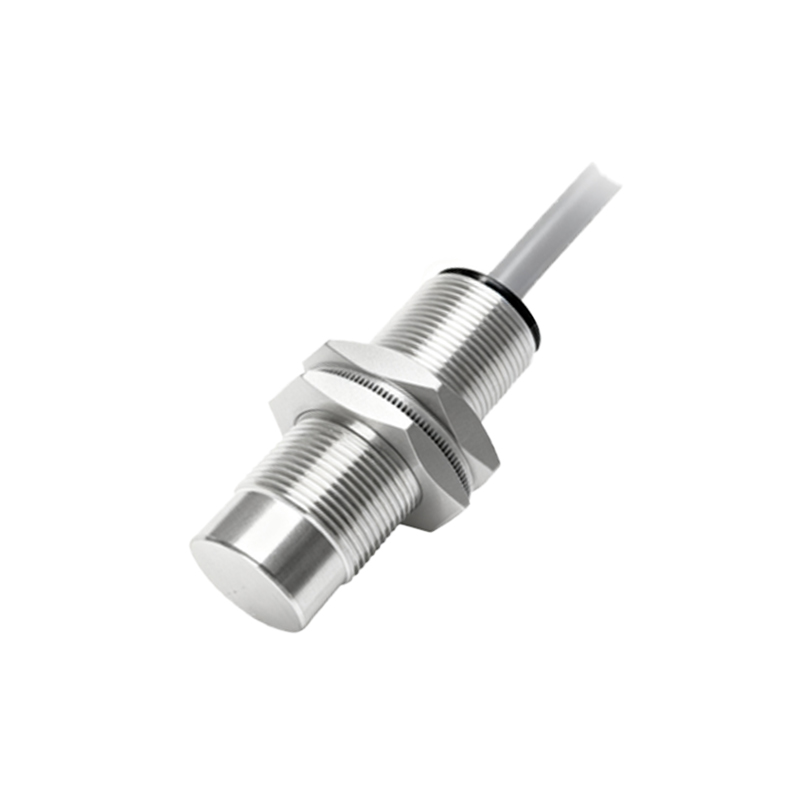
In practice, these sensors often complement each other in complex systems. For example, in a modern automotive assembly line, proximity sensors might detect the position of a car chassis, while speed sensors monitor the conveyor belt's movement to synchronize operations. Similarly, in robotics, proximity sensors ensure safe navigation by detecting obstacles, and speed sensors control joint movements for precise manipulation. Understanding their interplay helps in designing integrated solutions that enhance automation and productivity.
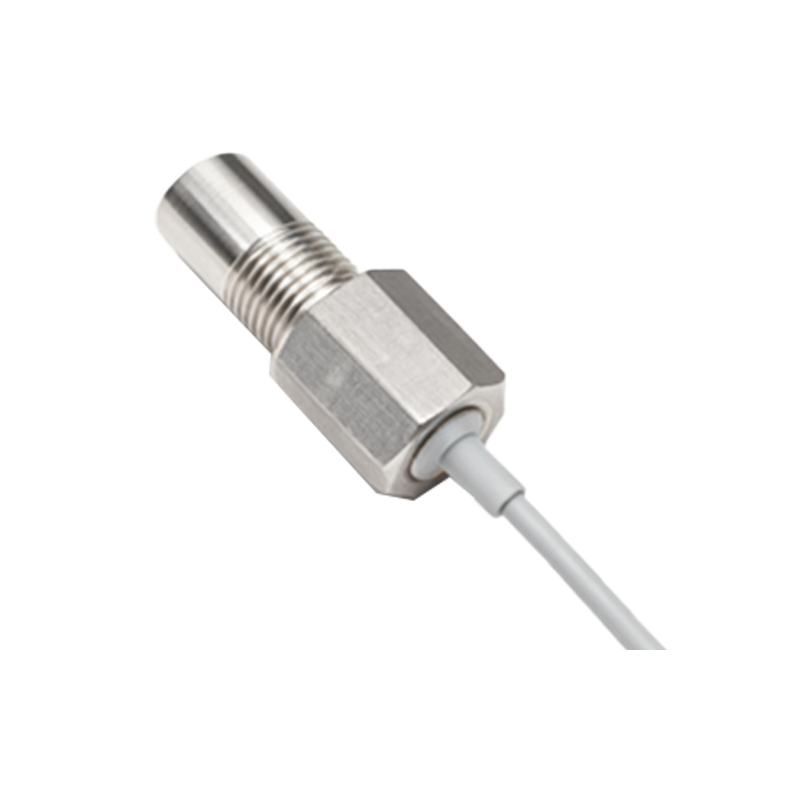
When selecting between speed and proximity sensors, factors such as environmental conditions, target material, required accuracy, and cost must be considered. Speed sensors may be sensitive to alignment and vibration, necessitating careful installation. Proximity sensors might have limitations based on material composition or ambient interference. Regular maintenance and calibration are recommended to ensure long-term reliability, as sensor performance can degrade over time due to factors like temperature fluctuations or contamination.
In summary, speed sensors and proximity sensors are fundamental components in modern engineering, each serving unique roles in measurement and detection. By grasping their principles and applications, professionals can make informed decisions to improve system designs, leading to safer, more efficient, and innovative solutions across various fields. As technology advances, these sensors continue to evolve, offering greater precision and adaptability for future challenges.