The proximity sensor industry stands as a critical pillar within the broader landscape of industrial automation, consumer electronics, and smart systems. These devices, designed to detect the presence or absence of an object within a specific range without physical contact, have evolved from simple applications to becoming indispensable components in modern technology. The industry's growth is fundamentally driven by the relentless march towards automation, the Internet of Things (IoT), and the demand for enhanced safety and efficiency across sectors.
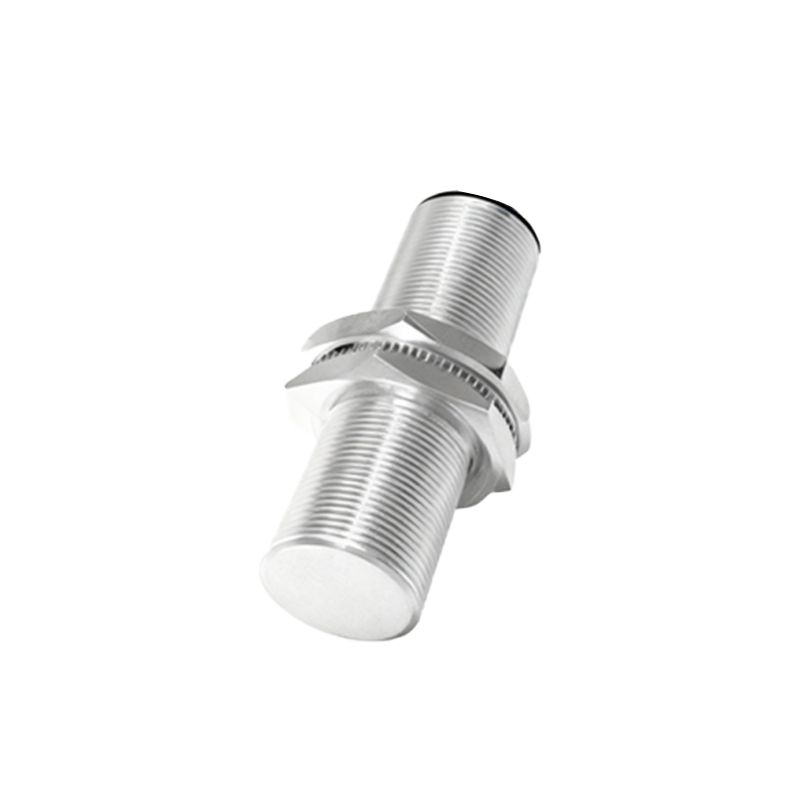
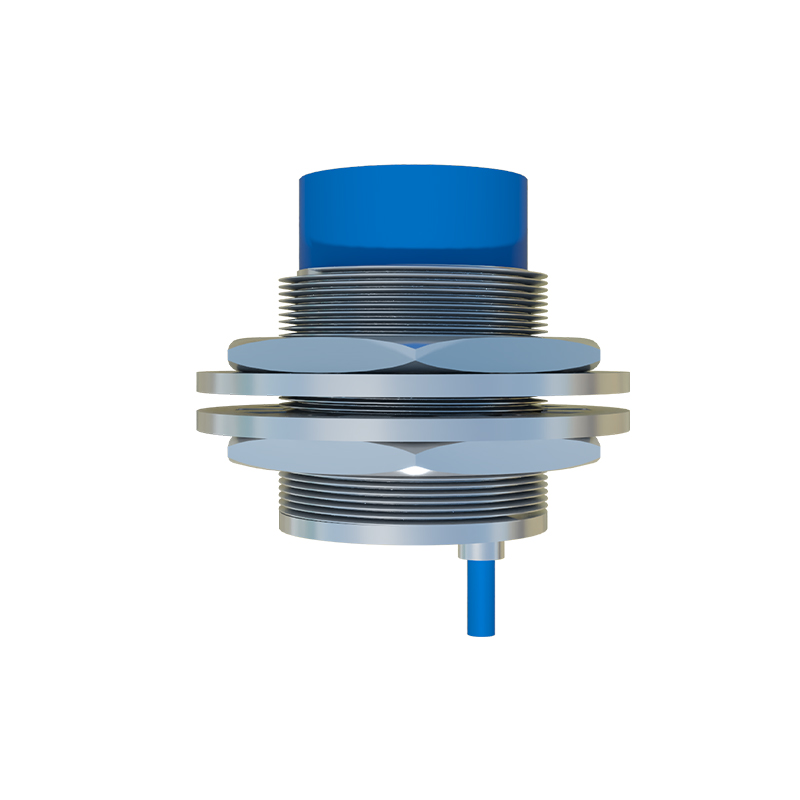
At its core, the industry revolves around several key sensing technologies, each with distinct principles and optimal use cases. Inductive proximity sensors are workhorses in industrial settings, detecting metallic objects through electromagnetic fields. They are prized for their robustness, reliability in harsh environments, and insensitivity to non-metallic materials like dust or oil. Capacitive sensors, on the other hand, can detect both metallic and non-metallic materials, including liquids and granular substances, by measuring changes in capacitance. This makes them ideal for level detection, material handling, and touch-sensitive interfaces. Photoelectric sensors utilize light beams (infrared, laser, or visible) to detect objects, offering long sensing ranges and high precision, commonly found in packaging, material handling, and security systems. Ultrasonic sensors use sound waves to measure distance and detect objects, excelling in environments with dust, smoke, or varying lighting conditions, often used in parking assistance, tank level monitoring, and robotics.
The market landscape is characterized by intense competition and continuous innovation. Leading global players, including established giants like Siemens, Omron, Rockwell Automation, and Pepperl+Fuchs, compete with agile specialized firms. The competitive edge is increasingly defined by miniaturization, enhanced intelligence, and connectivity. Modern proximity sensors are no longer simple binary switches; they are becoming smarter, integrating microprocessors for self-diagnostics, condition monitoring, and digital communication via protocols like IO-Link, PROFINET, or EtherNet/IP. This integration transforms them into data points within larger Industrial IoT (IIoT) ecosystems, providing valuable operational insights.
Application areas are vast and expanding. In automotive manufacturing, proximity sensors ensure precision in robotic assembly, part positioning, and safety guarding. The consumer electronics sector relies on them for touchless controls, screen activation, and gesture recognition in smartphones, tablets, and appliances. In the aerospace and defense sector, they contribute to landing gear systems and safety mechanisms. The burgeoning fields of robotics and collaborative robots (cobots) use arrays of proximity sensors for safe human-robot interaction and environmental awareness. Furthermore, the rise of smart cities and building automation utilizes these sensors for lighting control, occupancy detection, and smart parking solutions.
Several powerful trends are shaping the industry's future. The integration with IIoT and Industry 4.0 is paramount, pushing for sensors that offer predictive maintenance capabilities and seamless data exchange. The demand for miniaturized, low-power sensors is soaring, driven by portable and battery-operated devices. There is also a growing emphasis on developing sensors capable of operating in extreme conditions—higher temperatures, greater pressures, and corrosive environments—to serve sectors like oil & gas and heavy machinery. Additionally, the convergence of sensing technologies, such as combining proximity sensing with vision systems or inertial measurement units, is creating more versatile and context-aware solutions.
Despite the optimistic outlook, the industry faces notable challenges. Price pressure, especially in high-volume consumer applications, remains constant. Technical challenges include improving immunity to environmental interference (e.g., electromagnetic noise for inductive sensors, ambient light for photoelectric sensors) and enhancing sensing accuracy for complex object shapes and surfaces. Supply chain volatility for semiconductors and raw materials also poses a risk to stable production.
In conclusion, the proximity sensor industry is a dynamic and essential field, transitioning from providing basic detection functions to enabling intelligent, connected, and autonomous systems. Its trajectory is firmly aligned with global technological advancements in automation, digitalization, and smart infrastructure. As machines become more perceptive of their surroundings and interactions, the role of reliable, advanced proximity sensing will only become more profound, solidifying its position as a foundational technology for the future of manufacturing and beyond.