Introduction to Vertical Proximity Sensing Technology
Vertical proximity sensors represent a critical category within the broader field of industrial automation and sensing technology. These devices are engineered to detect the presence or absence of an object within a specified vertical range without making physical contact. Unlike standard proximity sensors that may have a more generalized detection field, vertical variants are specifically optimized for sensing along a vertical axis, making them indispensable in applications where height, level, or vertical positioning is the primary parameter. The core principle relies on emitting a field or beam and analyzing changes in the return signal caused by a target object's intrusion into the sensing zone. This non-contact method ensures high reliability, minimal wear and tear, and the ability to detect a wide variety of materials, from metals to plastics and liquids.
Core Operating Principles and Types
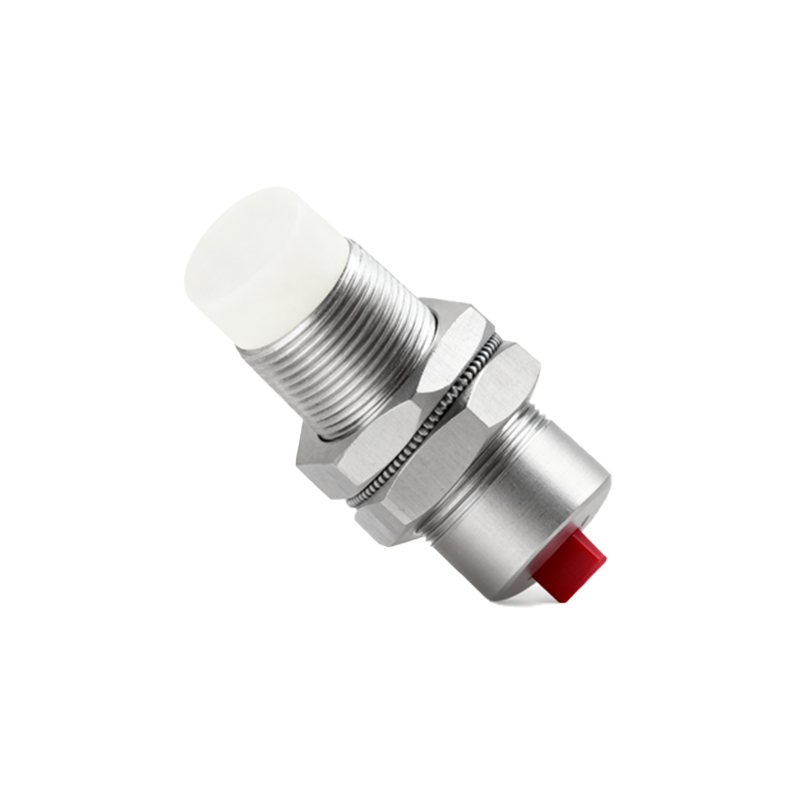
The functionality of vertical proximity sensors is governed by several distinct physical principles, each suited to different application environments. Inductive sensors are among the most common, generating an electromagnetic field to detect metallic objects. They are highly precise and robust, ideal for machine automation and robotic systems where metal components are involved. Capacitive sensors, on the other hand, can detect both metallic and non-metallic materials by measuring changes in capacitance. This makes them perfect for level detection of liquids, powders, or granular materials in tanks and hoppers. Ultrasonic sensors utilize sound waves, measuring the time-of-flight of an echo to determine distance. They excel in challenging environments with dust, vapor, or varying material colors. Finally, photoelectric sensors use a light beam, typically infrared, and are excellent for long-range detection and sensing small objects, though they can be affected by environmental contaminants.
Key Design Considerations and Specifications
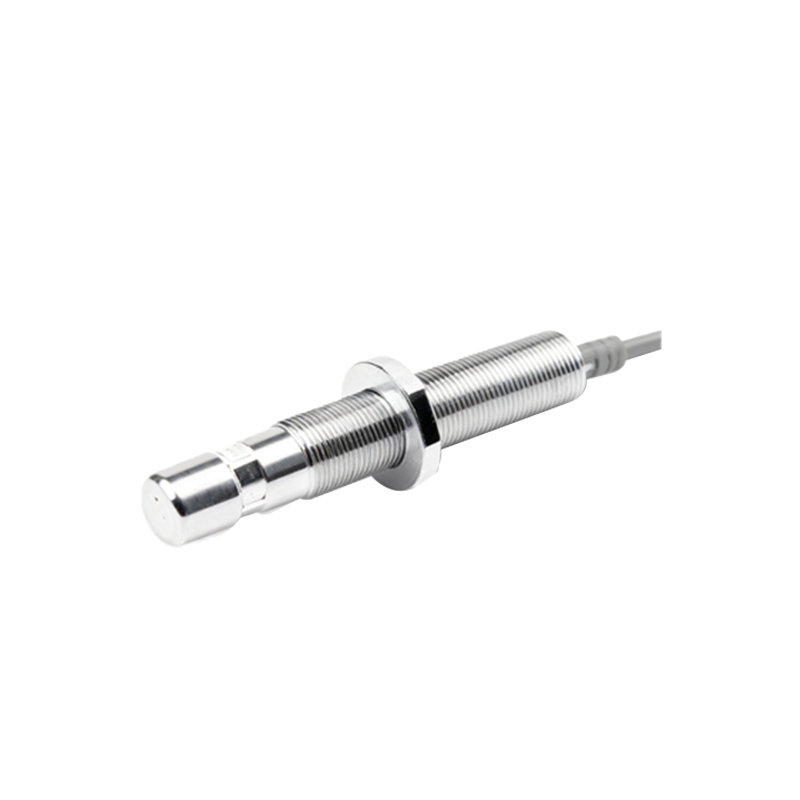
Selecting the appropriate vertical proximity sensor requires a thorough analysis of several technical specifications. Sensing range, often denoted as Sn, is paramount; it defines the maximum reliable detection distance from the sensor face. The repeatability, or the sensor's ability to consistently detect an object at the same point, is crucial for precision applications. Response time indicates how quickly the sensor can react to a target's presence, a vital factor in high-speed automation. Environmental factors such as operating temperature, ingress protection (IP) rating against dust and moisture, and resistance to chemicals or mechanical shock must align with the installation conditions. Additionally, the output type—whether NPN, PNP, analog, or IO-Link—must be compatible with the control system architecture. The physical housing design, including threaded barrels or rectangular formats, also impacts mounting and integration.
Primary Industrial Applications and Use Cases
The application spectrum for vertical proximity sensors is vast and integral to modern manufacturing and process control. In automated assembly lines, they are deployed for precise vertical positioning of components, robot arm guidance, and end-effector tool verification. Within the packaging industry, these sensors accurately control the fill level in bottles and containers, ensuring consistent product volume. Material handling systems rely on them for pallet detection, stack height monitoring, and conveyor belt jam prevention. In the automotive sector, they facilitate robotic welding by ensuring correct panel alignment and verify the presence of critical parts. Furthermore, in food and beverage processing, capacitive and ultrasonic vertical sensors monitor silo and tank levels, preventing overflows or run-dry conditions, thereby enhancing safety and efficiency.
Installation, Calibration, and Maintenance Best Practices
Proper installation is fundamental to achieving optimal sensor performance. Mounting must be secure and vibration-resistant, with careful attention to the recommended sensing distance and avoidance of dead zones. It is critical to ensure that the target object approaches the sensor within its specified vertical axis to avoid false triggers from adjacent objects. Calibration, especially for analog or ultrasonic sensors, may be necessary to set thresholds for specific detection points or levels. Regular maintenance involves keeping the sensor face clean from obstructions like dust, oil, or debris, which can attenuate signals. Periodic functional checks should be integrated into the plant's preventative maintenance schedule to verify switching accuracy and output integrity, thus minimizing unplanned downtime.
Future Trends and Technological Advancements
The evolution of vertical proximity sensors is closely tied to trends in Industry 4.0 and smart manufacturing. A significant advancement is the integration of intelligent features via IO-Link communication, which allows for detailed parameter setting, real-time diagnostics, and process data monitoring directly from the sensor. Miniaturization continues, enabling sensors to fit into increasingly compact machinery. Enhanced robustness is another focus, with developments leading to sensors capable of withstanding extreme temperatures, high-pressure washdowns, and intense electromagnetic interference. Furthermore, the fusion of sensing principles, such as combining inductive and capacitive elements in a single housing, is emerging to create more versatile devices that can handle a wider array of detection tasks with a single unit, simplifying