Understanding the Core Technology and Market Segmentation
The journey to becoming a successful proximity sensor supplier begins with a deep, technical understanding of the product landscape. Proximity sensors are not a monolithic category; they are segmented by technology—inductive, capacitive, ultrasonic, photoelectric, and magnetic. Each type has distinct operating principles, optimal sensing ranges, and material compatibilities. An inductive sensor, for instance, excels at detecting metallic objects but is blind to plastics, while a capacitive sensor can detect both. A top-tier supplier must master these nuances. Beyond technology, market segmentation is critical. The requirements for a sensor in a high-speed packaging line differ vastly from those in a rugged mining excavator or a sterile pharmaceutical cleanroom. Suppliers must identify their target verticals—be it automotive manufacturing, food and beverage, material handling, or robotics—and tailor their product development, marketing, and support accordingly. Success hinges on speaking the specific language of each industry, addressing unique challenges like washdown compatibility, extreme temperatures, or immunity to electromagnetic interference.
Building a Robust and Differentiated Product Portfolio
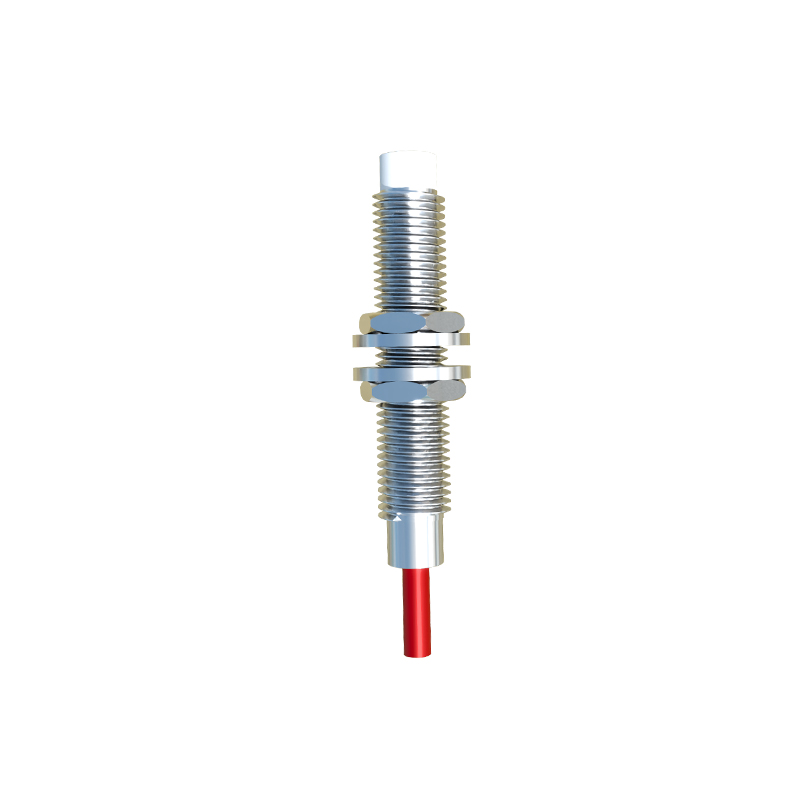
A diverse and reliable product portfolio is the cornerstone of any supplier's reputation. This goes beyond simply offering a catalog of sensors. It involves designing for robustness, precision, and longevity. Key differentiators include sensing distance consistency, housing materials (e.g., stainless steel for corrosive environments), output types (PNP/NPN, analog, IO-Link), and form factors (barrel, rectangular, ring-shaped). In today's connected industry landscape, integrating smart features like IO-Link communication is no longer a luxury but a necessity. This technology enables parameter setting, condition monitoring, and diagnostic data exchange, adding immense value for end-users seeking predictive maintenance capabilities. Furthermore, suppliers should consider offering complementary products such as sensor cables, connectors, and mounting accessories. A portfolio that provides complete solutions, rather than isolated components, simplifies procurement for customers and builds stronger, more sticky business relationships.
Implementing Rigorous Quality Assurance and Testing Protocols
In industrial applications, sensor failure can lead to costly production downtime, safety hazards, and reputational damage. Therefore, an uncompromising commitment to quality is non-negotiable. Successful suppliers implement rigorous quality management systems, often certified to standards like ISO 9001. This involves stringent testing at multiple stages: component sourcing, in-process assembly, and final product validation. Environmental testing is paramount—sensors should be tested for performance under vibration, shock, temperature cycles, and ingress protection (IP ratings). Electrical testing ensures stable operation under voltage fluctuations and electromagnetic noise. Documenting these processes and providing detailed datasheets with guaranteed specifications builds trust. Offering extended warranties or mean time between failure (MTBF) data can be a powerful testament to product reliability, giving engineers the confidence to specify your sensors in their critical designs.
Developing a Strategic Technical Support and Sales Ecosystem
The most advanced sensor is useless if the customer cannot integrate it effectively. A superior technical support framework is a major competitive advantage. This requires a two-pronged approach: an educated direct sales force and a empowered distribution network. Internal application engineers must be adept at solving complex sensing challenges, providing pre-sales consultation, and creating detailed application notes. Simultaneously, investing in distributor training is essential. Distributors are the frontline; they must be equipped with product knowledge, sample kits, and configuration tools to provide localized, responsive support. Creating comprehensive online resources—3D CAD models, selection guides, wiring diagrams, and a searchable technical documentation library—empowers customers for self-service. Furthermore, maintaining an active presence on professional engineering forums and providing swift, expert responses to queries can significantly enhance brand credibility and generate valuable leads.
Mastering Digital Marketing and Thought Leadership
In the digital age, a strong online presence is crucial for discovery and engagement. A supplier's website must be more than an online catalog; it should serve as a technical resource hub. Content marketing through a well-maintained blog, whitepapers, and case studies that demonstrate successful sensor implementations in real-world scenarios establishes thought leadership. Search engine optimization (SEO) for key technical phrases (e.g., "long-range inductive sensor," "IO-Link proximity switch") is vital to attract engineers during their research phase. Leveraging platforms like LinkedIn for targeted advertising and sharing technical insights can reach a professional audience effectively. Webinars on trending topics, such as the role of sensors in Industry 4.0 or IIoT, position the company as an innovator. Ultimately, digital efforts should aim to educate the market, showcasing not just products, but deep application expertise that solves tangible industrial problems.