Introduction to Z-Type Sensor Brackets
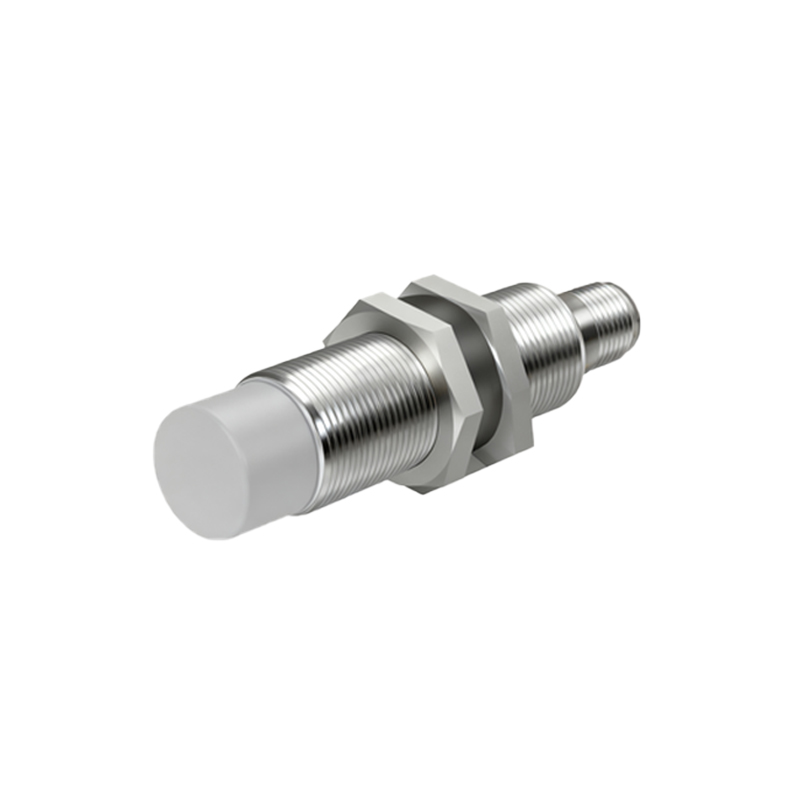
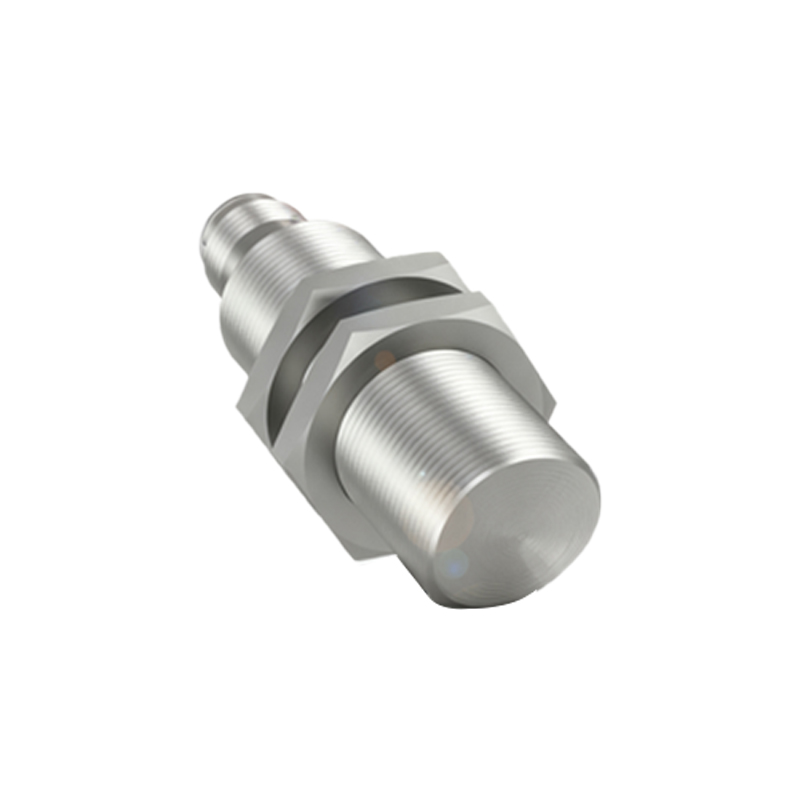
In the realm of industrial automation, the precise and reliable mounting of sensing devices is paramount. The Z-type sensor bracket, specifically engineered for proximity switches, stands as a critical component in achieving this goal. This bracket design, characterized by its distinctive Z-shaped profile, offers a versatile and robust solution for positioning inductive, capacitive, or photoelectric proximity sensors in challenging environments. Its primary function is to provide a secure, adjustable mounting point that ensures the sensor maintains the correct orientation and sensing distance relative to the target object, which is often a metallic part on a moving machine. The geometry of the Z-type bracket allows for installation in confined spaces and facilitates alignment adjustments that are not easily achievable with standard L-shaped or straight mounts, thereby enhancing the overall reliability and repeatability of the sensing application.
Key Design Features and Material Considerations
The effectiveness of a Z-type proximity switch bracket hinges on its thoughtful design and construction. Typically fabricated from high-grade steel, stainless steel, or aluminum, these brackets are built to withstand vibration, mechanical shock, and exposure to oils, coolants, and other industrial fluids. The Z-shape itself provides a significant offset, allowing the sensor to be positioned away from the mounting surface. This is crucial for clearing obstacles, routing cables neatly, or sensing targets that are not directly in line with the machine frame. Key design features often include elongated mounting slots for precise positional adjustment along multiple axes, a reinforced bend area for added rigidity, and a standardized mounting hole pattern compatible with common proximity switch housings. The choice of material is application-dependent; stainless steel is preferred for corrosive or washdown environments, while aluminum offers a lightweight alternative for dynamic applications.
Installation and Alignment Best Practices
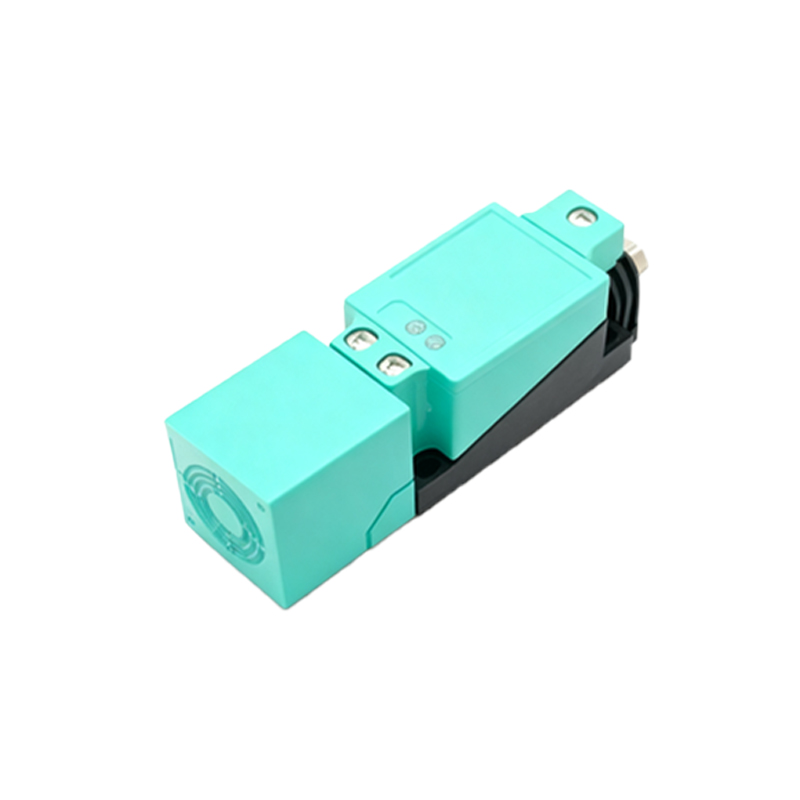
Proper installation is vital to harness the full potential of a Z-type sensor bracket. The process begins with selecting the correct bracket size and sensor type for the specific detection task. The bracket should first be securely fastened to a stable machine structure using appropriate hardware, ensuring it does not flex under operational loads. The proximity switch is then mounted into the bracket's sensor holder. The critical step involves fine-tuning the sensor's position. Utilizing the bracket's adjustment slots, the technician must position the sensor face parallel to the target surface and set the sensing gap to the manufacturer's specified nominal value. This gap is typically a fraction of the sensor's rated sensing distance to account for potential machine tolerances and thermal expansion. A final verification using the target object under actual or simulated operating conditions is essential to confirm reliable and repeatable switching.
Common Industrial Applications and Use Cases
Z-type brackets find widespread use across diverse industrial sectors due to their adaptability. In automotive assembly lines, they are employed to detect the presence or position of engine blocks, pistons, or robotic end-effectors. Within packaging machinery, these brackets mount sensors that count bottles, verify cap placement, or monitor film feed positions. On metalworking CNC machines, they are indispensable for tool breakage detection, part positioning on pallets, and monitoring door or guard positions for safety interlocking. The offset provided by the Z-shape is particularly beneficial in material handling systems, such as conveyor belts, where sensors need to detect the passage of objects without interfering with the material flow. Their robust design also makes them suitable for harsh environments like foundries, pulp and paper mills, and mining operations.
Advantages Over Alternative Mounting Solutions
When compared to simpler mounting methods, Z-type brackets offer several compelling advantages. Their adjustable nature significantly reduces installation time and allows for easy recalibration during maintenance, unlike welded or fixed mounts. The increased standoff distance protects the sensor from direct physical damage from the target or debris accumulation. Furthermore, the structured mounting system improves system organization, leading to cleaner cable management and reduced risk of wiring damage. From a maintenance perspective, a sensor on a Z-bracket can often be replaced or serviced without disturbing the primary bracket mounting, minimizing machine downtime. This combination of protection, precision, and serviceability directly contributes to higher machine uptime, improved product quality, and lower total cost of ownership for the sensing system.
Troubleshooting and Maintenance Guidelines
Even with a well-installed Z-type bracket, sensor issues may arise. Common problems include false triggers or failure to detect. Troubleshooting should start with a visual inspection of the bracket and sensor for physical damage, loose fasteners, or misalignment caused by machine vibration. The sensing face should be cleaned of any oil, dust, or metal chips that could attenuate the signal. Using a diagnostic tool or the sensor's indicator LED, verify the electrical operation. If alignment is suspect, slightly loosen the bracket's adjustment screws and recal