What Are Square Proximity Sensors?
Square proximity sensors, as the name suggests, are non-contact sensing devices housed in a rectangular or square-shaped body. They are a specific form factor within the broader family of proximity sensors, designed to detect the presence or absence of metallic or non-metallic objects without any physical contact. The square design often provides a stable mounting surface and can be advantageous in applications where space constraints favor a flat-sided profile over a cylindrical one. These sensors operate on various principles, including inductive, capacitive, and sometimes photoelectric technologies, with inductive being the most common for metal detection. The square housing typically contains the sensing face, electronics, and connection terminals, offering robust protection against industrial environments.
Key Operational Principles and Technologies
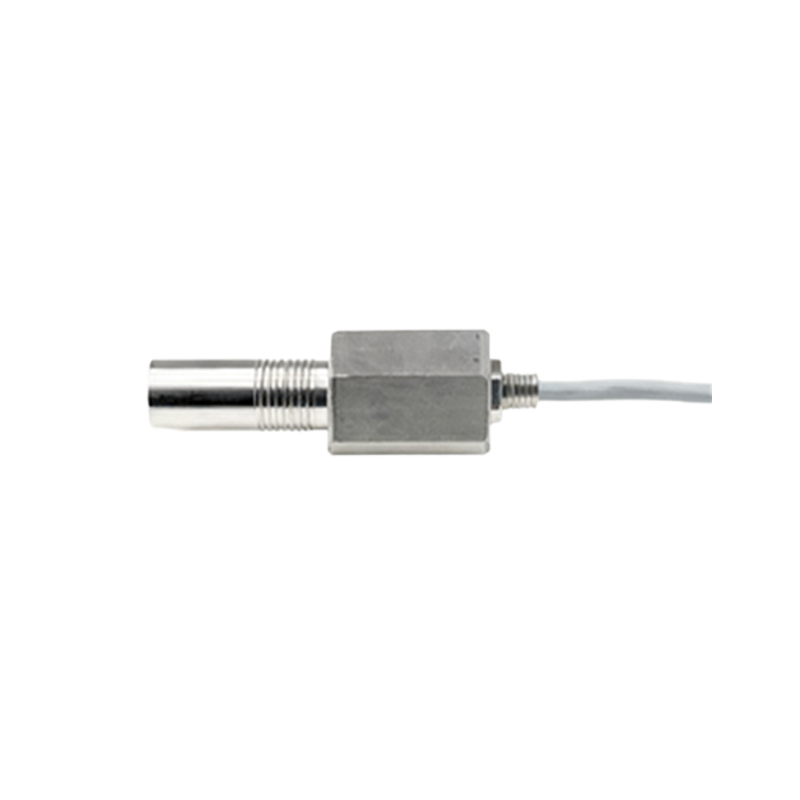
The functionality of a square proximity sensor depends on its core technology. Inductive square sensors generate an electromagnetic field from the sensing face. When a metallic object enters this field, it causes a change in oscillation amplitude, which the sensor's circuit detects, triggering a solid-state output switch. Capacitive square sensors work similarly but can detect both metallic and non-metallic materials (like liquids, plastics, or wood) by sensing changes in capacitance. The square form factor does not alter the fundamental physics but influences the shape and spread of the detection field. Engineers select the technology based on the target material, required sensing distance, and environmental conditions such as dust, moisture, or temperature extremes.
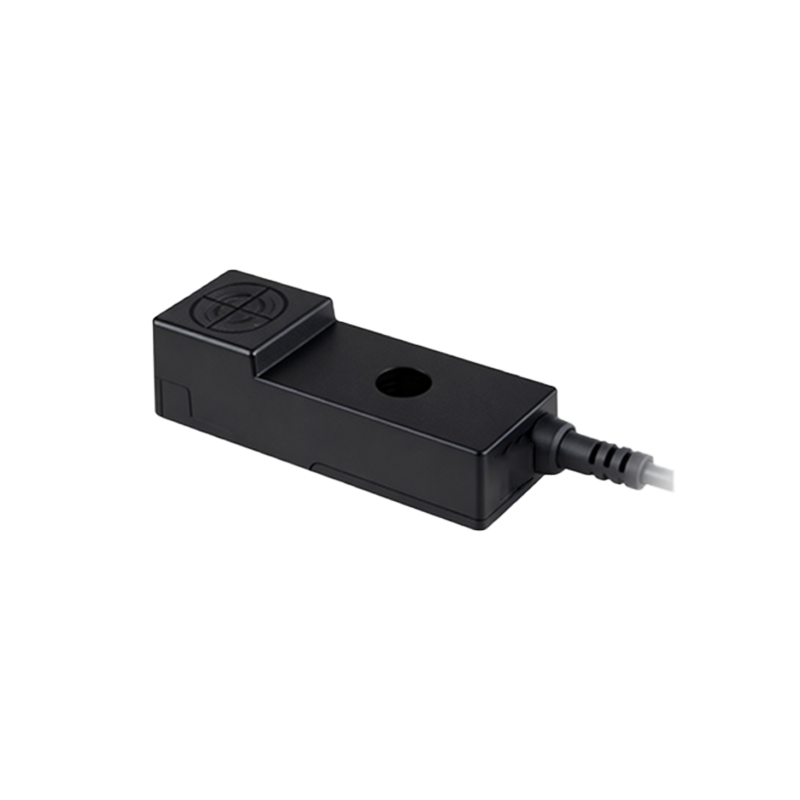
Analyzing Square Proximity Sensor Images: Key Features
Examining images of square proximity sensors reveals critical design and specification elements. First, observe the housing material, usually nickel-plated brass, stainless steel, or industrial-grade plastics like PBT, indicating its environmental resistance (IP rating). The sensing face is clearly visible, often marked with symbols denoting the type (e.g., inductive or capacitive). LED indicators for power and output status are typically present. Connection methods are crucial; images show whether it has a pre-wired cable, a quick-disconnect (M8 or M12 connector), or terminal blocks. Dimensional drawings in product images provide exact size, mounting hole patterns, and sensing range specifications. The label displays vital information: operating voltage (e.g., 10-30V DC), output type (PNP/NPN, NO/NC), and part number.
Advantages of the Square Design in Industrial Applications
The square form factor offers distinct benefits. Its flat sides allow for easy side-by-side or flush mounting in control panels, machinery frames, or conveyor systems without the need for special brackets, maximizing space efficiency. The larger surface area can sometimes accommodate a larger sensing coil or electronics, potentially offering longer sensing ranges or additional functionalities like analog outputs or IO-Link communication in compact devices. The design often provides better resistance to torsional forces during installation compared to cylindrical sensors. Furthermore, square sensors can be embedded into machine structures with only the sensing face exposed, offering superior mechanical protection.
Common Applications Illustrated Through Use-Case Images
Photographs and diagrams in catalogs showcase typical applications. A common image might show multiple square inductive sensors mounted on a metal frame to count or position metal parts on an assembly line. Another could depict a capacitive square sensor monitoring the fill level of a plastic or glass container in packaging machinery. Images often highlight use in robotics, where square sensors are integrated into gripper jaws to detect part presence. In automated storage systems, they are shown verifying the position of pallets or totes. These visual examples help engineers understand how to implement the sensor, including correct mounting orientation, required clearance around the sensing face, and typical sensing distances for various target materials.
Critical Selection Criteria Based on Specifications
Choosing the right square proximity sensor requires analyzing parameters beyond the image. The sensing distance, often specified as "nominal" or "rated," is paramount and varies with target material and size. The hysteresis (difference between switch-on and switch-off points) ensures stable operation. Response frequency indicates how quickly it can detect objects passing by. Environmental ratings like IP67 or IP69K define protection against dust and water ingress, crucial for washdown areas in food & beverage. Temperature range ensures operation in cold storage or near ovens. Output configuration (e.g., PNP normally open) must match the PLC input card. Finally, special features like weld-field immunity (for robotic welding), chemical resistance, or FDA-compliant materials may be necessary.
Installation and Wiring Considerations
Proper installation is key to reliable operation. Images frequently include mounting diagrams showing required recesses or non-metallic surroundings to ensure the stated sensing range is achieved. For inductive sensors, a metallic background can reduce the effective sensing distance. Wiring diagrams are essential: brown wire typically to DC