Introduction to Wenlor Photoelectric Sensors
Wenlor has established itself as a significant player in the industrial automation components market, offering a diverse range of photoelectric sensors. These devices are crucial for object detection, counting, and positioning in various manufacturing and logistics applications. The brand is often recognized for providing a balance between reliable performance and competitive pricing, making its products a common consideration for system integrators and OEMs. Understanding the price structure of Wenlor sensors requires an examination of their technology types, specifications, and the broader market dynamics that influence cost.
Key Factors Influencing Wenlor Sensor Pricing
The price of a Wenlor photoelectric sensor is not a single figure but a spectrum determined by several technical and commercial factors. Firstly, the sensing mode—diffuse, retro-reflective, or through-beam—impacts cost, with through-beam models typically being more affordable per pair but requiring two units. Advanced models with background suppression or precise color recognition command higher prices. Secondly, sensing range is a major determinant; a standard 1-meter range sensor is considerably less expensive than a long-range 10-meter variant. Output type (NPN/PNP, NO/NC) and housing material (plastic vs. metal for harsh environments) also contribute to the final price. Finally, special features like built-in timers, analog outputs, or IO-Link communication interfaces add layers of functionality and cost.
Price Range and Typical Market Positioning
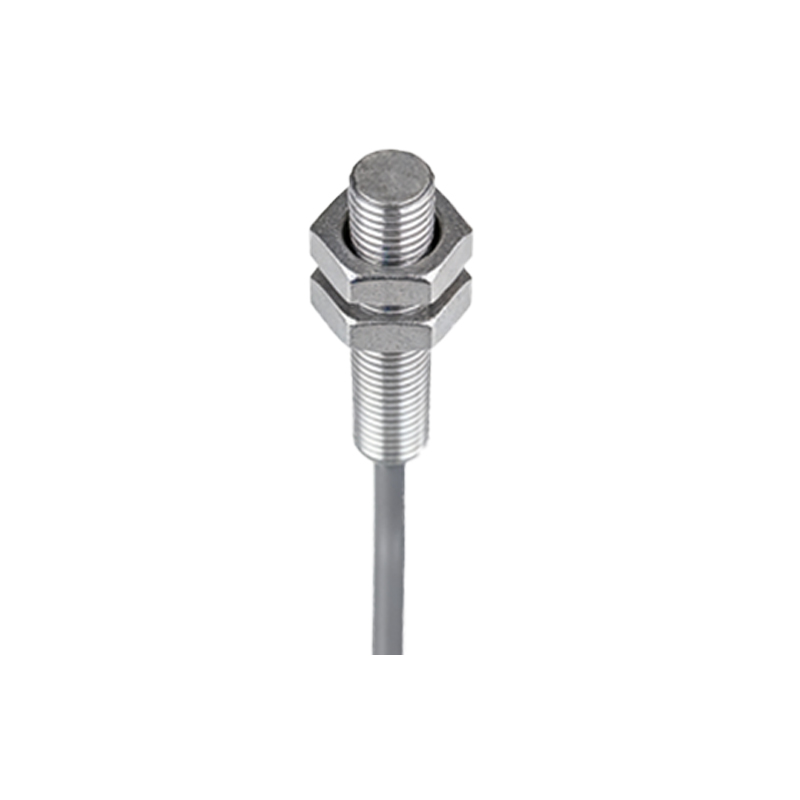
In the global industrial components market, Wenlor sensors are generally positioned in the mid to low-mid price segment. A basic, standard-range diffuse sensor with a plastic housing might be priced very competitively, often appealing to cost-sensitive projects or high-volume applications. More sophisticated models with longer ranges, specialized housings (e.g., stainless steel for washdown areas), or intelligent features see a corresponding price increase. However, they typically remain below the premium tier occupied by brands like Banner Engineering or Sick AG. This positioning makes Wenlor a viable option for small to medium-sized enterprises and for applications where extreme high-end performance is not critical, but reliability is still expected.
Comparison with Competing Brands
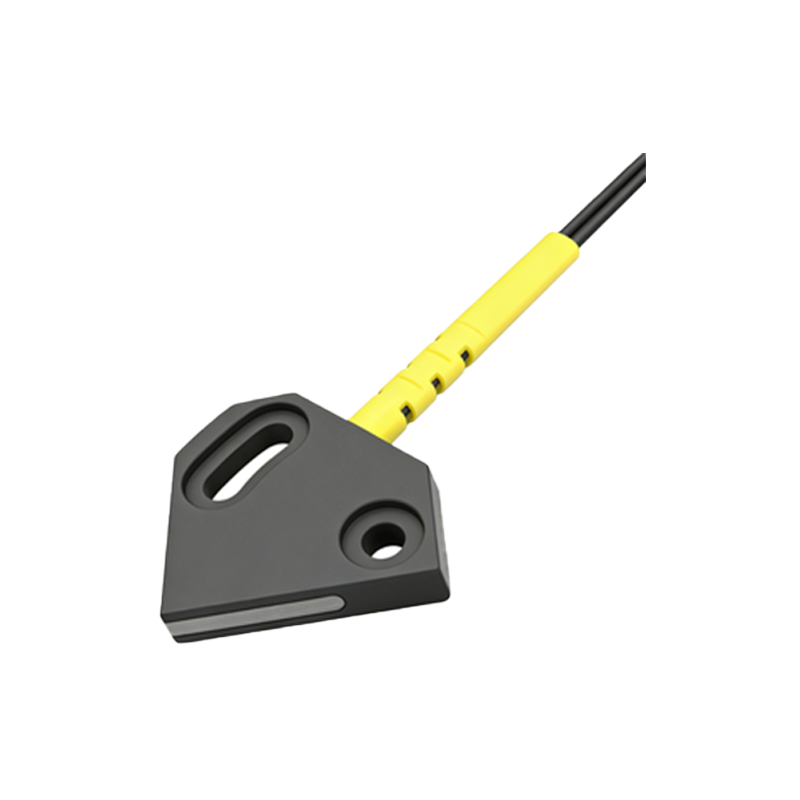
When evaluating Wenlor photoelectric sensor prices, a comparison with direct competitors is essential. Brands like Omron, Panasonic, and Keyence offer sensors across all price points, with their entry-level models sometimes overlapping with Wenlor's mid-range. Wenlor often competes by offering similar specifications at a 10-20% lower price point in many regions. However, this price advantage may come with trade-offs in brand recognition, global service network depth, or sometimes in the breadth of certification (e.g., specific international safety standards). Buyers must weigh the initial cost savings against long-term factors like warranty support, availability of spare parts, and the sensor's proven mean time between failures (MTBF) in field applications.
Procurement Channels and Their Impact on Cost
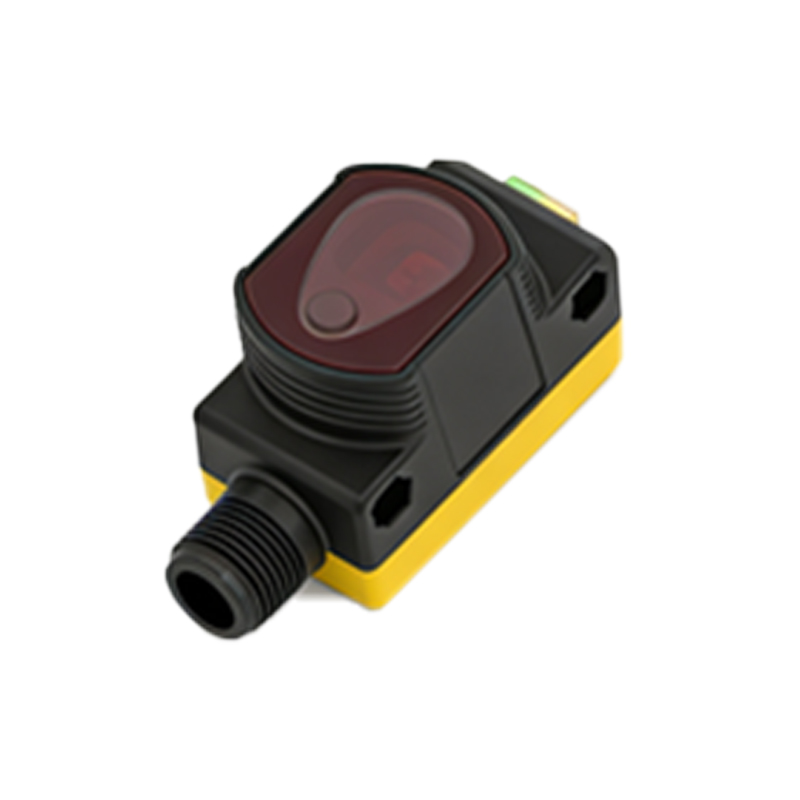
The final price paid for a Wenlor sensor heavily depends on the procurement channel. Purchasing directly from authorized industrial distributors or the manufacturer's regional sales office often provides volume discounts but may have higher minimum order quantities. Online industrial marketplaces and e-commerce platforms can offer lower prices for single units or small batches due to competitive listings, but buyers must verify authenticity and warranty terms. Furthermore, geographical location affects pricing due to import duties, local taxes, and logistics costs. A sensor priced affordably in one region may have a significantly higher landed cost in another, making local distributor relationships important for accurate final pricing.
Future Price Trends and Economic Considerations
The pricing landscape for photoelectric sensors, including Wenlor products, is subject to macroeconomic and industry-specific trends. Fluctuations in the cost of raw materials (plastics, metals, electronic chips) directly impact manufacturing costs. The increasing adoption of Industry 4.0 and IIoT is driving demand for smart sensors with communication capabilities, which may shift the average selling price upward over time. Conversely, manufacturing efficiencies and increased competition, especially from Asian manufacturers, can exert downward pressure on prices for standard models. For buyers, this means that while current Wenlor sensor prices offer value, future procurement strategies should account for potential volatility and consider the total cost of ownership rather than just the unit price.