Introduction to Proximity Sensing Technology
Proximity switch sensors represent a cornerstone of modern industrial automation, providing non-contact detection of metallic objects. Among the diverse range of sensors available, the H70D model stands out for its robust design and reliable performance in demanding environments. These inductive proximity sensors operate on the principle of electromagnetic induction, generating an oscillating electromagnetic field from a coil within the sensor head. When a metallic target enters this detection field, it induces eddy currents, causing a change in the oscillation amplitude. This change is detected by the sensor's circuitry, triggering a solid-state output signal. The H70D is engineered to deliver precise and repeatable detection without physical contact, eliminating mechanical wear and tear, which is a significant advantage over traditional mechanical limit switches. This fundamental technology enables countless automation processes, from simple part presence verification to complex positioning and counting tasks on high-speed production lines.
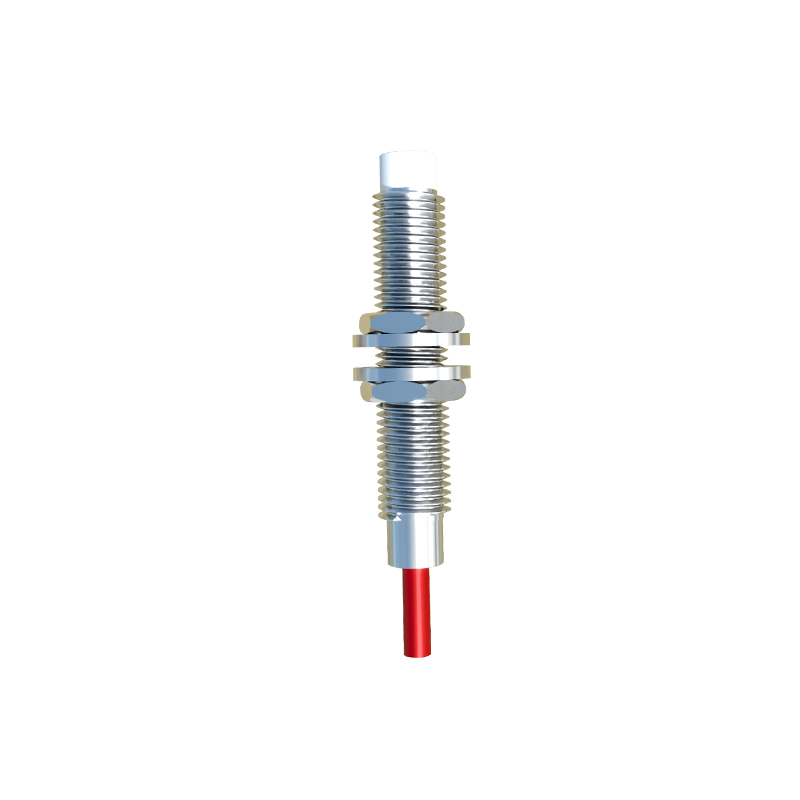
Key Features and Technical Specifications of the H70D
The H70D proximity sensor is designed with a focus on durability and precision. A key feature is its all-stainless-steel housing, which provides exceptional resistance to corrosion, chemicals, and physical impacts, making it suitable for harsh industrial settings like machining, welding, and washdown areas. Typically, the H70D offers a standard sensing range, for instance, 15mm, for ferrous metals, with a repeat accuracy within microns. It operates on a wide range of DC voltages, commonly 10-30V DC, and provides both NPN (sinking) and PNP (sourcing) output configurations to seamlessly integrate with various PLCs and control systems. The sensor incorporates advanced circuitry for protection against short-circuit, reverse polarity, and voltage spikes. Many variants also feature an LED status indicator for easy diagnostics. Its compact, cylindrical form factor (e.g., M30 threaded barrel) allows for easy mounting in space-constrained applications. The operating temperature range is broad, ensuring functionality from freezing cold to elevated temperatures found in industrial ovens or forging plants.
Installation and Wiring Best Practices
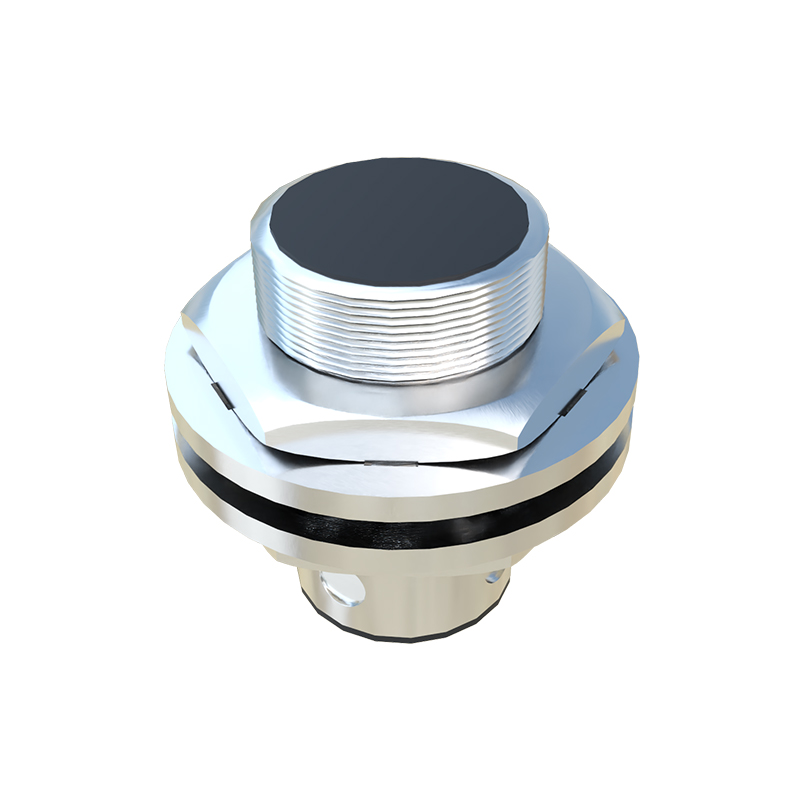
Correct installation is paramount for optimal performance and longevity of the H70D sensor. Mounting should be secure, using the appropriate locknut to prevent loosening from vibration. It is critical to maintain the specified lateral and axial clearance from surrounding metal objects to avoid false triggering or a reduction in the effective sensing distance—a condition known as shielding. Wiring must adhere strictly to the manufacturer's datasheet. For a 3-wire DC sensor, the standard color coding is brown for positive supply (+V), blue for common (0V), and black for the output signal. The load (e.g., a PLC input, relay, or indicator) is connected between the output wire and the opposite supply rail, depending on the NPN or PNP type. Conduit entries or cable glands should be used to protect the cable strain relief. Always ensure power is disconnected during installation. For applications involving multiple sensors in close proximity, careful spacing or the use of sensors with anti-interference technology is necessary to prevent mutual interference.
Application Scenarios in Industrial Automation
The versatility of the H70D proximity switch sensor makes it indispensable across numerous sectors. In automotive manufacturing, it is used for robotic end-effector positioning, verifying the presence of engine blocks on pallets, and counting gears on an assembly line. In material handling and packaging, H70D sensors detect the position of pallets on conveyors, monitor fill levels in metal containers, and control the indexing of machinery. Metalworking and CNC machining centers rely on these sensors for tool breakage detection, part clamping confirmation, and monitoring spindle position. They are also crucial in safety interlocking systems, where detecting the closed position of a metal safety gate is essential before machine operation can commence. Their robust construction allows them to perform reliably in dirty, oily, or wet conditions where optical sensors might fail, ensuring continuous process integrity.
Troubleshooting Common Operational Issues
Even with a reliable sensor like the H70D, occasional issues may arise. The most common problem is failure to detect a target. This can be caused by an incorrect sensing distance, using a non-ferrous metal target outside the sensor's specification, or a buildup of debris on the sensor face. Ensure the target material and size meet the sensor's requirements and keep the active face clean. Another frequent issue is erratic switching or false signals, often resulting from electrical noise interference, grounding problems, or insufficient clearance from adjacent metal. Verify proper grounding, use shielded cables in noisy environments, and re-check installation clearances. If the sensor's LED indicator behaves abnormally or the output fails, check the power supply voltage and polarity, inspect for damaged wiring or a failed load,