Introduction to Photoelectric Sensing Technology
Photoelectric sensors are indispensable components in modern industrial automation, offering non-contact detection of objects based on the modulation of light. These devices operate by emitting a light beam—typically from an LED or laser diode—and detecting changes in the received light intensity caused by the presence, absence, or characteristics of a target object. The core principle relies on the interaction between light and matter, where the sensor's receiver converts optical signals into electrical signals for processing. This technology is favored for its high speed, long sensing ranges, and versatility across diverse environments, from clean rooms to harsh manufacturing floors. Understanding the basic working mechanisms is essential for selecting and applying the right sensor in automation systems.
Core Components and Light Sources
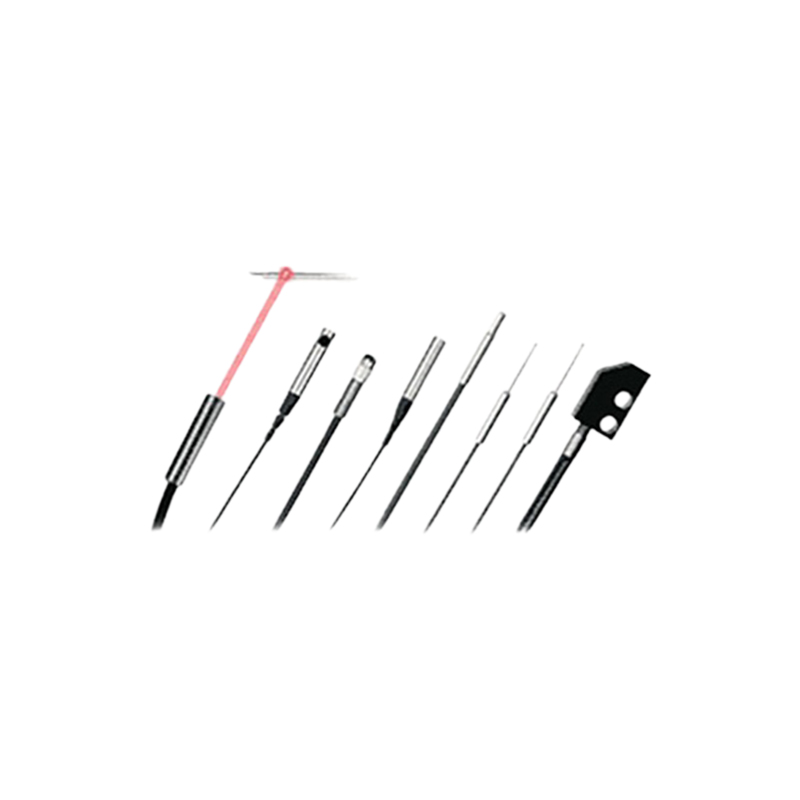
A photoelectric sensor consists of three primary elements: an emitter, a receiver, and a signal processing circuit. The emitter generates a light beam, with common sources including infrared, visible red, and laser light. Infrared LEDs are widely used due to their energy efficiency and minimal interference from ambient light, while red light sensors provide visible beam alignment for easier setup. Laser diodes offer highly focused beams for precise detection of small objects or long-range applications. The receiver, typically a phototransistor or photodiode, captures the light and converts it into an electrical current. Advanced sensors incorporate modulated light signals to enhance immunity to external light sources, ensuring reliable operation even in bright conditions.
Operating Modes: Through-Beam, Retroreflective, and Diffuse
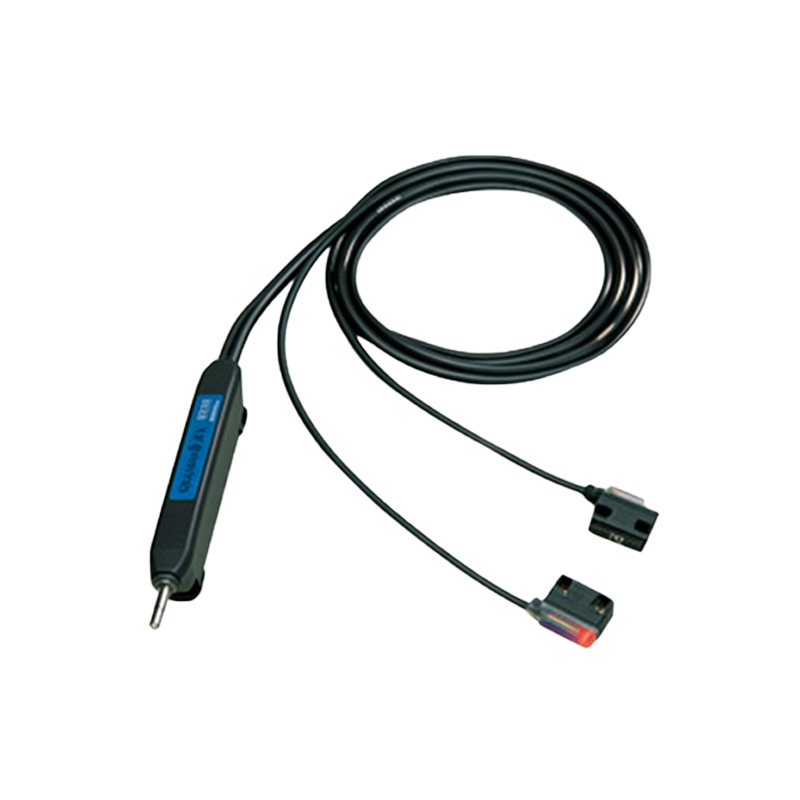
Photoelectric sensors function in three main modes, each suited to specific applications. Through-beam sensors, also known as opposed-mode sensors, use separate emitter and receiver units placed opposite each other. Detection occurs when an object interrupts the light beam, offering the longest range and highest reliability. Retroreflective sensors combine the emitter and receiver in one housing, using a reflector to bounce the light back. An object is detected when it blocks the reflected beam, providing a balance of range and ease of installation. Diffuse sensors, or proximity-mode sensors, have co-located emitter and receiver that rely on light reflected directly from the target. These are ideal for detecting objects at close ranges without additional components, though they are sensitive to the target's color and surface texture.
Key Performance Parameters and Selection Criteria
Selecting an appropriate photoelectric sensor requires evaluating several technical parameters. Sensing range defines the maximum distance at which an object can be reliably detected, varying by mode—through-beam sensors often reach tens of meters, while diffuse types may be limited to a few centimeters. Response time indicates how quickly the sensor reacts to changes, critical for high-speed production lines. Environmental factors like temperature, humidity, and exposure to dust or chemicals influence housing ratings, with IP67 or higher recommended for rugged settings. Additionally, output types (e.g., NPN/PNP transistors or analog signals) must match the control system. Understanding these criteria ensures optimal performance and longevity in industrial applications.
Applications in Industrial Automation
Photoelectric sensors are deployed across numerous industries for tasks such as object detection, counting, positioning, and quality control. In packaging lines, they verify the presence of labels or products on conveyors. Automotive manufacturing uses them to align parts or inspect assemblies. Logistics systems rely on sensors for sorting parcels and monitoring inventory levels. Their non-contact nature prevents wear and damage to both the sensor and targets, reducing maintenance needs. Advanced variants include background suppression sensors that ignore objects beyond a set distance, and color sensors that distinguish hues for quality checks. These applications highlight the technology's adaptability in enhancing efficiency and safety.
Maintenance and Troubleshooting Tips
Regular maintenance ensures consistent sensor performance. Start by cleaning lenses with a soft cloth to remove dust or debris that could attenuate the light beam. Check alignment, especially for through-beam or retroreflective setups, as vibrations may shift components over time. Verify power supply stability, since voltage fluctuations can cause erratic behavior. For troubleshooting, use diagnostic tools like LED indicators on the sensor to confirm beam reception or output activation. Common issues include false triggers from ambient light—addressed by adjusting sensitivity or using modulated light—and reduced range due to dirty optics. Keeping spare parts and following manufacturer guidelines minimizes downtime in critical operations.
Future Trends and Innovations
The evolution of photoelectric sensors is driven by Industry 4.0 and smart manufacturing demands. Innovations include IO-Link connectivity for real-time data exchange and remote configuration, enabling predictive maintenance. Miniaturization allows integration into compact devices without sacrificing range or accuracy. Enhanced algorithms improve discrimination between objects and environmental noise, boosting reliability in complex settings. Additionally, energy-efficient designs support sustainable operations. As automation becomes more interconnected, sensors will play a pivotal role in adaptive systems that self-optimize based on real-time feedback, further solidifying their status as a cornerstone of industrial innovation.