Introduction to Proximity Sensors in Modern Industry
Proximity sensors are essential components in industrial automation, enabling non-contact detection of objects within a defined range. These devices play a critical role in enhancing efficiency, safety, and precision across various sectors, including manufacturing, automotive, and robotics. By utilizing technologies such as inductive, capacitive, ultrasonic, and photoelectric sensing, proximity sensors provide reliable performance in harsh environments, contributing to streamlined operations and reduced downtime. As industries increasingly adopt smart manufacturing practices, the demand for high-quality proximity sensors continues to grow, making the selection of a reputable supplier paramount for achieving optimal system integration and long-term reliability.

Key Technologies and Applications
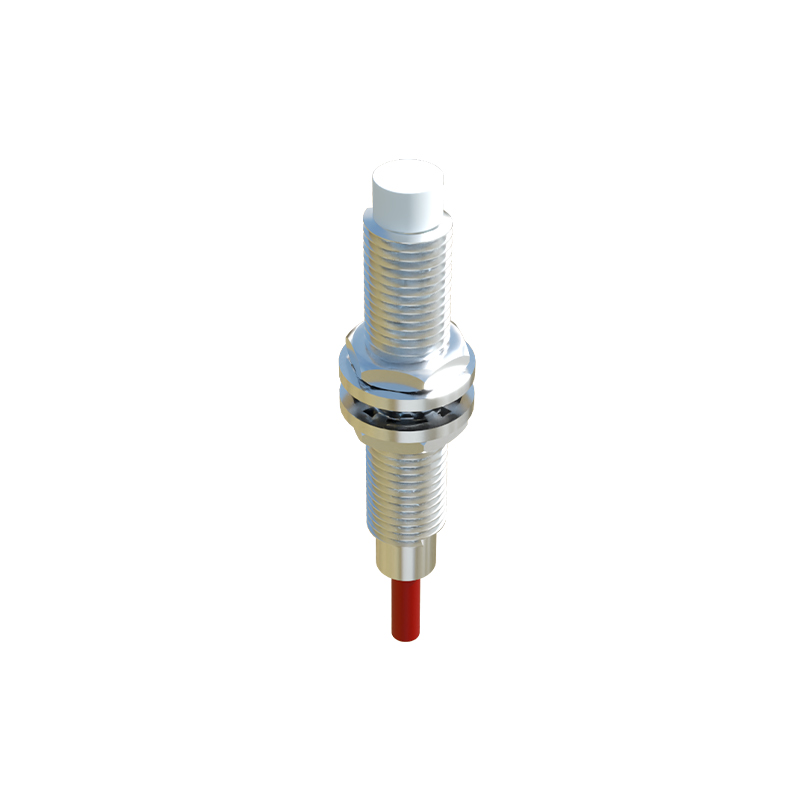
Proximity sensors operate based on different principles to suit diverse industrial needs. Inductive sensors are ideal for detecting metallic objects, commonly used in machinery and assembly lines for position monitoring. Capacitive sensors can detect both metallic and non-metallic materials, making them suitable for liquid level sensing or plastic handling. Ultrasonic sensors offer long-range detection capabilities, often applied in material handling and obstacle avoidance systems. Photoelectric sensors use light beams to sense objects, excelling in packaging and sorting applications. Each technology addresses specific challenges, such as environmental interference or target material variability, ensuring that industries can implement tailored solutions for automation tasks.
Top Global Suppliers of Proximity Sensors
Several companies lead the market in providing high-performance proximity sensors. Siemens AG, a German multinational, offers a comprehensive range of inductive and ultrasonic sensors known for durability and precision in industrial settings. Omron Corporation, based in Japan, specializes in compact and versatile sensors with advanced features like noise immunity and easy installation. Pepperl+Fuchs, another German firm, is renowned for its robust sensor designs suitable for explosive or corrosive environments. In the United States, Rockwell Automation provides integrated sensor solutions that seamlessly connect with control systems for enhanced data analytics. These suppliers invest heavily in research and development to innovate products that meet evolving industry standards, such as IoT connectivity and energy efficiency.
Factors to Consider When Choosing a Supplier
Selecting the right proximity sensor supplier involves evaluating multiple criteria to ensure compatibility with operational requirements. Technical specifications, such as sensing distance, response time, and environmental ratings (e.g., IP67 for dust and water resistance), must align with application needs. Suppliers should offer reliable customer support, including technical assistance and warranty services, to address potential issues promptly. Cost-effectiveness is also crucial, balancing initial investment with long-term maintenance and performance benefits. Additionally, companies should assess a supplier's industry reputation, certification compliance (e.g., ISO standards), and ability to provide customized solutions for unique automation challenges. By prioritizing these factors, businesses can establish partnerships that enhance productivity and reduce operational risks.
Future Trends in Proximity Sensor Supply
The proximity sensor market is evolving with advancements in Industry 4.0 and digital transformation. Suppliers are increasingly integrating smart features, such as wireless connectivity and self-diagnostic capabilities, enabling real-time monitoring and predictive maintenance. Miniaturization of sensors allows for installation in space-constrained applications, while enhanced materials improve resistance to extreme temperatures and chemicals. Furthermore, the rise of collaborative robotics (cobots) and autonomous systems drives demand for sensors with higher accuracy and faster response times. Leading suppliers are focusing on sustainability, developing energy-efficient models and eco-friendly manufacturing processes. As artificial intelligence and machine learning become more prevalent, proximity sensors will play a pivotal role in creating adaptive, intelligent automation networks that optimize industrial workflows.
Conclusion and Recommendations
In summary, proximity sensors are indispensable for modern industrial automation, and partnering with a reputable supplier is key to leveraging their full potential. Companies should prioritize suppliers that offer a diverse product portfolio, robust technical support, and innovation aligned with future trends. By conducting thorough research and testing, businesses can select sensors that enhance operational efficiency, safety, and scalability. As technology continues to advance, staying informed about market developments and supplier offerings will ensure sustained competitiveness in an increasingly automated world. Investing in quality proximity sensors from trusted providers ultimately contributes to long-term success and growth in industrial applications.