Introduction to Semiconductor Proximity Sensors
Semiconductor proximity sensors, utilizing technologies like Hall-effect, magnetoresistive, or capacitive sensing, are fundamental components in modern automation and control systems. Their ability to detect the presence or absence of an object without physical contact makes them indispensable in industries ranging from automotive manufacturing to consumer electronics. The core value proposition lies in their reliability, precision, and longevity. When discussing factory prices, it's crucial to understand that these are the baseline costs set by the sensor manufacturer before additional markups from distributors, integrators, or retailers. This price is intrinsically linked to the bill of materials (BOM), production scale, and the specific technological implementation.
Key Factors Influencing Factory Pricing
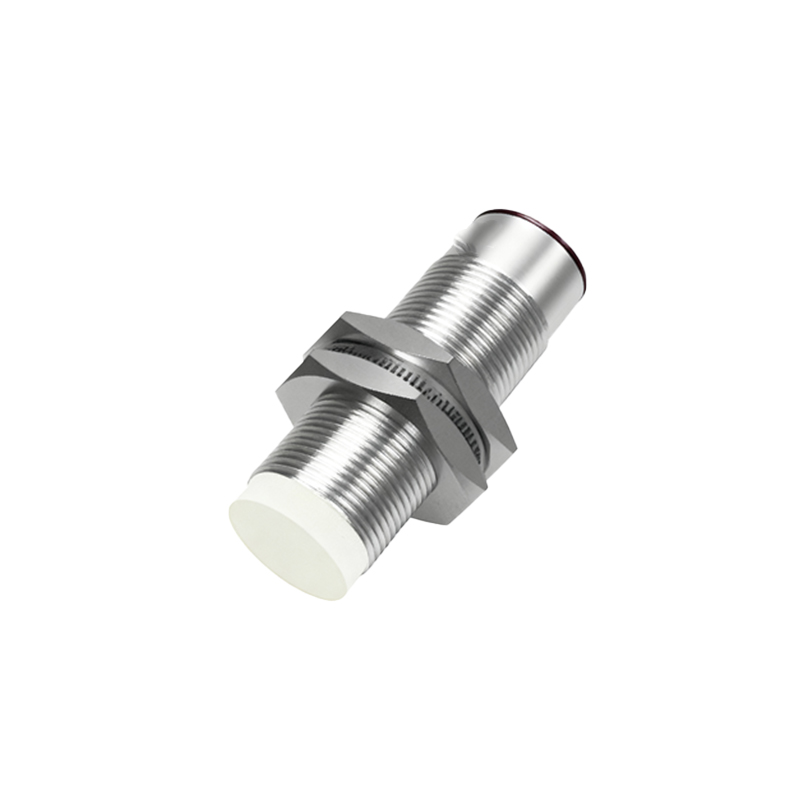
Several critical elements directly determine the factory price of a semiconductor proximity sensor. The sensing technology itself is a primary driver; a complex, high-precision Hall-effect sensor with integrated signal conditioning will command a higher price than a basic inductive model. The performance specifications, including sensing range, response time, operating temperature range, and protection ratings (like IP67), significantly impact cost. Material quality, such as the grade of the semiconductor chip, housing material (e.g., stainless steel vs. PBT plastic), and connector type, are direct cost factors. Additionally, economies of scale play a massive role; large-volume orders for standardized sensors drastically reduce the per-unit factory price compared to small batches of customized solutions.
Cost Breakdown and Manufacturing Economics
A typical factory price structure encompasses several layers. The semiconductor IC or sensing element is often the single most expensive component, its cost influenced by wafer size, process node, and packaging. The surrounding circuitry, including resistors, capacitors, and output transistors, adds to the BOM. Assembly, testing, and calibration constitute a significant portion of the non-material costs. Automated SMT (Surface-Mount Technology) lines can reduce labor costs but require high capital investment. Manufacturers also factor in R&D amortization, overhead, and a target profit margin. Customization requests, such as special cable lengths, connectors, or output configurations (NPN/PNP, analog, IO-Link), will invariably increase the base factory price.
Market Trends Impacting Price Dynamics
The global market for semiconductor proximity sensors is subject to dynamic trends that influence factory pricing. The ongoing integration of smart features and Industrial IoT (IIoT) capabilities, such as IO-Link communication and condition monitoring, adds functionality but also cost, potentially raising prices for advanced models. Conversely, intense competition, especially from manufacturers in Asia, exerts downward pressure on prices for standard sensor variants. The volatility in the global semiconductor supply chain directly affects the cost and availability of key chips, leading to price fluctuations. Furthermore, the rising demand from electric vehicle production and renewable energy sectors is creating new volume opportunities that could lead to more stable or even reduced prices for certain sensor families through scaled manufacturing.
Price Comparison Across Sensor Types and Brands
Factory prices vary considerably across different sensor types and brand tiers. Basic, non-amplified inductive or capacitive sensors from volume manufacturers may have factory prices in the range of a few dollars per unit in large quantities. In contrast, highly specialized, long-range, or extremely ruggedized sensors from premium European or Japanese brands can have factory prices an order of magnitude higher. It's essential for buyers to compare not just the sticker price but the total cost of ownership, which includes reliability, mean time between failures (MTBF), and compatibility with existing systems. Generic or "white-label" sensors often offer lower factory prices but may come with compromises in consistency or technical support.
Strategies for Optimizing Procurement Costs
OEMs and system integrators can employ several strategies to secure favorable factory prices. Consolidating procurement to a limited number of preferred suppliers can leverage volume discounts. Considering standardized, catalog sensor models instead of fully custom designs avoids non-recurring engineering (NRE) charges. Engaging in long-term supply agreements or blanket purchase orders provides price stability and guarantees supply. Some buyers opt for modular sensor designs where a standard sensing head can be paired with different amplifier modules, offering flexibility without full customization costs. Finally, a clear understanding of the actual required specifications—avoiding over-specification—is one of the most effective ways to control the factory price point.
Future Outlook on Pricing and Technology
Looking ahead, the factory price trajectory for semiconductor proximity sensors is likely to be bifurcated. For standard, discrete sensors, prices are expected to remain competitive or gradually decline due to manufacturing efficiencies and competition, barring major supply chain disruptions. For smart, networked sensors with advanced diagnostics and data capabilities, prices may hold steady or increase slightly as value-added features justify the cost. Innovations in semiconductor