In today's rapidly evolving industrial and consumer electronics landscape, the demand for efficient, reliable, and environmentally conscious components is at an all-time high. Among these, green proximity sensors have emerged as a critical technology. Understanding the cost factors associated with these sensors is essential for engineers, procurement specialists, and business leaders making informed decisions. This analysis delves into the key elements that influence pricing and explores the broader market context.
The term "green" in proximity sensors typically refers to devices designed with environmental considerations in mind. This can encompass several attributes: energy efficiency, leading to lower power consumption over their lifecycle; the use of materials with lower environmental impact; compliance with regulations like RoHS (Restriction of Hazardous Substances); and often, enhanced durability that reduces replacement frequency and waste. It's crucial to note that "green" features often add value but can also introduce specific cost drivers.
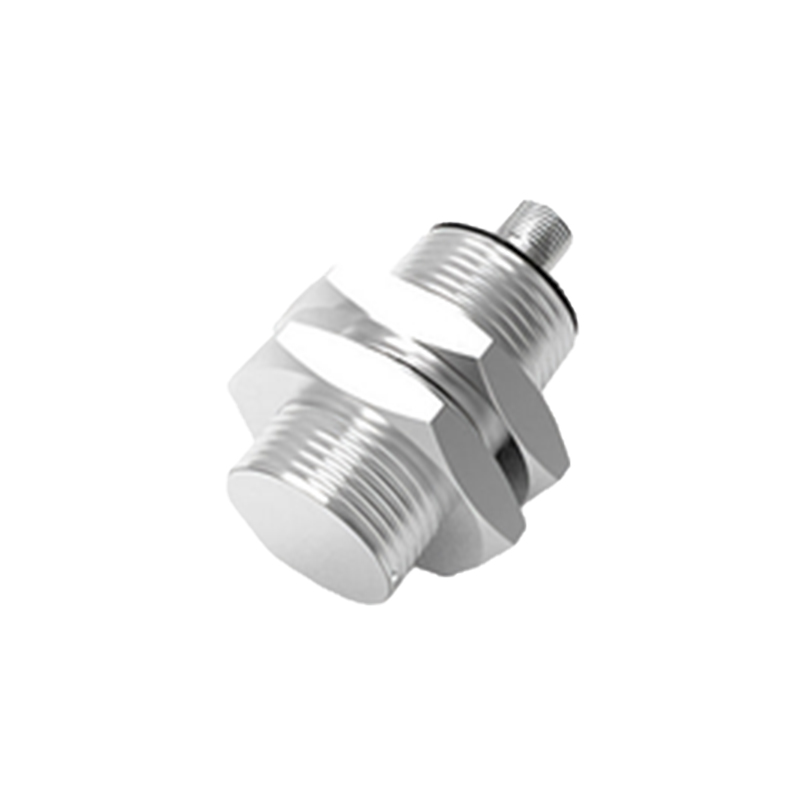
The cost structure of a green proximity sensor is multifaceted. At the core is the sensor technology itself. Inductive, capacitive, and photoelectric (optical) sensors are common, each with different material and manufacturing complexities. Inductive sensors, for detecting metals, might use specialized coils and ferrite cores. Photoelectric sensors, which use light beams, require precise LEDs or laser diodes and receiving elements. Integrating energy-saving features, such as low-power circuitry, sleep modes, or efficient signal processing algorithms, can increase initial R&D and component costs.
Material selection is a significant factor. Sourcing lead-free solders, halogen-free plastics, or recycled materials to meet environmental standards can be more expensive than conventional alternatives. However, economies of scale are gradually mitigating this premium as demand grows. The manufacturing process also impacts cost. Precision assembly, calibration for high accuracy, and rigorous testing to ensure reliability and long life all contribute to the final price. A sensor built to last 10 years under harsh conditions will inherently cost more than a standard-duty variant.
The price range for industrial-grade green proximity sensors is broad. Basic, standardized models might start from $15 to $50 per unit. Mid-range sensors with enhanced features like longer sensing ranges, higher ingress protection (IP) ratings, advanced diagnostics, or digital communication interfaces (IO-Link, for instance) can range from $50 to $150. High-end, specialized sensors for extreme environments, with exceptional accuracy or custom form factors, can command prices from $150 to over $500. It's vital to consider the total cost of ownership. A slightly more expensive green sensor that reduces energy bills by 20% and requires no replacement for a decade often proves far more economical than a cheaper, less efficient alternative.
Market trends are powerfully shaping costs. The push for Industry 4.0 and the Industrial Internet of Things (IIoT) is driving demand for smart, connected sensors. This integration adds cost for communication chips and software but creates value through data analytics and predictive maintenance. Global supply chain dynamics for semiconductors and rare-earth elements directly affect component availability and price volatility. Furthermore, increasing governmental and corporate sustainability mandates are accelerating adoption, fostering competition, and ultimately putting downward pressure on prices as production volumes increase.
When evaluating cost, buyers should look beyond the unit price. Key considerations include energy consumption specifications (in watts), expected operational lifespan, mean time between failures (MTBF), compliance certifications (RoHS, REACH), and the supplier's reputation for quality and support. A thorough cost-benefit analysis should factor in potential savings from reduced energy usage, lower maintenance downtime, and compliance with environmental regulations, which might avoid future fines or enhance brand value.
In conclusion, the cost of a green proximity sensor is a reflection of its technology, materials, manufacturing quality, and embedded intelligence. While the initial investment may be higher than for conventional sensors, the long-term economic and environmental benefits are compelling drivers for adoption. As technology advances and market competition intensifies, the price-performance ratio of these eco-efficient sensors is expected to improve steadily, making them an increasingly standard choice for forward-thinking applications across automation, automotive, consumer electronics, and smart infrastructure.