Introduction to Photoelectric Sensing Technology
Photoelectric sensors are indispensable components in modern industrial automation, packaging, material handling, and safety systems. These devices operate on a simple yet powerful principle: they emit a beam of light (visible, infrared, or laser) and detect changes in the received light signal caused by the presence, absence, or characteristics of a target object. Small photoelectric sensors, in particular, have gained immense popularity due to their compact size, high precision, and versatility. They are designed to fit into tight spaces where traditional limit switches or larger sensors cannot, enabling sophisticated sensing solutions in increasingly miniaturized machinery and equipment. Their ability to perform non-contact detection makes them ideal for applications involving fragile, hot, or fast-moving objects, where physical contact could cause damage or wear.
Core Operating Principles and Sensing Modes
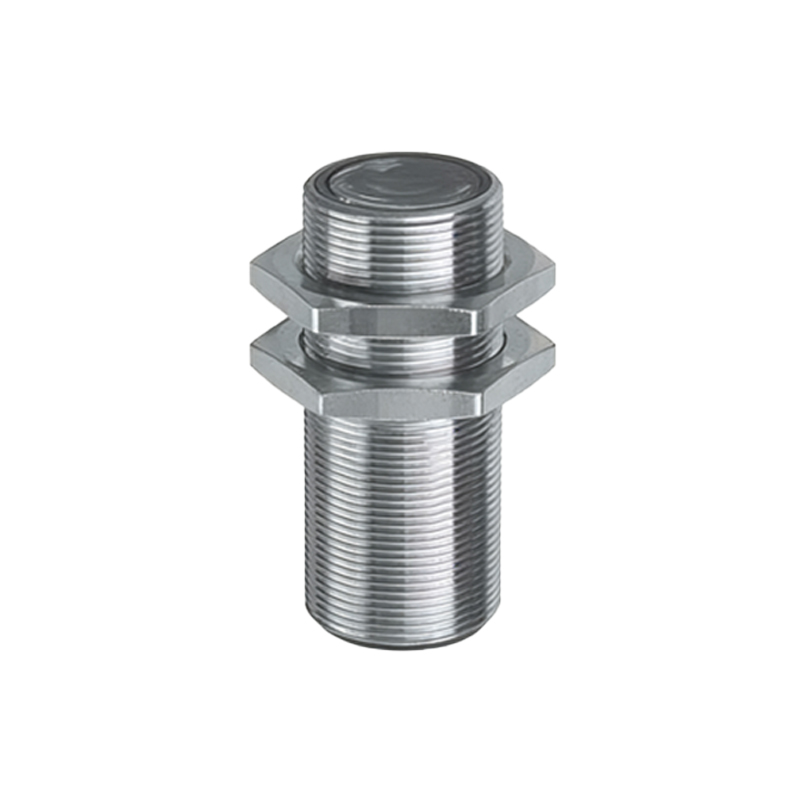
The functionality of small photoelectric sensors is defined by their sensing mode, which dictates how the emitted light interacts with the target. The three primary modes are through-beam, retro-reflective, and diffuse (proximity). Through-beam sensors consist of separate, opposing emitter and receiver units. The object is detected when it interrupts the light beam traveling from the emitter to the receiver. This mode offers the longest sensing range and highest reliability, as it is largely immune to target color, texture, or reflectivity. Retro-reflective sensors house both emitter and receiver in a single housing. They rely on a reflector (corner-cube prism) placed opposite the sensor to bounce the light beam back. Detection occurs when an object breaks this reflected beam. Diffuse sensors also have a combined emitter and receiver, but they detect the target based on the light scattered (diffused) back from the object's surface itself. This mode is simpler to install as no separate reflector is needed, but sensing distance and performance can be influenced by the target's color and surface finish.
Key Types of Small Photoelectric Sensors
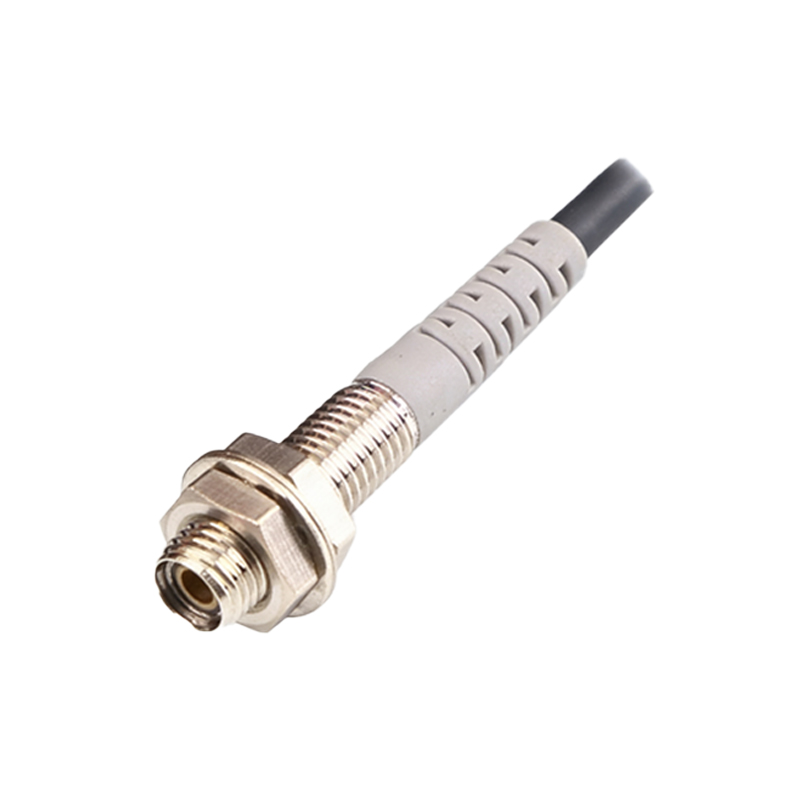
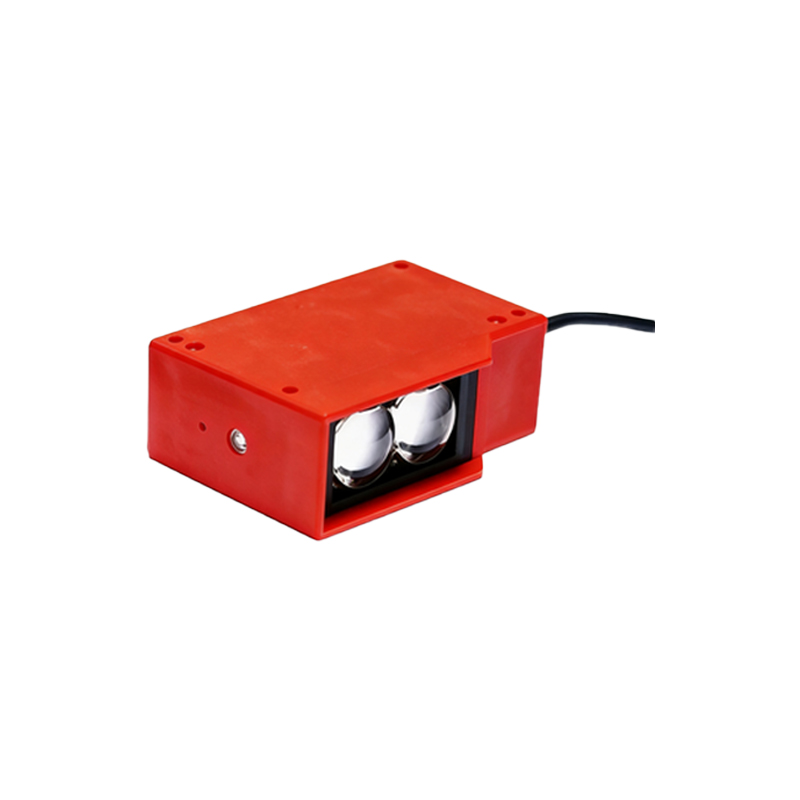
Several specialized types of small photoelectric sensors cater to specific application challenges. Background Suppression (BGS) sensors are a sophisticated type of diffuse sensor. They use triangulation principles to detect objects only within a precise, predefined sensing field, effectively ignoring objects or surfaces beyond that set distance. This is crucial for detecting objects on a conveyor belt while ignoring the belt itself or a background wall. Contrast sensors are designed to detect differences in contrast, color, or luminance between a mark and its background, making them perfect for label detection and registration. Color sensors differentiate between colors by analyzing the reflected light's RGB components. Fiber optic sensors represent the ultimate in miniaturization, where the sensing point is a tiny fiber optic cable connected to an amplifier unit. The small sensing head can be threaded into extremely confined spaces, is immune to electrical noise, and can withstand high temperatures or corrosive environments at the point of detection.
Critical Selection Criteria for Applications
Selecting the right small photoelectric sensor requires careful consideration of multiple parameters. Sensing range is fundamental; it must accommodate the required working distance. For diffuse sensors, the effective range can vary significantly with the target's reflectivity, often specified using a standard white test card. Response time, the speed at which the sensor can detect a change and switch its output, is vital for high-speed production lines. Environmental factors are paramount. Ingress Protection (IP) ratings (e.g., IP67) indicate resistance to dust and water. The housing material must withstand washdowns, chemicals, or UV exposure if used outdoors. The light source—typically red LED, infrared LED, or laser diode—affects performance; laser sensors provide a precise, collimated beam for small part detection or precise positioning. Finally, the output type (PNP/NPN transistor, analog, or IO-Link digital communication) must be compatible with the controller (PLC) being used.
Common Applications Across Industries
The applications for small photoelectric sensors are vast and cross-industry. In packaging machinery, they count bottles, verify cap presence, and detect label positions. On assembly lines, they confirm part presence, check for correct orientation, and monitor fill levels in transparent containers. In material handling, they provide object detection for sortation systems, jam detection on conveyors, and pallet positioning. Miniature fiber optic sensors are extensively used in semiconductor and electronics manufacturing for wafer handling, component placement verification, and lead frame inspection. Safety applications include presence sensing in guarded areas and edge detection on automated guided vehicles (AGVs). Their small form factor allows for integration directly into robotic end-effectors for precise pick-and-place guidance.
Installation, Alignment, and Troubleshooting Tips
Proper installation is key to reliable operation. Ensure the sensor is securely mounted to minimize vibration-induced misalignment. For through-beam and retro-reflective types, precise alignment of the emitter with the receiver or reflector is critical; many sensors feature built-in alignment indicators (LEDs) to assist. Avoid optical interference by keeping the lens clean and free from obstructions. Be mindful of environmental light sources (sunlight, high-bay lighting) that could saturate the receiver; using modulated (pulsating) light sensors helps mitigate this issue. Common problems include false triggers or failure to detect. Troubleshooting should start with verifying power and connections, checking for misalignment, cleaning the lens, and confirming that the target object is within the specified sensing range and is large/reflective enough to trigger the sensor reliably. Understanding the sensor's indicator lights is the first step in any diagnostic procedure.