Introduction to Photoelectric Sensor Cable Length
Photoelectric sensors are widely used in industrial automation for detecting objects, measuring distances, and ensuring safety. A common question among engineers and technicians is: how far can the cables of these sensors be extended without compromising performance? The answer depends on several factors, including sensor type, cable specifications, environmental conditions, and signal integrity requirements. Typically, photoelectric sensor cables can be extended from a few meters to over 100 meters, but practical limits must be considered to avoid issues like voltage drop, signal attenuation, and electromagnetic interference. Understanding these constraints is crucial for designing reliable systems in applications such as conveyor belts, packaging machines, and robotic arms.
Factors Influencing Maximum Cable Length
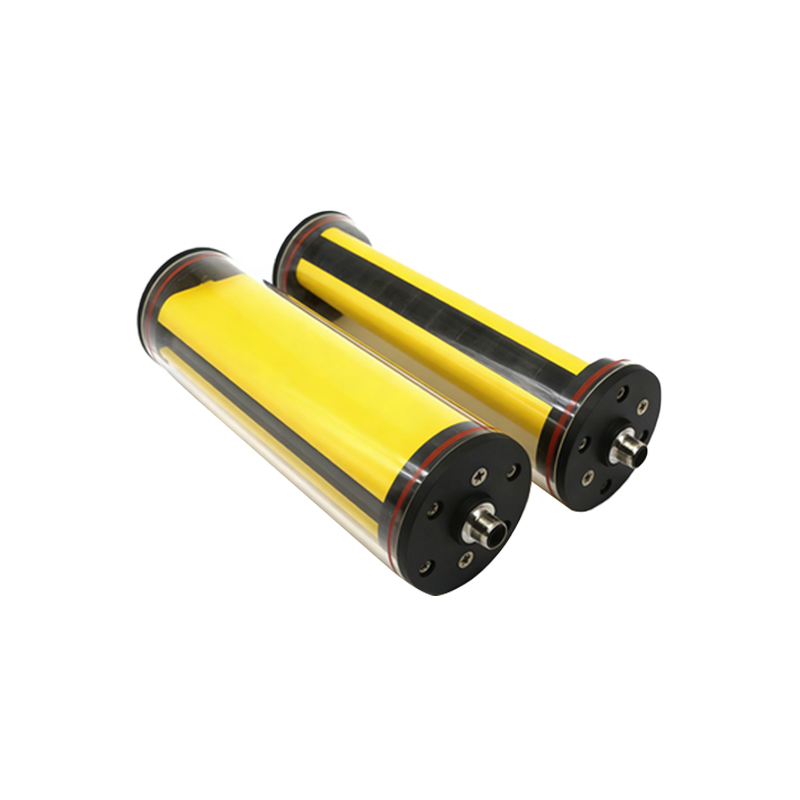
The maximum allowable cable length for photoelectric sensors is primarily determined by electrical and environmental factors. Key considerations include the sensor's output type (e.g., analog, digital, or IO-Link), cable material and gauge, power supply voltage, and load resistance. For instance, analog sensors with voltage outputs may experience significant signal degradation over long distances due to resistance in the wires, leading to inaccurate readings. Digital sensors, such as those with NPN or PNP outputs, are less susceptible but still face limitations from voltage drop. Using thicker cables with lower resistance can extend the range, but costs and flexibility must be balanced. Additionally, environmental factors like temperature, humidity, and exposure to chemicals can affect cable insulation and durability, further restricting length in harsh conditions.
Calculating Voltage Drop and Signal Loss
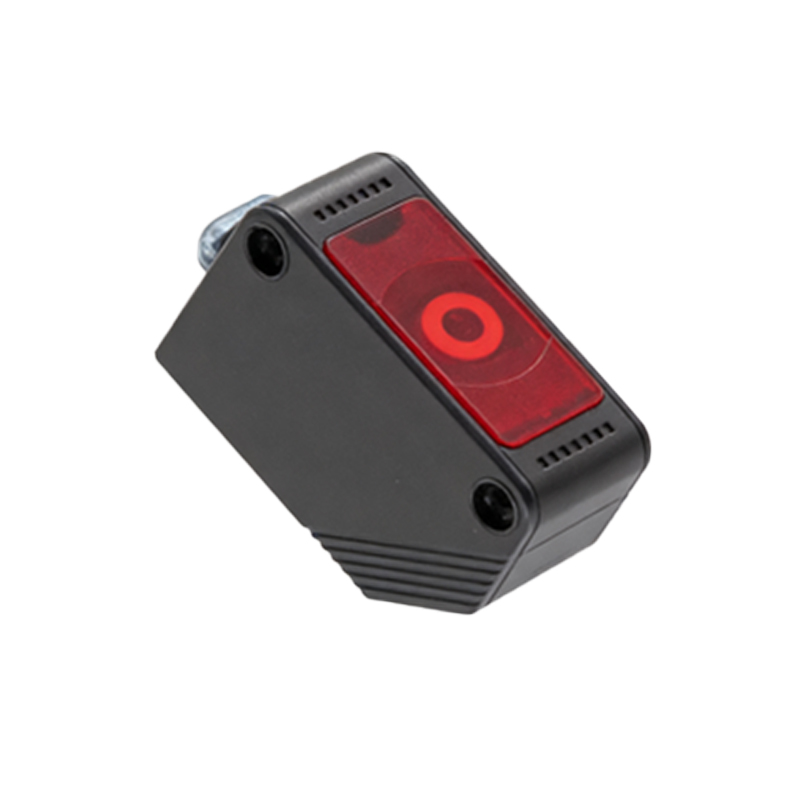
To determine the optimal cable length, engineers must calculate voltage drop and signal loss. Voltage drop occurs when the resistance in the cable reduces the voltage reaching the sensor or controller, potentially causing malfunctions. The formula for voltage drop is V_drop = I × R, where I is the current and R is the cable resistance per unit length. For example, a 24V DC sensor with a 0.5A current and a cable resistance of 0.1 ohms per meter might allow up to 50 meters before the drop exceeds acceptable limits (e.g., below 22V). Signal loss, especially in analog or high-frequency sensors, can be mitigated by using shielded cables to reduce electromagnetic interference. Manufacturers often provide charts or software tools to estimate maximum lengths based on specific models and conditions.
Best Practices for Extending Sensor Cables
When extending photoelectric sensor cables, follow best practices to ensure reliability. First, select high-quality cables with appropriate shielding and gauge—typically, 18 AWG or thicker for longer runs. Use connectors and junction boxes that are rated for the environment, such as IP67 for wet areas. Avoid running sensor cables parallel to power lines to minimize interference; instead, cross them at right angles. For distances beyond 100 meters, consider using signal amplifiers, repeaters, or converting to protocols like Ethernet/IP or PROFINET, which support longer ranges with less degradation. Regular testing with multimeters or oscilloscopes can help verify signal integrity after installation. Additionally, consult the sensor's datasheet for manufacturer-recommended maximum lengths and guidelines.
Case Studies and Real-World Applications
In real-world scenarios, cable length requirements vary. For example, in a large warehouse automation system, photoelectric sensors might need to span 80 meters to monitor inventory on racks. By using 16 AWG shielded cables and 24V DC power, engineers successfully maintained signal accuracy without amplifiers. Conversely, in a high-speed bottling plant, analog sensors for liquid level detection were limited to 20 meters due to sensitivity to noise; switching to digital sensors with fiber-optic extensions solved this issue. These cases highlight the importance of tailoring solutions to specific needs. Always factor in safety margins and future expansions when planning cable runs to avoid costly retrofits.
Conclusion and Recommendations
In summary, the maximum cable length for photoelectric sensors depends on a balance of technical and practical factors. While general guidelines suggest limits of 50-100 meters for standard setups, exact lengths should be calculated based on voltage drop, signal type, and environment. To optimize performance, use quality components, follow installation best practices, and leverage manufacturer resources. For extreme distances, explore advanced options like network-based sensors or wireless alternatives. By addressing these aspects, engineers can design robust systems that enhance efficiency and reduce downtime in industrial applications.