In the world of automation and smart technology, proximity sensors are the silent, unseen workhorses. These devices detect the presence or absence of an object within a specific range without any physical contact. Their ability to provide reliable, non-contact sensing makes them indispensable in countless industrial, commercial, and consumer applications. From ensuring safety on a factory floor to enabling the screen on your smartphone to turn off during a call, proximity sensors are fundamental components of modern engineering.
At its core, a proximity sensor works by emitting a field or a beam of electromagnetic radiation, such as infrared light, or by creating an electromagnetic field. When an object enters this field, it causes a change in the signal. The sensor's circuitry detects this change and converts it into an electrical signal that can be used to trigger an action, such as stopping a machine, counting items, or activating a light. The key advantage is the lack of physical wear and tear, leading to higher reliability and longer life compared to mechanical switches.
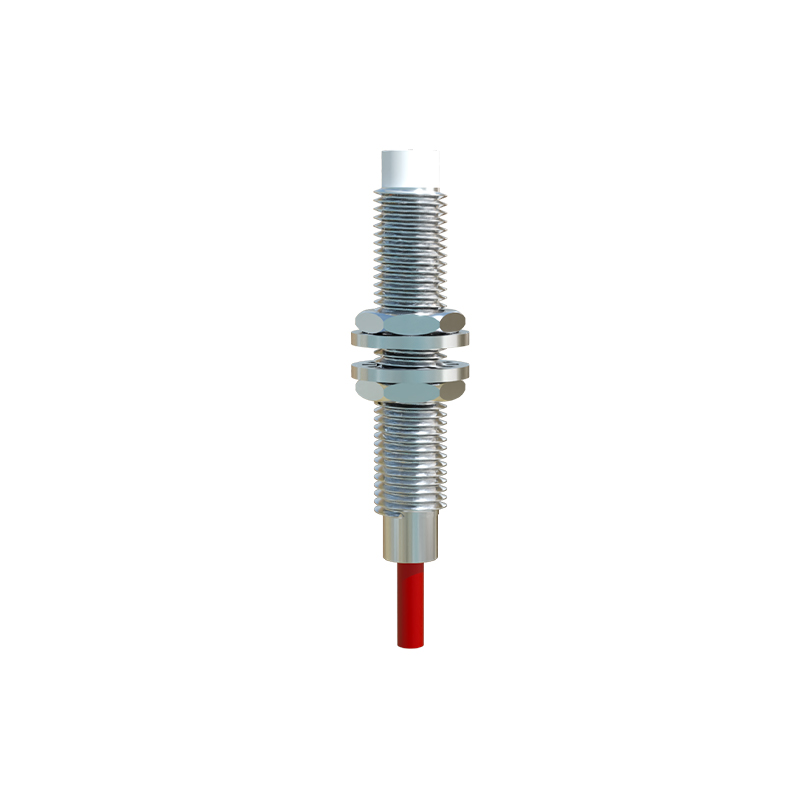
There are several primary types of proximity sensors, each suited to different materials and environments. Inductive proximity sensors are among the most common in industrial settings. They generate an electromagnetic field and detect only metallic objects. They are incredibly robust, resistant to dirt, dust, and moisture, making them perfect for harsh manufacturing environments where they are used for tasks like part detection on conveyor belts or determining the position of a metal component.
Capacitive proximity sensors, on the other hand, can detect both metallic and non-metallic materials, including liquids, plastics, and wood. They work by sensing changes in capacitance. When an object nears the sensor's face, it alters the capacitance of the circuit, triggering detection. This makes them ideal for applications like liquid level sensing in tanks, detecting filled packages on a production line, or touch-sensitive controls.
Photoelectric sensors use light, typically infrared or laser, to detect objects. They consist of a light emitter and a receiver. When an object interrupts or reflects the light beam, the sensor activates. These are excellent for long-range detection and can sense virtually any material. They are widely used in packaging, material handling, and security systems. Ultrasonic sensors operate on a similar principle but use sound waves instead of light. They measure the time it takes for an ultrasonic pulse to bounce back from an object, making them effective for distance measurement and detecting transparent or irregularly shaped objects where photoelectric sensors might struggle.
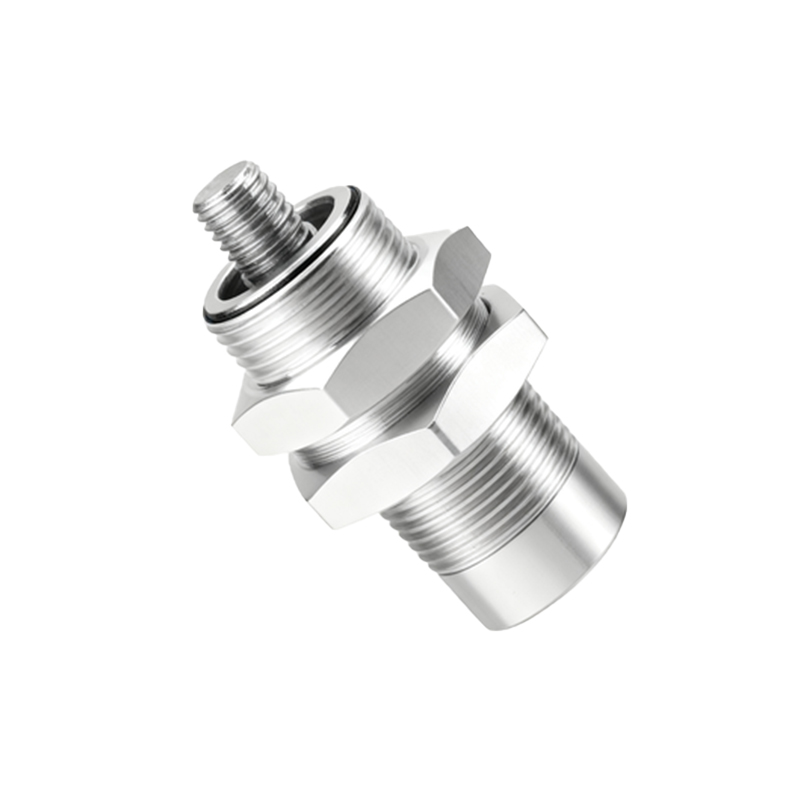
The applications of proximity sensors are vast and growing. In automotive manufacturing, they ensure precise positioning of robotic arms for welding and assembly. In consumer electronics, the small infrared proximity sensor in your phone saves battery life and prevents accidental screen touches. In the realm of home automation, they are used in automatic faucets, soap dispensers, and security lighting. Furthermore, they are critical for safety, serving as non-contact emergency stop devices or as part of machine guarding systems to protect operators.
When selecting a proximity sensor for an application, engineers must consider several factors: the material of the target object, the required sensing distance, the environmental conditions (temperature, presence of contaminants), the required output type (digital or analog), and the response speed. Proper selection ensures optimal performance and system reliability.
As technology advances, proximity sensors are becoming smarter, smaller, and more integrated. The rise of the Industrial Internet of Things (IIoT) sees sensors equipped with networking capabilities, providing not just detection data but also diagnostic information about their own health and performance. This predictive maintenance capability is revolutionizing industrial operations.
In conclusion, proximity sensors are a foundational technology enabling automation, efficiency, and safety across diverse sectors. Their non-contact operation principle, variety of types, and adaptability to challenging conditions make them a key component in the ongoing evolution of smart systems and intelligent machines. Understanding their function and capabilities is essential for anyone involved in design, maintenance, or innovation within the technological landscape.