Proximity sensors are fundamental components in modern industrial automation, offering non-contact detection of metallic or, in some cases, non-metallic objects. Their reliability is paramount for ensuring smooth production lines, machine safety, and process control. However, a sensor's performance is not solely determined by its internal specifications. The environment immediately surrounding the installation point—the "sensor vicinity"—is critically important. Proper consideration of this area prevents malfunctions, extends sensor life, and guarantees consistent operation.
The primary rule for proximity sensor installation is maintaining the correct sensing distance. Every sensor has a rated operating distance (Sn). This is the nominal distance at which a standard target will reliably trigger the sensor. A common mistake is installing the sensor exactly at this distance. For reliable operation, it is recommended to use 70% to 80% of the rated sensing distance. This margin accounts for factors like target material variations, temperature fluctuations, and voltage tolerances, providing a safety buffer against false triggers or missed detections.
Beyond the direct sensing axis, the lateral area around the sensor is crucial. Most proximity switch datasheets specify a parameter called "non-detection zone" or "side clearance." This is the required empty space around the sensing face where no metal or other interfering material should be present. Placing mounting brackets, machine frames, or even conductive paint too close to the sides of the sensor can cause it to activate prematurely or become unstable. Always adhere to the manufacturer's specified side and rear clearances.
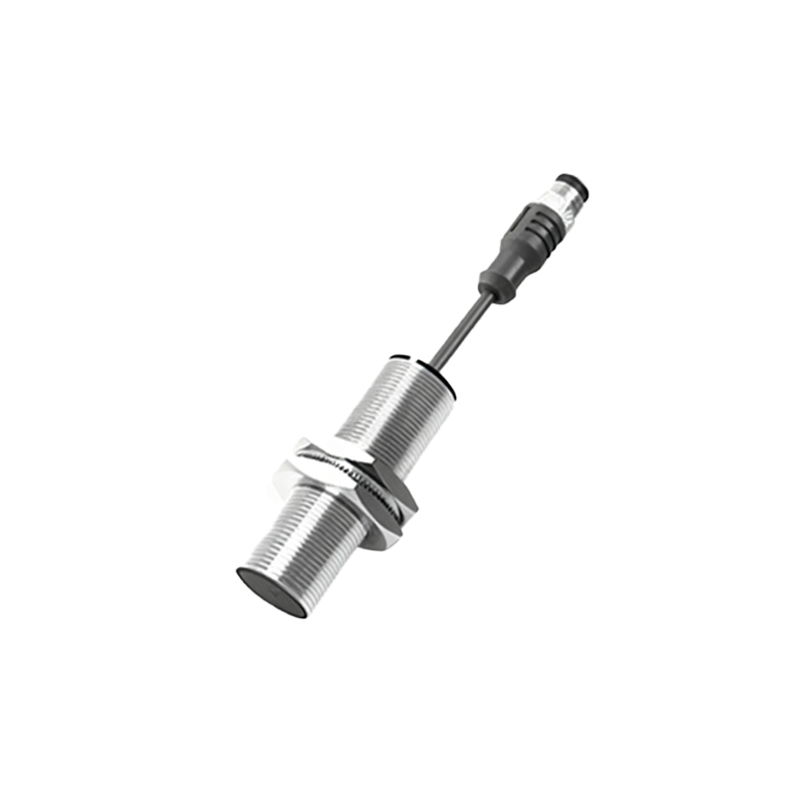
Electrical interference is a major concern in the sensor's vicinity. Proximity sensors, especially inductive types, can be affected by strong electromagnetic fields. Key sources of interference include high-current power cables, frequency inverters, welding equipment, and large motors. To mitigate this, always route sensor cables separately from power lines. If crossing is unavoidable, ensure they cross at a 90-degree angle. Using shielded cables, with the shield properly grounded at the control panel end (not at the sensor end for most DC sensors), is highly effective. In environments with extreme interference, choosing a sensor with built-in noise immunity or a metal housing can be necessary.
The physical environment directly impacts sensor longevity. While many industrial proximity switches are rated IP67 or higher, protecting against dust and water jets, the vicinity must be considered. For example, mounting a sensor where it will be constantly splashed with cutting fluid may eventually compromise the seal. Accumulation of metallic chips or dust on the sensing face can reduce the effective sensing range. In such cases, choosing a flush-mountable sensor (which can be embedded in metal) or adding a protective non-metallic cover can be solutions. Vibration is another factor; ensure the sensor is securely mounted with appropriate hardware to prevent loosening, which could change the sensing gap or damage the connector.
Temperature is a key specification. The sensor's vicinity often has a different ambient temperature than the general plant floor. Consider heat radiated from motors, ovens, or processed materials. Operating a sensor near or above its maximum rated temperature can lead to reduced sensing distance, erratic behavior, or permanent damage. Similarly, in cold environments, condensation can form, potentially causing short circuits. Selecting sensors with appropriate temperature ratings and, if needed, using cooling fins or protective enclosures, is essential.
Finally, consider the target object itself, which enters the sensor's vicinity. The sensor's rated operating distance is typically defined for a standard mild steel square target. If the target is smaller, made of a different metal (like aluminum or copper), or non-metrical (for capacitive sensors), the effective sensing distance will change. Always test with the actual target material and size during commissioning. The approach speed of the target also matters; while fast for human perception, some high-speed applications may require sensors with faster response times to ensure detection.
In summary, optimal proximity sensor performance is achieved not just by selecting the right model, but by meticulously planning its immediate environment. Respecting sensing margins, ensuring physical and electrical clearances, protecting against environmental hazards, and accounting for target characteristics are all practices that transform a simple component into a reliable and durable node within an automated system. A well-considered sensor vicinity minimizes downtime and maintenance, contributing directly to overall operational efficiency.