Introduction to the 674p Sensor Series
The 674p series represents a robust and reliable line of slot type (also known as through-beam) photoelectric sensors designed for industrial automation environments. These sensors operate on the fundamental principle of a transmitter and receiver housed in a single U-shaped body, facing each other across a precise gap or "slot." An object is detected when it interrupts the light beam passing through this slot. The 674p models are engineered for high-speed, non-contact detection of small objects, edges, labels, or the presence of components on assembly lines. Their compact, integrated design eliminates the need for precise alignment of separate units, simplifying installation and ensuring consistent performance even in environments with vibration or minor mounting shifts.
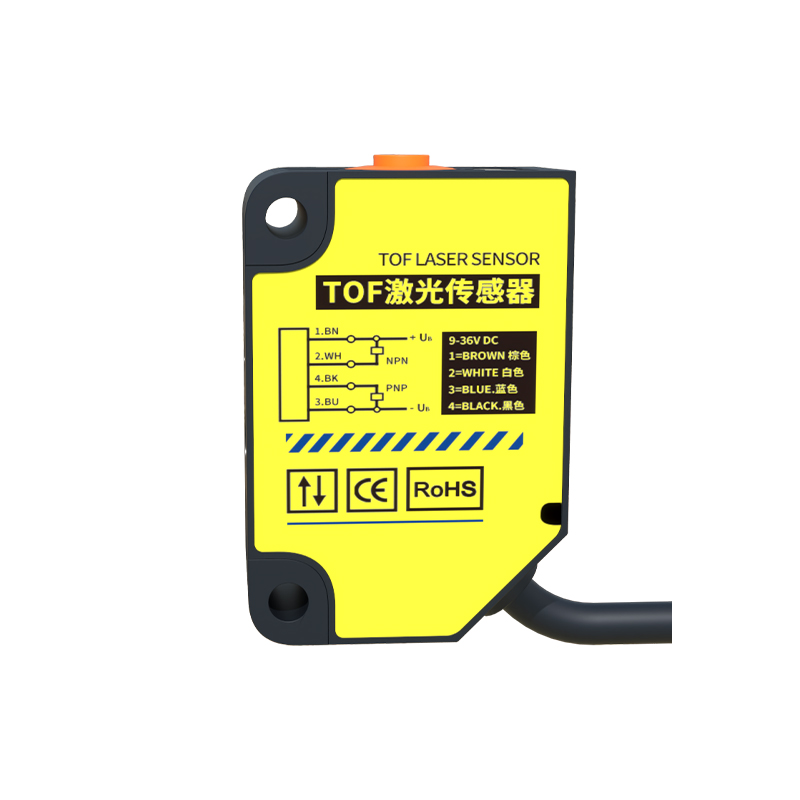
Key Technical Specifications and Features
Typical specifications for a 674p slot sensor include a sensing gap width tailored for specific part detection, often in the range of a few millimeters to several centimeters. They commonly feature a modulated infrared LED light source, which provides immunity to ambient light interference from factory lighting. The output is typically a solid-state NPN or PNP transistor switch, providing a clean, bounce-free signal compatible with PLCs, counters, and other control systems. Key performance features often include a fast response time, enabling detection at high line speeds, and a high switching frequency. Many variants offer a visible red beam indicator for easy alignment and diagnostic purposes. The housing is usually constructed from industrial-grade plastics or metals, providing resistance to dust, moisture, and minor physical impacts.
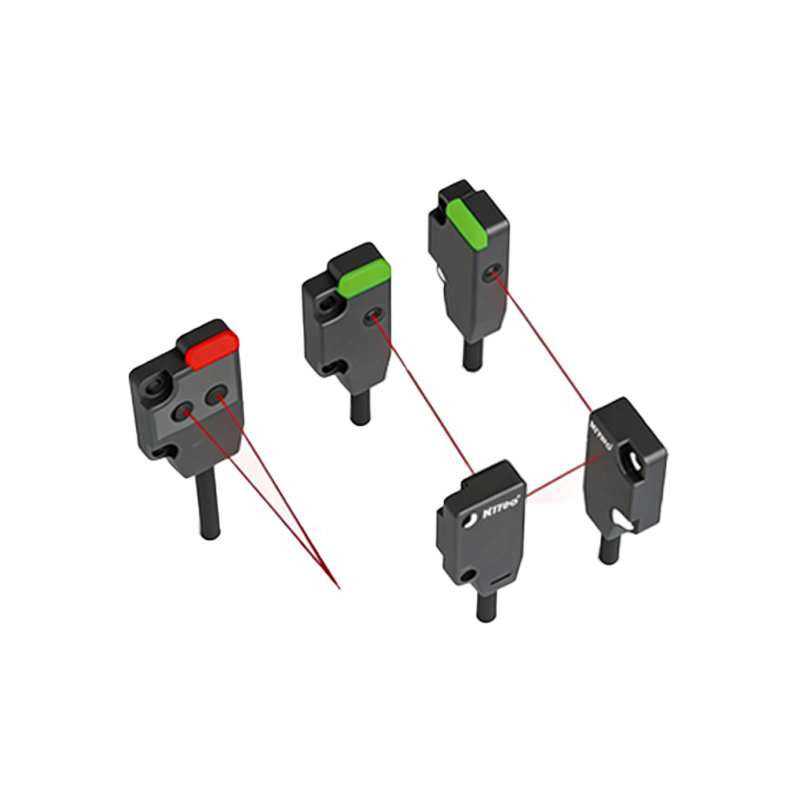
Electrical Interface and Wiring Configuration
The 674p sensor is a three-wire device requiring a DC power supply, commonly 10-30 VDC. The standard wiring configuration involves connecting the brown wire to the positive voltage supply, the blue wire to the common negative or ground, and the black wire as the switched output signal. The output type (sourcing or sinking) must be matched to the input module of the controller. Some models may include a teach function or sensitivity adjustment via a potentiometer or push-button, allowing fine-tuning for specific applications or to compensate for optical window contamination. It is critical to consult the specific datasheet for the exact model to ensure proper voltage ratings, output current capacity, and wiring diagrams to prevent damage to the sensor or the connected equipment.
Application Scenarios in Industrial Automation
The primary application of the 674p slot sensor is object detection and counting in constrained spaces. A classic use case is in packaging machinery for detecting the presence of a product carton flap, verifying that a case is properly formed before filling. They are indispensable in printing and labeling systems for detecting the leading or trailing edge of paper, film, or labels, providing precise registration signals for cutting or dispensing. On automated assembly lines, they count small parts like screws, washers, or electronic components passing through chutes or on conveyor belts. Furthermore, they are used for checking the presence of tabs, slots, or specific features on machined parts, ensuring only correctly oriented components proceed to the next stage.
Installation Best Practices and Alignment
Correct installation is paramount for reliable operation. The sensor must be mounted securely to minimize movement. The object to be detected must pass cleanly through the center of the slot, fully interrupting the beam. The sensing object's size must be sufficient to reliably break the beam; for very small objects, a sensor with a narrower slot should be selected. The operating environment should be considered: excessive dust, oil mist, or airborne debris can accumulate on the optical windows, attenuating the light signal. Regular cleaning may be necessary in dirty environments. For alignment, the built-in LED indicator is invaluable. A steady light typically indicates power and beam integrity, while a blinking or off state indicates an object is present or the beam is blocked/misaligned.
Troubleshooting Common Operational Issues
Common issues with slot sensors include false triggers or failure to detect. First, verify the power supply voltage is within the specified range and the wiring is correct. Check for physical obstructions or buildup on the lens. Ensure the target object is of appropriate size, opacity, and passes through the slot correctly. In high-speed applications, verify that the object's transit time is longer than the sensor's response time. Electrical noise from nearby motors or drives can sometimes cause interference; using shielded cables and ensuring proper grounding can mitigate this. If the output LED behaves erratically, it may indicate a failing component or severe environmental contamination. Always cross-reference observed symptoms with the manufacturer's diagnostic guidelines in the manual.
Comparison with Other Sensor Types
The 674p slot sensor offers distinct advantages and limitations compared to other photoelectric modes. Unlike diffuse reflective sensors, it is not affected by the color or reflectivity of the target, providing highly reliable detection for a wide range of materials. Compared to retro-reflective sensors, it does not require a reflector, saving space and cost, and is immune to issues caused by dirty reflectors. However, its main limitation is the requirement for the object to pass physically through the slot, which dictates the maximum object size and constrains mechanical design. For detecting objects outside a confined gap, a separate emitter and receiver pair or a different sensing mode like diffuse or background suppression would be more appropriate.