Introduction to Photoelectric Sensor Nomenclature
In the realm of industrial automation and control systems, photoelectric sensors are indispensable components. However, their naming conventions can be a source of confusion for engineers, technicians, and procurement specialists. A single device might be referred to by multiple names, each highlighting a different aspect of its function, technology, or application. This terminology often stems from the sensor's operating principle, physical form, or specific use case. Understanding these various names is crucial for accurate specification, integration, and troubleshooting within electrical and control panels, production lines, and material handling systems.
Core Names Based on Operating Principle
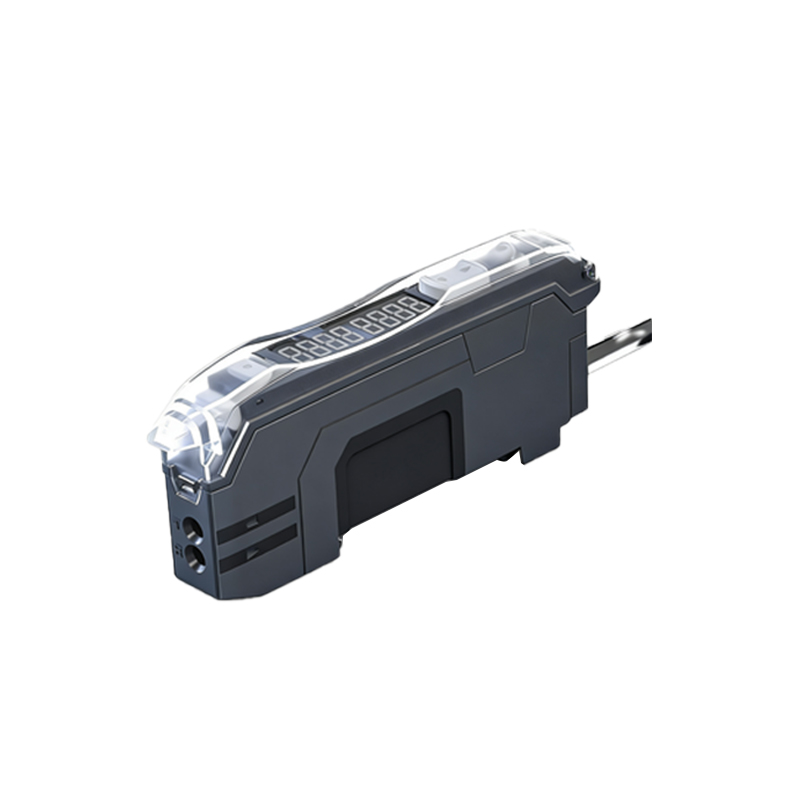
The most fundamental names for these devices are derived from their core technology. The term Photoelectric Sensor is the universal, technical umbrella term. It precisely describes a sensor that detects the presence, absence, or distance of an object using a light transmitter (usually an LED or laser) and a receiver. A closely related and often used synonym is Photo Sensor. In many catalogs and casual conversation, "Photo Sensor" is used interchangeably with "Photoelectric Sensor." Another accurate, though slightly less common, term is Optical Sensor. This name emphasizes the use of light (optics) as the detection medium and can sometimes encompass a broader range of optical devices, but within industrial contexts, it typically points to photoelectric sensors.
Names Describing the Detection Method
A significant portion of the varied terminology arises from the specific method of light beam manipulation and reception. The Through-Beam Sensor, also called a Opposed Mode Sensor, consists of separate transmitter and receiver units. The object is detected when it interrupts the beam between them. In contrast, a Retroreflective Sensor houses both transmitter and receiver in a single housing. It uses a reflector (corner cube reflector) to bounce the beam back. This type is sometimes colloquially called a Reflex Sensor. The Diffuse Reflective Sensor, or Proximity Mode Sensor, detects light reflected directly off the target object itself. A specialized subset is the Background Suppression Sensor, which uses triangulation to detect objects within a precise focal distance while ignoring more distant backgrounds.
Functional and Application-Based Names
Names often evolve to describe the sensor's primary function in an application. A Fiber Optic Sensor is a photoelectric sensor where the light beam is guided through fiber optic cables. This allows the amplifier unit to be mounted remotely from the sensing head, useful in extreme temperatures or tight spaces. Color Mark Sensors are photoelectric sensors finely tuned to detect specific color contrasts or marks on packaging or materials. Luminescence Sensors detect the presence of materials (like certain glues or security marks) that fluoresce under UV light. For distance measurement, the term Optical Distance Sensor or Laser Distance Sensor is frequently used, highlighting the use of a laser diode for high-precision ranging.
Industry-Specific and Colloquial Terms
On the factory floor, shorthand and colloquial terms are prevalent. It is very common to hear engineers refer to them simply as "Photo Eyes" or "Eyes." This term vividly describes their function as the "eyes" of a machine. In conveyor and material handling contexts, a "Break-Beam Sensor" is a standard term for through-beam sensors used to detect package flow. In older documentation or specific regions, you might encounter the term "Photocell." Historically, this referred to a device that generates electricity from light, but in many industrial settings, it is used loosely to mean any photoelectric switch. Understanding these informal names is key for effective cross-team communication and maintenance.
Conclusion: Navigating the Terminology
The diverse lexicon surrounding photoelectric sensors—from the technical "Diffuse Reflective Photoelectric Sensor" to the shop-floor "Photo Eye"—reflects their deep integration into industrial processes. Whether specifying a Through-Beam, Retroreflective, or Fiber Optic unit, clarity in terminology ensures correct selection and avoids operational downtime. A proficient engineer recognizes that all these names—Optical Sensor, Photo Sensor, Break-Beam—ultimately point to the same family of devices that convert light signals into electrical control signals, forming the backbone of modern automated sensing.